Skip to content
Safespace North East specialists
Menu
Hard floor cleaning

Hard Floor Cleaning

Specialist hard floor cleaning for tile, grout and stone floors across the North East, with practical assessment, cleaning, sealing and maintenance advice for homes and businesses.

North East coverage Specialist equipment Fast drying where applicable
Hard Floor Cleaning
Hard floor cleaning starts with assessment of the material, condition, previous products and realistic improvement.
Tile, grout, stone, vinyl and LVT are treated as different surfaces rather than one generic hard-floor problem.
Real hard-floor project examples show tile, grout, quarry tile and slate cleaning work.
Hard floor cleaning

Hard floor cleaning that starts with the floor.

Professional hard floor cleaning for tiled, grouted and stone floors in homes, commercial spaces and public-facing buildings across the North East.

A hard floor can look tired for several different reasons. It may be soil sitting in the grout, residue from cleaning products, a worn sealer, a dull stone finish, traffic build-up, or a floor that belongs under a more specialist vinyl, LVT or resilient-floor process.

Safe Space Cleaning starts by working out which of those problems is in front of us. The aim is not to sell one fixed method. The aim is to recommend the approach that makes sense for the floor, the building and the result the customer is hoping for.
Our view

The material decides the risk.

Ceramic tile, porcelain, grout, limestone, travertine, slate, vinyl and LVT should not be treated as one general category. The material decides the risk, the condition decides the method, and the customer's objective decides whether cleaning alone is enough.

What we look for

How we assess a hard floor.

Before recommending a cleaning method, we separate four things: dirt, residue, wear and damage. Those are not the same problem.

What we'd check first

Similar-looking floors can need different advice.

A dull tiled floor may be covered in residue. A dull stone floor may be etched or worn. A dull vinyl floor may need a resilient-floor process rather than tile-style cleaning. The assessment prevents the wrong solution being sold to the right problem.

  • What the floor is made from.
  • Whether the surface is tile, grout, stone, vinyl, LVT or another resilient material.
  • Whether previous sealers, polishes or cleaning products are present.
  • Whether the issue is soil, residue, staining, wear or surface damage.
  • Whether the floor is domestic, rental, commercial or public-facing.
  • Whether sealing or maintenance advice is needed after cleaning.
  • Whether another specialist route would be more appropriate.
  • Whether the expected result is realistic for the floor condition.

If the floor is dirty, cleaning may make a clear difference. If the floor is coated in residue, the first job is to remove what should not be there. If the floor is worn, cleaning may improve presentation but not rebuild the finish. If the floor is damaged, selling cleaning as restoration would not be honest.

Photos, the age of the floor, room use and what has been used on it often tell us enough to decide whether a hard-floor clean, Vinyl & LVT Cleaning, stone care or another route is the right starting point.

Method selection

Cleaning, sealing or another route?

Professional hard floor cleaning should not be a single fixed process. The method may involve floor identification, dry soil removal, controlled cleaning solution, mechanical agitation, grout line cleaning, rinsing or recovery, drying, inspection and sealing advice where the floor and customer objective justify it. The method should follow the floor, not the other way round.

A practical point

More pressure, stronger chemistry or more product is not automatically better. On some floors, it can create the next maintenance problem. The right approach is the one that suits the material, condition and realistic result.

Stage 1

Identify the floor

We check whether the floor is tile, grout, stone, vinyl, LVT or another material so the cleaning method is chosen around the surface in front of us.

Stage 2

Separate dirt, residue, wear and damage

A floor may be dirty, coated in residue, worn or physically damaged. Those problems need different advice.

Stage 3

Choose a suitable method

The method may involve controlled cleaning solution, agitation, grout work, rinsing, extraction, drying and sealing advice where appropriate.

Stage 4

Clean, review and advise

After cleaning, we explain what has improved, what cannot be changed by cleaning and how to maintain the floor more sensibly.

Where cleaning has limits

When cleaning may not be enough.

Hard floor cleaning has limits, and those limits should be explained calmly.

Cleaning can improve hygiene, appearance and maintainability, but it cannot rebuild damaged materials.

Another approach may be better

Damaged tile, grout or stone

Cracked tiles, loose tiles, missing grout, crumbling grout, deep etching, scratches or badly worn stone may need repair, replacement or specialist stone advice rather than cleaning alone.

Another approach may be better

Vinyl, LVT or wood-floor issues

Lifting vinyl, gouged LVT, failed adhesive or wood flooring that needs sanding should be handled through the right specialist route rather than presented as general hard floor cleaning.

Our view

Honest limits protect the customer.

If a floor is damaged rather than dirty, cleaning may still improve appearance, but it should not be sold as a new-floor result. We would rather explain that before work starts.

Project examples

Real hard floor cleaning proof.

These examples show different hard-floor problems and the judgement behind the work. Each floor needed assessment before deciding whether cleaning, sealing or another route made sense.

Kitchen tile and grout cleaning in Houghton-le-Spring

The problem
Ceramic kitchen tiles and grout lines looked tired despite regular mopping.
What we assessed
The main issue was embedded contamination in the grout and surface build-up on the tiles.
What we recommended
Tile and grout cleaning was a sensible route because the floor was suitable and the problem was contamination rather than damage.
What we did
Professional tile and grout cleaning with agitation and extraction.
The result
The floor had a cleaner, fresher and more even appearance.

This is the kind of floor where cleaning can make routine maintenance feel more worthwhile again.

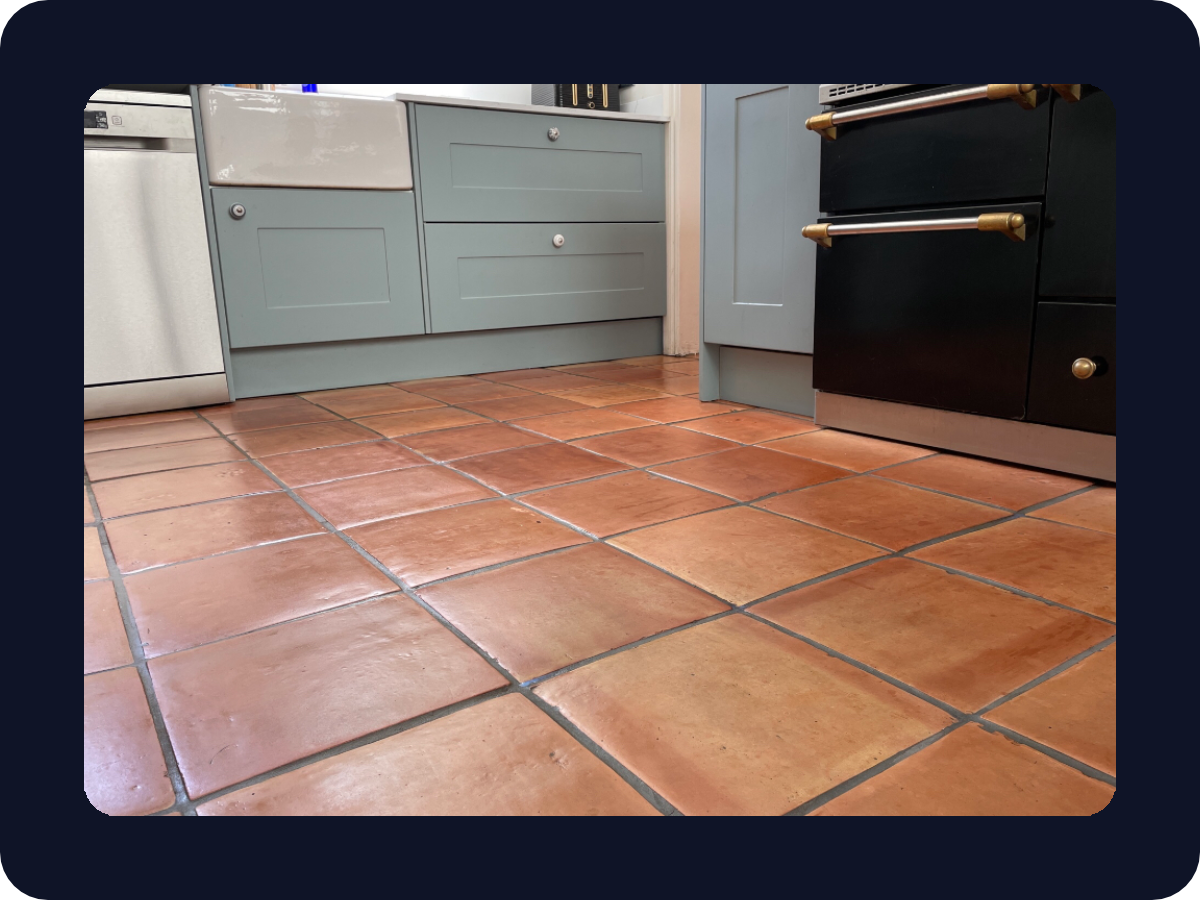
Quarry tile cleaning and sealing in Ryton

The problem
Traditional quarry tiles in a kitchen diner had become dull and affected by grease and general contamination.
What we assessed
The floor needed cleaning first, then time to dry before a suitable satin seal was applied.
What we recommended
Cleaning and sealing made sense because the floor type and condition justified the extra finishing step.
What we did
Specialist tile cleaning, extraction, drying time and satin sealing.
The result
The quarry tiles had a fresher appearance with added protection from the seal.

Sealing should be recommended because the floor needs it, not as an automatic add-on.

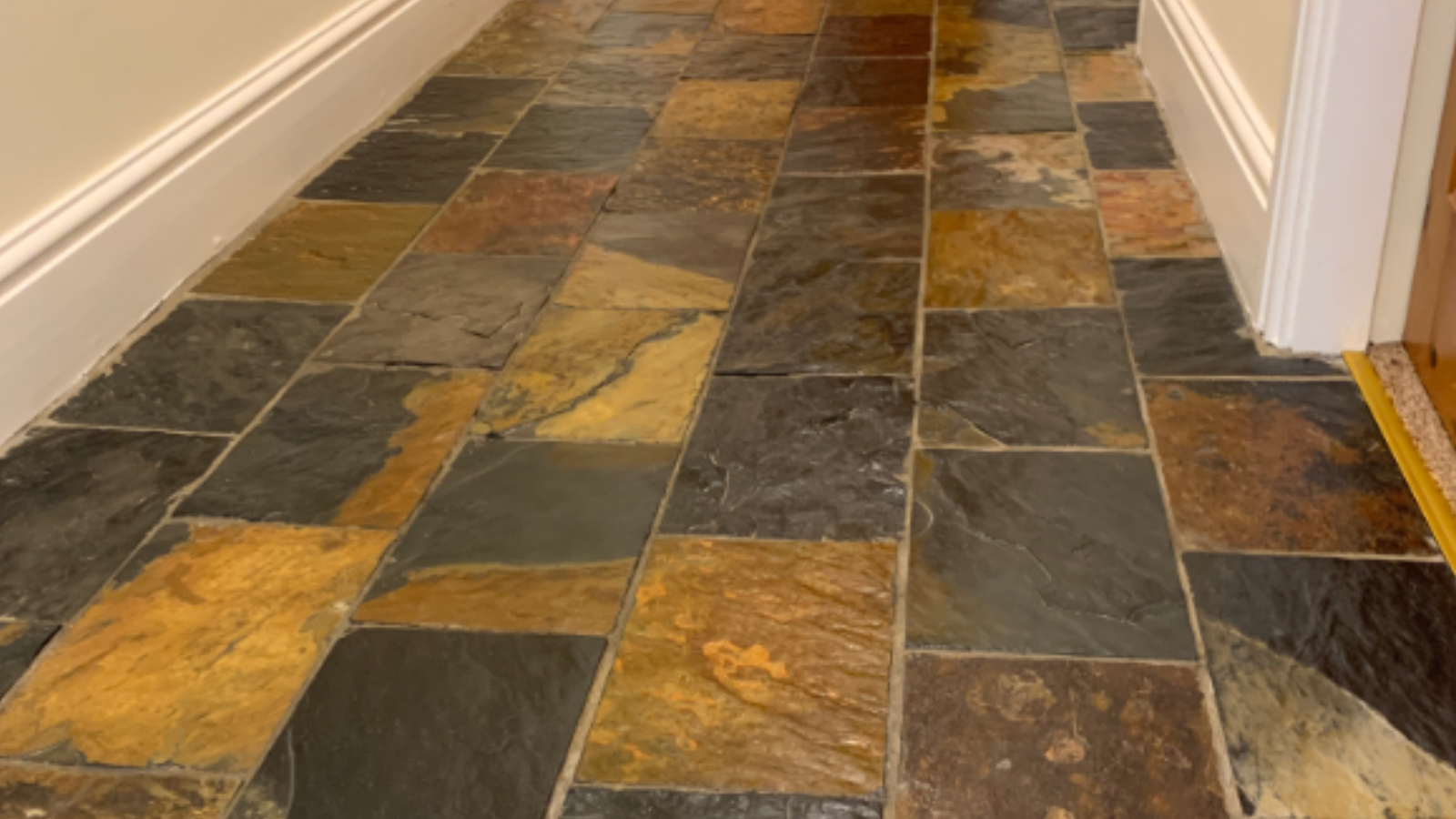
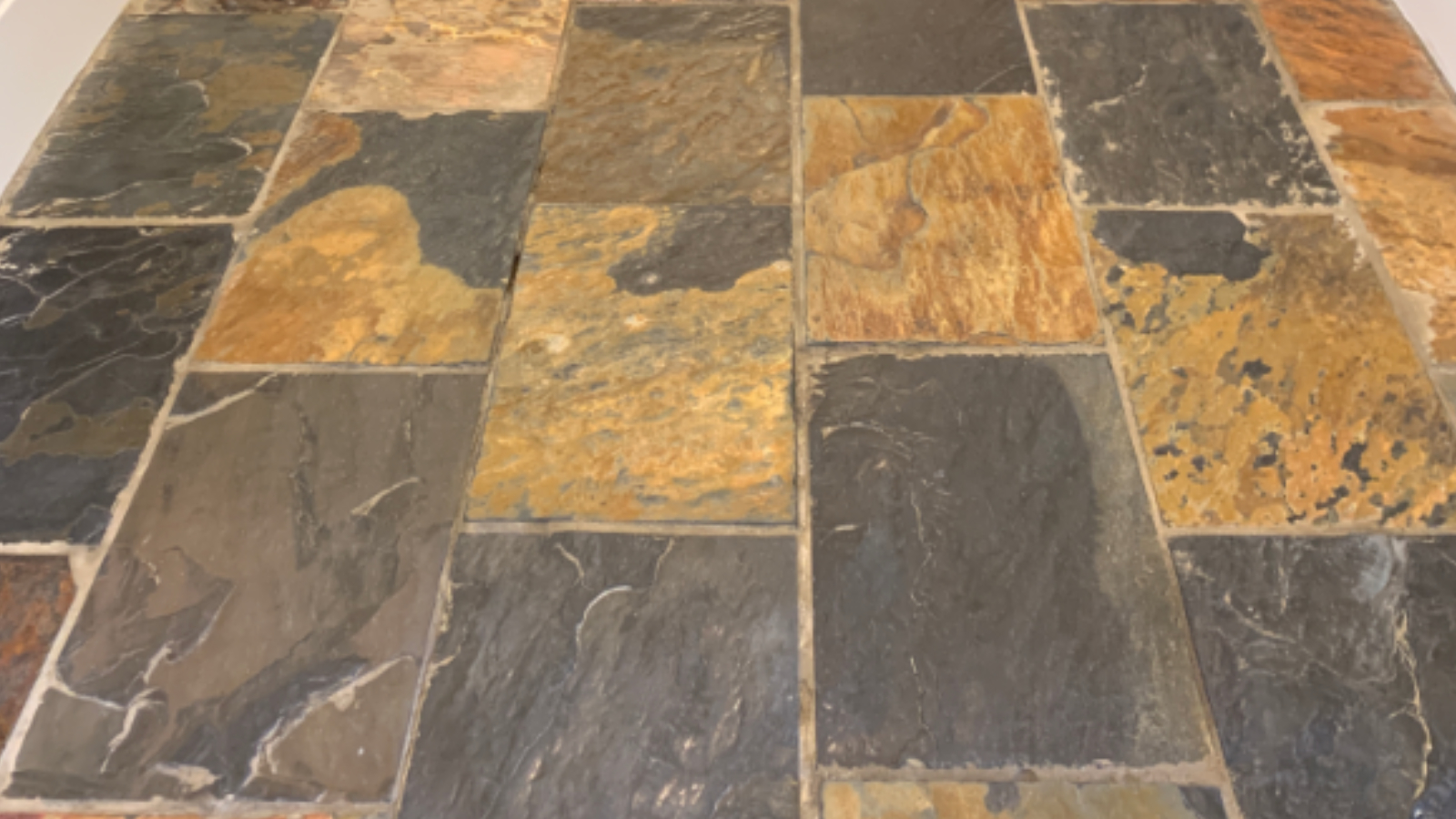
Slate floor cleaning in Chester-le-Street

The problem
Slate floors in a kitchen, dining room and utility area had become heavily soiled and dull.
What we assessed
The stone needed careful cleaning and full drying before a colour-enhancing sealer could be considered.
What we recommended
A stone-aware process was more appropriate than treating the floor like a standard tiled surface.
What we did
Deep cleaning, extraction, drying and colour-enhancing sealing.
The result
The floor showed stronger colour and improved presentation.

Natural stone often needs a more cautious conversation than ordinary hard-floor cleaning.

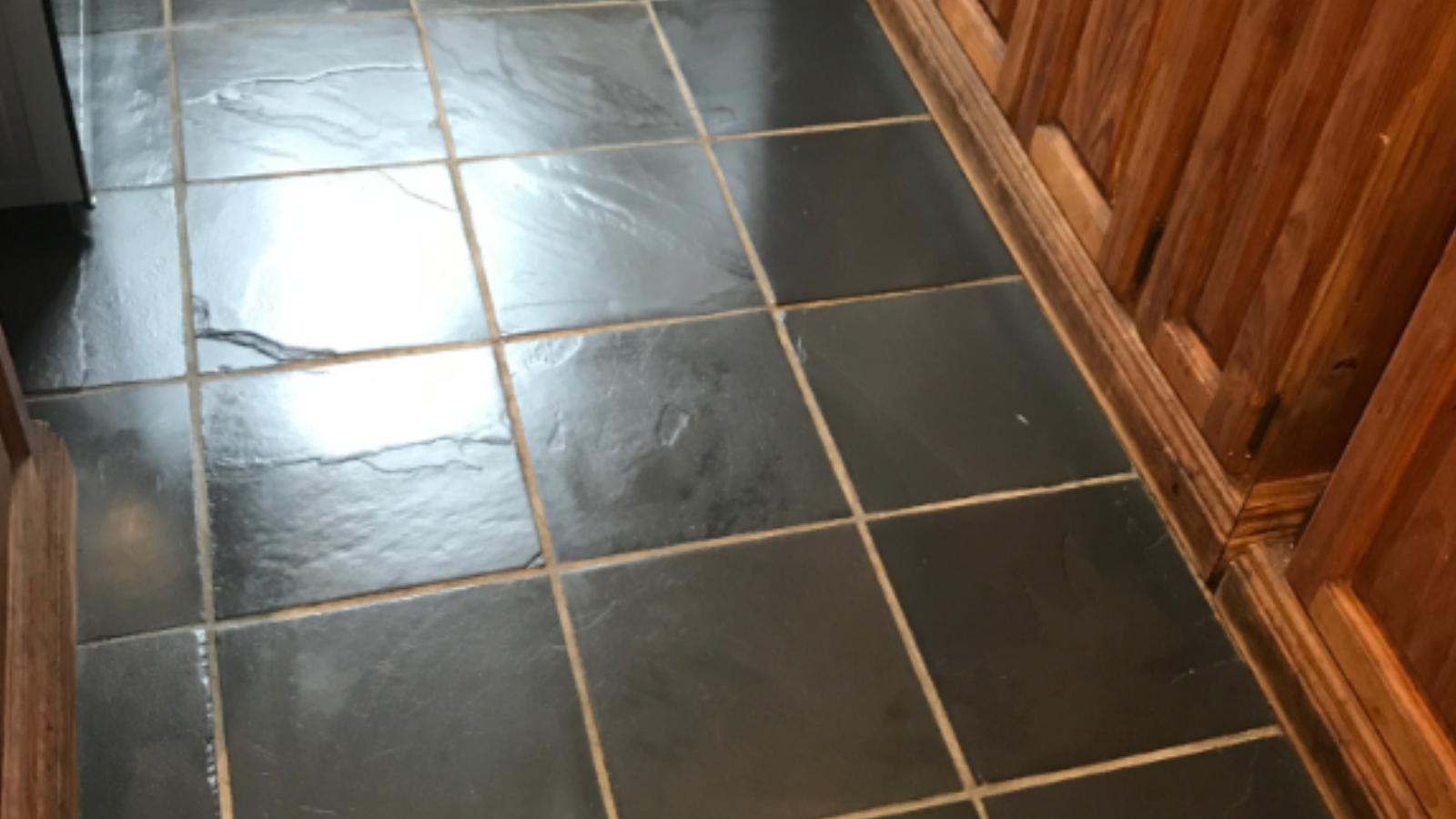
African slate hallway floor in Newcastle after professional restoration and colour-enhancing sealing
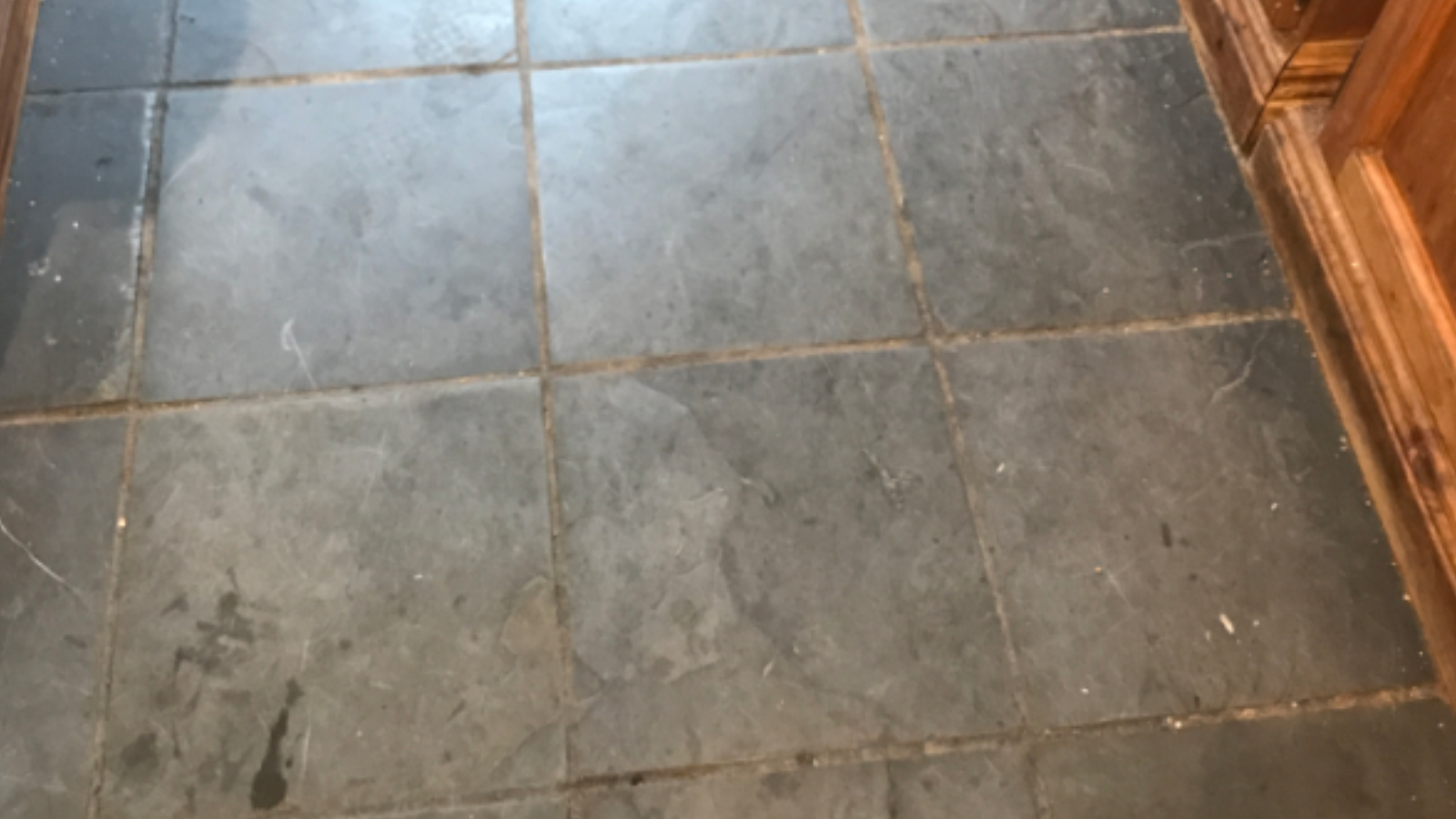
African slate hallway floor in Newcastle before professional cleaning and sealing
Before
After

African Slate Floor Restoration & Sealing In Newcastle

This African slate floor restoration project involved a hallway in Newcastle where years of traffic had left the stone looking dull, lifeless and harder to maintain. The floor was vacuumed, deep cleaned with a professional alkaline degreaser, mechanically cleaned, neutral rinsed, dried fully and then sealed with a colour-enhancing finish across both the slate and grout lines.

Newcastle upon Tyne

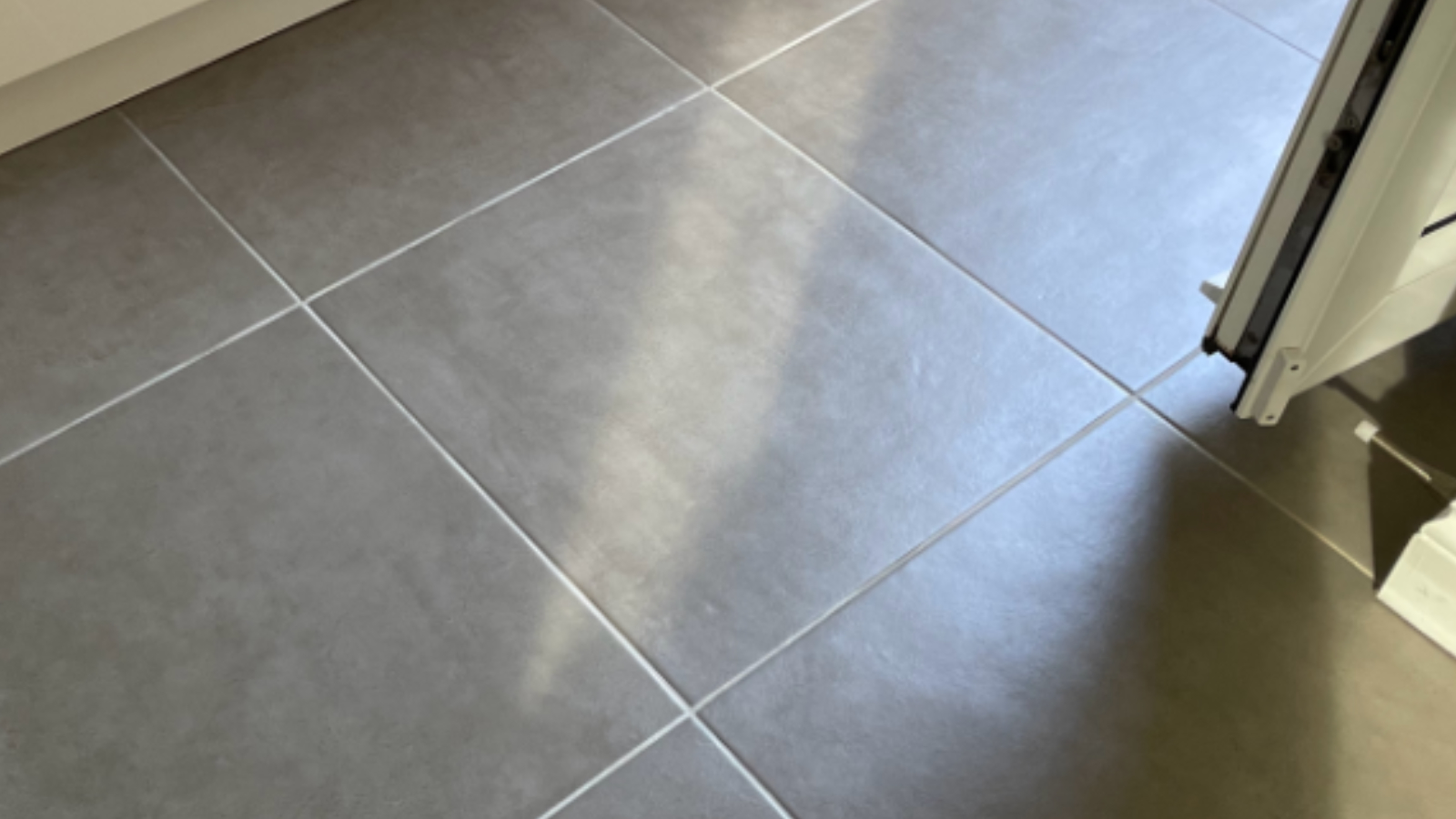
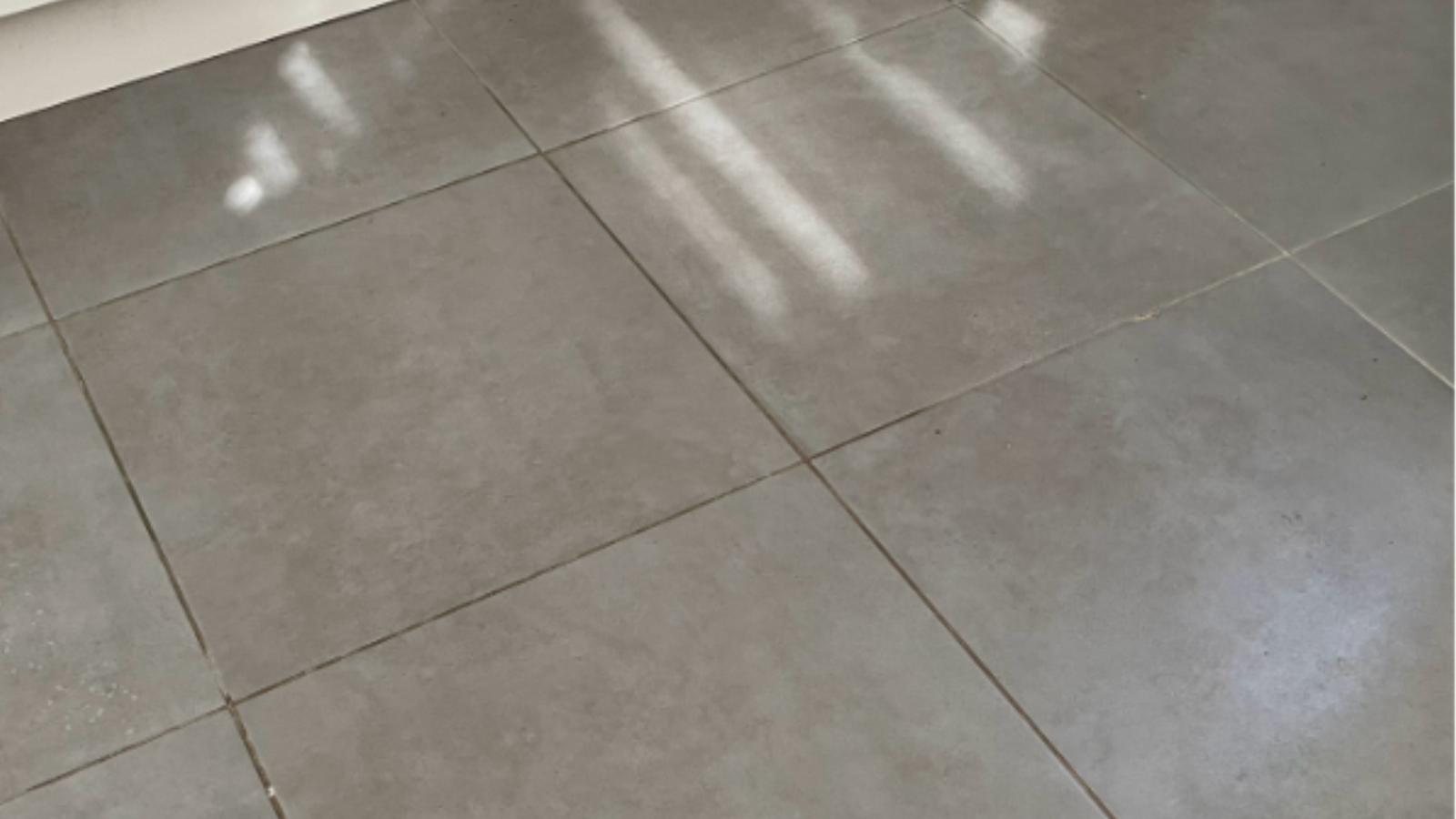
Ceramic kitchen floor tiles in Houghton-le-Spring after professional tile and grout cleaning restored a cleaner appearance
Ceramic kitchen floor tiles in Houghton-le-Spring with dark dirty grout lines before professional cleaning
Before
After

Kitchen Tile & Grout Cleaning In Houghton-le-Spring

This kitchen floor cleaning project involved ceramic tiles and dark, dirty grout lines that still looked tired no matter how often the floor was mopped. A pH-neutral tile and grout cleaner, machine agitation, hand scrubbing of the grout and wet extraction removed embedded contamination and left the floor looking fresher and more even overall.

Houghton-le-Spring, Tyne and Wear

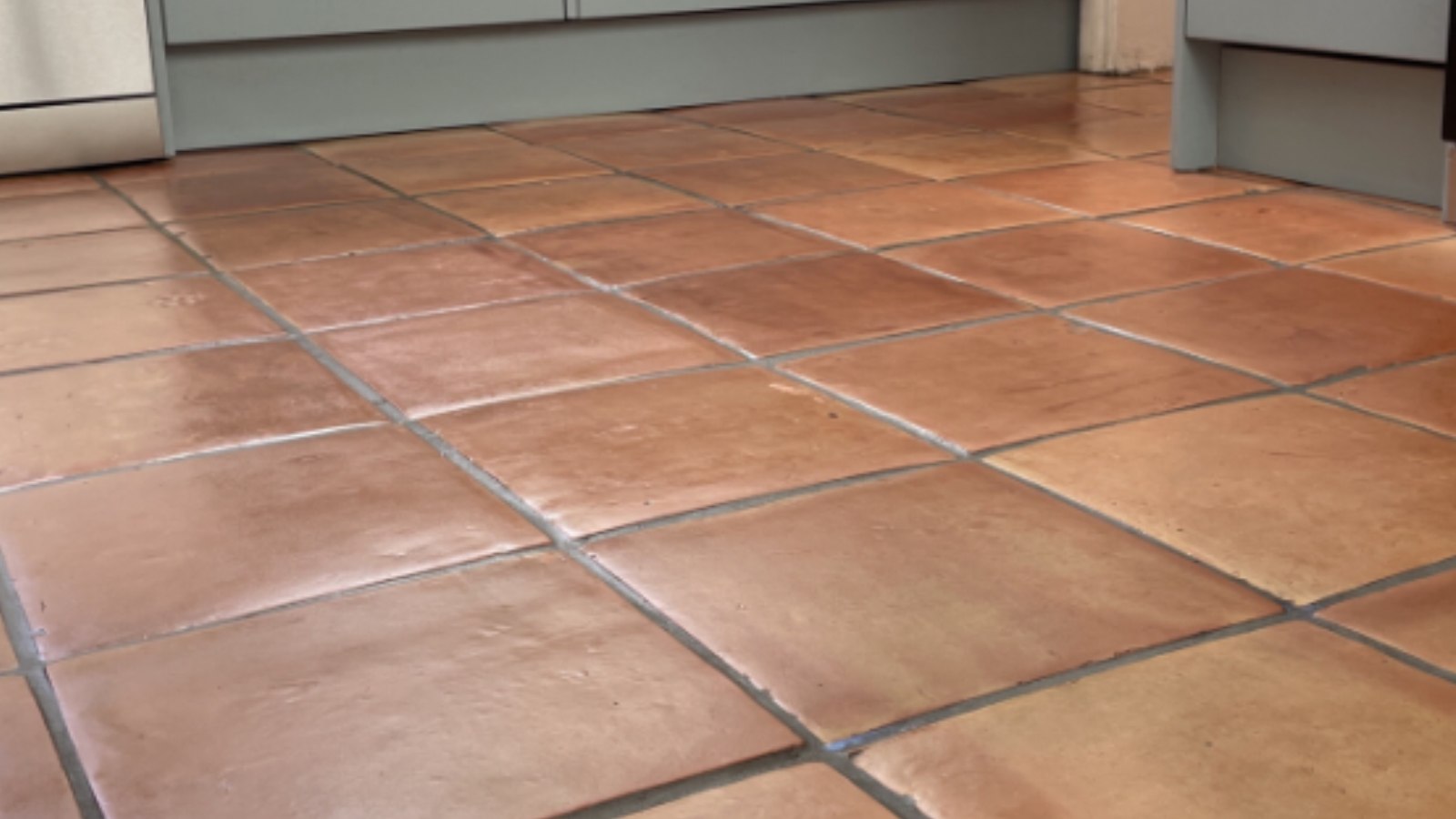
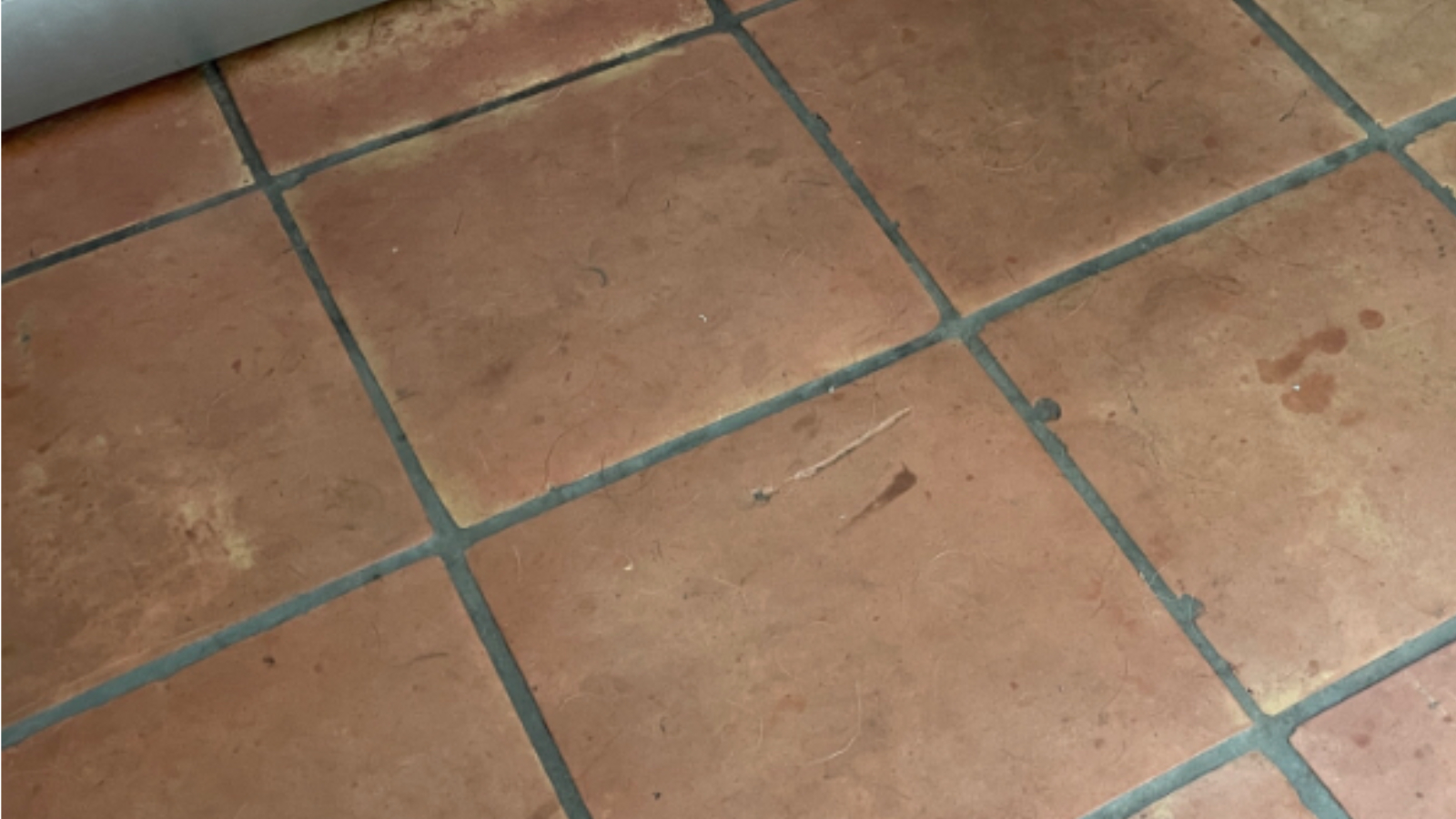
Traditional quarry tile floor in Ryton after cleaning and satin sealing restored a fresher appearance
Traditional quarry tile floor in Ryton before cleaning and sealing showing dull contamination
Before
After

Quarry Tile Cleaning & Sealing In Ryton

This quarry tile floor cleaning project involved a kitchen diner in a stone cottage where traditional tiles had become dull, tired and affected by grease and general contamination. The floor was vacuumed, treated with specialist tile cleaner, mechanically cleaned, extracted, allowed to dry for around a week and then finished with a satin seal suitable for quarry and natural stone tiles.

Ryton, Gateshead, Tyne and Wear

Slate floor in Chester-le-Street after professional deep cleaning and colour-enhancing sealing
Slate floor in Chester-le-Street before professional deep cleaning and sealing
Before
After

Slate Floor Deep Clean & Colour Revival In Chester-le-Street

This slate floor cleaning project involved a kitchen, dining room and utility area in Chester-le-Street where years of use had left the stone heavily soiled, dull and lifeless. The floor was deep cleaned with professional products, mechanically scrubbed, dirt extracted away, dried fully and then finished with a colour-enhancing sealer to restore the stone and protect both the slate and grout lines.

Chester-le-Street, County Durham

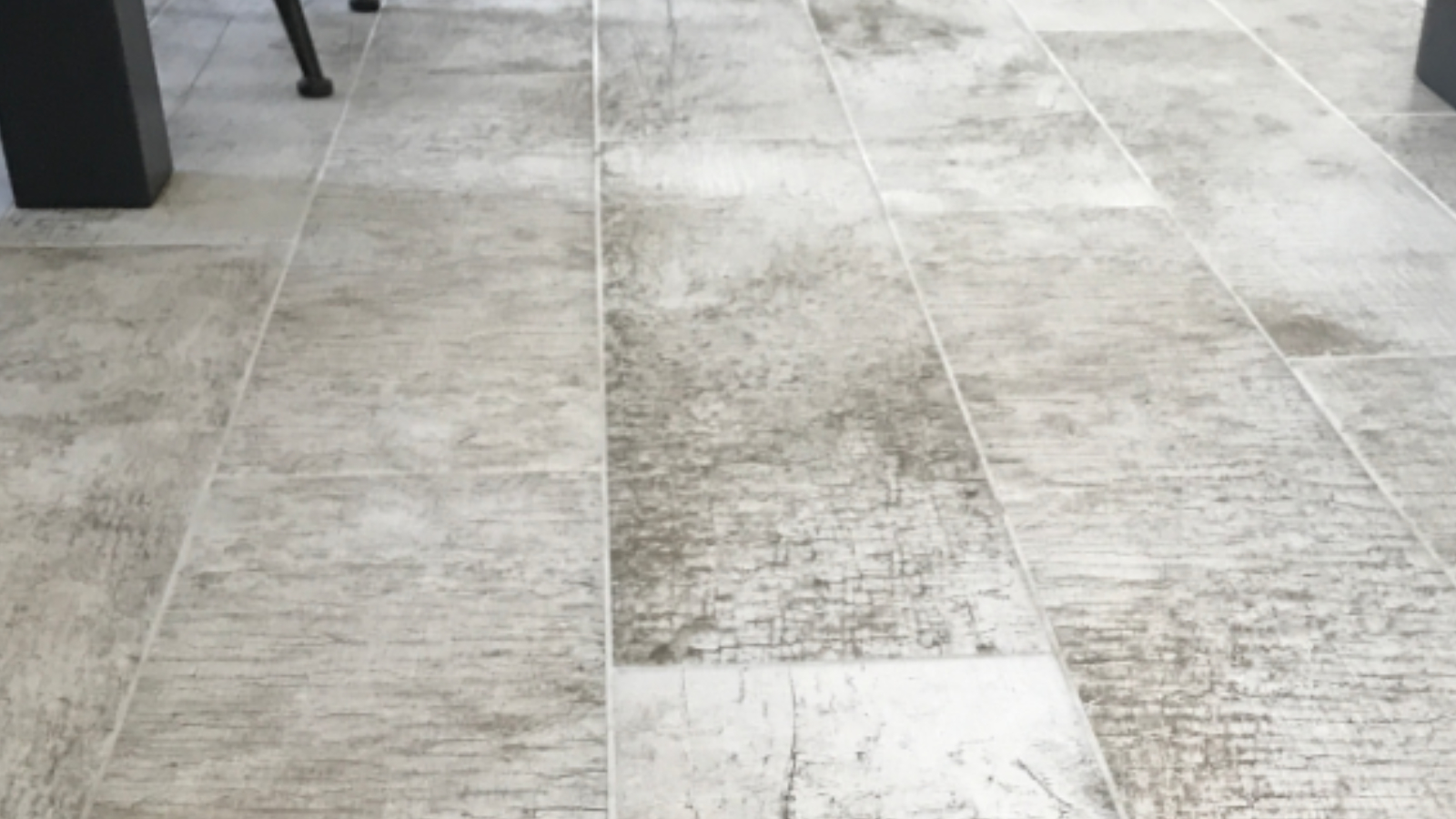
Driftwood-effect ceramic floor after professional tile and grout cleaning restored a fresher appearance
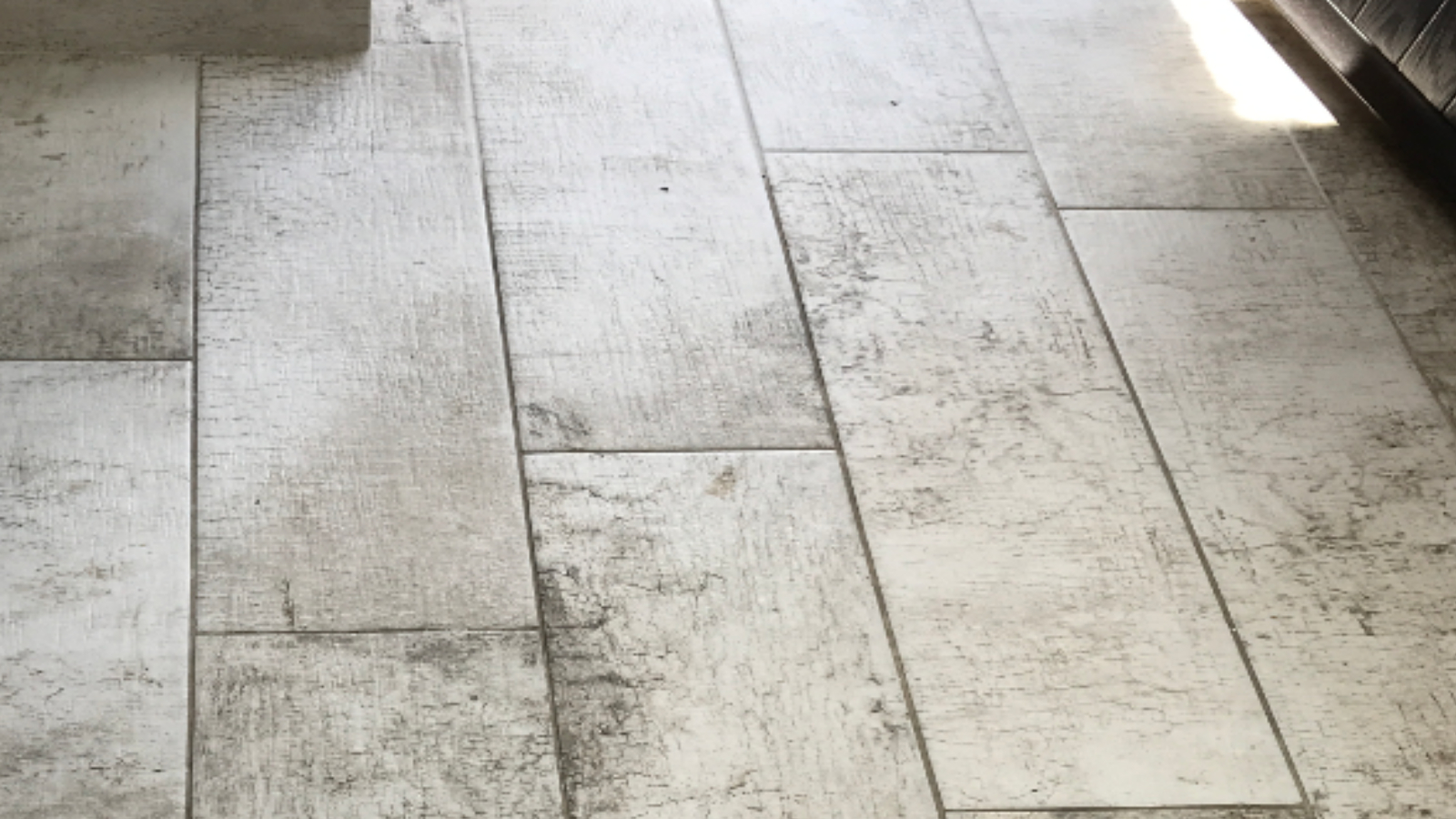
Driftwood-effect ceramic floor with discoloured white grout before professional cleaning
Before
After

White Tile & Grout Cleaning In A Family Kitchen

This family kitchen floor cleaning project involved driftwood-effect ceramic tiles with white grout lines that had become grey and discoloured through everyday use in a home with children and dogs. An eco-friendly pH-neutral tile and grout cleaner, mechanical cleaning and water extraction lifted the embedded contamination and left the floor cleaner and ready for immediate use.

North East England

Before quoting

What helps us advise properly.

The better the floor information, the easier it is to recommend the right route.

What we'd recommend

Busy floors need planning, not just cleaning.

For entrances, corridors, kitchens, public areas and school or hospitality spaces, the better question is often not whether the floor can be cleaned once. It is how to stop the same problem becoming expensive again.

  • Photos of the whole floor and close-ups of problem areas.
  • Whether the issue is mostly tile, grout, stone, vinyl or LVT.
  • What cleaning products, polishes or sealers may have been used.
  • Whether the problem is across the whole floor or mainly in traffic routes.
  • Whether the floor is domestic, rental, commercial or public-facing.
  • Access times, parking and return-to-use requirements for commercial work.

For homes, we usually focus on the floor type, what has changed, where the problem appears and what products have been used. For commercial floors, we also need to consider access, footfall, downtime and whether the same traffic pattern will return quickly.

Questions we hear

Practical questions before booking

These are the kinds of questions customers ask when they are trying to work out whether a floor needs cleaning, sealing, a specialist floor process or replacement advice.

Can you tell what type of floor we have?

Often, yes. Photos, room use, age, texture and previous cleaning products can give useful clues. If there is any doubt, the floor should be assessed before a method is recommended.

Why does the floor still look dirty after mopping?

Routine mopping can leave residue behind or fail to remove soil from textured surfaces and grout lines. The floor may need a deeper clean rather than more household cleaning product.

Can you clean the grout as well as the tiles?

Where the grout is suitable, yes. Grout often needs different attention from the tile surface because it can hold more soil and staining.

Will the floor need sealing afterwards?

It depends on the floor. Some grout and stone floors may benefit from sealing, but it should be recommended because the floor needs it, not as an automatic add-on.

Can you clean a commercial floor outside working hours?

Where scheduling and access allow, commercial cleaning can often be planned around quieter periods. The exact arrangement depends on the building, floor area and return-to-use requirements.

Is cleaning worth it or should we replace the floor?

That depends on whether the problem is contamination, wear, damage or a failed finish. Cleaning is worth considering where the floor is structurally sound and the main issue is appearance or soil build-up.

Is this the same as LVT cleaning?

Not always. Some customers describe any smooth floor as a hard floor, but vinyl and LVT often need a different conversation. If the floor is LVT, the dedicated Vinyl & LVT Cleaning route is usually the better place to start.

Useful content

Useful guides and recent projects

More practical advice and real examples connected to tile, grout, stone, vinyl and specialist hard-floor care.

Useful hard-floor guides

Hard Floor Cleaning Durham

Hard floor cleaning

LVT Cleaning Durham

Hard floor cleaning

Bona RFS vs Strip and Seal

Hard floor cleaning

Commercial Floor Protection Guide

Commercial cleaning

Facilities Manager Guide to Resilient Floor Care

Commercial cleaning

Floor Polish Removal Guide

Hard floor cleaning

Resilient Floor Lifecycle Guide

Hard floor cleaning

Commercial Hard Floor Cleaning Durham

Commercial cleaning

Commercial LVT Cleaning

Commercial cleaning

Grout Cleaning Durham

Hard floor cleaning

Tile Cleaning Durham

Hard floor cleaning

Tile Cleaning vs Replacement

Hard floor cleaning

Hard Floor Aftercare Guide

Hard floor cleaning

Professional Tile Cleaning vs DIY

Tile and grout cleaning

Slate Floor Cleaning Guide

Hard floor cleaning

Tile Cleaning Pricing Guide

Tile and grout cleaning

Why Grout Goes Black

Tile and grout cleaning

Tile and Grout Cleaning Guide

Tile and grout cleaning

Ceramic Tile Cleaning Guide

Hard floor cleaning

Limestone Floor Cleaning Guide

Hard floor cleaning

Porcelain Tile Cleaning Guide

Hard floor cleaning

Travertine Floor Cleaning Guide

Hard floor cleaning

Altro Cleaning Guide

Hard floor cleaning

Commercial Floor Maintenance Programme Guide

Commercial cleaning

Commercial LVT Cleaning Guide

Commercial cleaning

Natural Stone Maintenance Guide

Hard floor cleaning

Tile Cleaning vs Replacement

Hard floor cleaning

Moduleo Cleaning Guide

LVT cleaning

Quick-Step Alpha Vinyl Guide

LVT cleaning

Commercial Vinyl Cleaning Guide

Commercial cleaning

Luxury Vinyl Maintenance Guide

LVT cleaning

LVT Cleaning or Replacement?

LVT cleaning

Polyflor Cleaning Guide

Commercial cleaning

Vinyl Floor Polish Removal Guide

LVT cleaning

Karndean Cleaning Guide

LVT cleaning

Safety Floor Cleaning Guide

Commercial cleaning

Stone Floor Cleaning Guide

Hard floor cleaning

Common Leather Cleaning Mistakes

Leather cleaning

Grout Cleaning and Sealing Guide

Hard floor cleaning

Grout Maintenance Guide

Hard floor cleaning

Resilient Floor Aftercare Guide

Hard floor cleaning

Hard Floor Cleaning vs Restoration

Hard floor cleaning

Can LVT Flooring Be Restored?

Hard floor cleaning

Can Tile And Grout Be Professionally Cleaned?

Hard floor cleaning

What Is the Bona Resilient Floor System?

Hard floor cleaning

Why Does LVT Flooring Look Dull?

Hard floor cleaning

Why Do Floor Tiles Look Dirty After Mopping?

Hard floor cleaning

Should Tile And Stone Floors Be Sealed?

Hard floor cleaning

How Often Should Tile And Grout Be Professionally Cleaned?

Hard floor cleaning

How Often Should LVT Flooring Be Professionally Cleaned?

Hard floor cleaning

How Do You Maintain Luxury Vinyl Flooring?

Hard floor cleaning

How to Maintain Commercial Carpets

Commercial cleaning

Can Natural Stone Floors Be Restored?

Hard floor cleaning

Can Luxury Vinyl Tile (LVT) Be Professionally Cleaned?

Hard floor cleaning

Can Grout Be Restored Without Replacing It?

Hard floor cleaning

Service FAQs

Questions about hard floor cleaning

The questions below cover the things we're asked most often before booking, including likely results, drying times, suitability and what to expect from the process.

What types of hard floors can Safe Space Cleaning clean? +

Safe Space Cleaning can assess and clean suitable tiled, grouted and natural stone floors. Vinyl and LVT floors should usually be considered through the dedicated Vinyl & LVT Cleaning service.

Can professional cleaning restore dirty grout? +

Professional cleaning can often improve dirty grout, especially where the issue is soil, grease or everyday build-up. It cannot replace missing grout, repair damaged grout or guarantee that every stain will disappear.

Can natural stone floors be professionally cleaned? +

Yes, suitable natural stone floors can be professionally cleaned, but the stone type and finish matter. Limestone, travertine, slate and similar floors should be assessed carefully before products or methods are chosen.

Do tiled floors need sealing after cleaning? +

Some grout and stone floors may benefit from sealing after cleaning, but not every tiled floor needs it. The decision should depend on the material, condition and how the floor is used.

How long does hard floor cleaning take? +

Timing depends on the size of the area, the floor type, the level of soiling and whether sealing or additional drying time is required. Smaller domestic areas may be completed more quickly than larger commercial floors.

How soon can the floor be used after cleaning? +

Return-to-use time depends on the cleaning method, floor material, ventilation and whether any sealing or finishing work is involved. Safe Space will give realistic guidance after assessment.

Do you clean commercial hard floors? +

Yes. Commercial hard floor cleaning may be suitable for offices, schools, churches, hospitality venues, retail spaces and other business premises where the floor type and access are suitable.

What if my floor is vinyl or LVT? +

Vinyl and LVT floors should usually be reviewed through the dedicated Vinyl & LVT Cleaning service. Some resilient floors may also be relevant to the Bona Resilient Floor System where suitable.

When might hard floor cleaning not be enough? +

Cleaning may not be enough if tiles are cracked, grout is failing, stone is deeply etched, vinyl is damaged, or the customer expects cleaning to reverse physical wear. In those cases, another specialist route may be more appropriate.

Related services

Related work that is often booked at the same time.

Many homes and workplaces need more than one surface dealt with, so these linked services are here to help you compare the right combination.

Ready when you are

Need hard floor cleaning in the North East?

Send over a few details or give us a ring. We can then advise on the likely treatment, the expected result and whether the timing works for the way the space is used.

Call WhatsApp Quote