
Project case study
Quarry Tile Cleaning & Sealing In Ryton
A real quarry tile cleaning and sealing case study showing how a dull kitchen diner floor in Ryton was cleaned, dried and finished with a satin seal.

A real quarry tile cleaning and sealing case study showing how a dull kitchen diner floor in Ryton was cleaned, dried and finished with a satin seal.
This Ryton project involved a traditional quarry tile floor in a kitchen diner within a stone cottage.
The floor had good character, but years of everyday use had left it looking duller and more tired than it should have. Grease and general contamination had built up across the surface, and much of the original warmth and depth of colour had faded under that layer of soiling.
Traditional quarry tiles often age well structurally, but they do not always stay visually fresh without the right maintenance.
That is especially true in kitchens and dining spaces, where daily foot traffic, cooking residue and repeated washing can gradually leave the floor looking flat and lifeless. The issue is often not one dramatic stain. It is the slow build-up of contamination that takes away the colour and character people liked in the floor to begin with.
That was very much the situation here.
The surface was a quarry tile floor in a stone cottage kitchen diner.
The tiles themselves were still worth preserving, but the floor looked dull and tired overall. Grease and general contamination had settled into the surface, muting the appearance and making the room feel less clean than it should have done.
This kind of floor can be particularly frustrating because even regular maintenance cleaning often fails to bring the character back once the build-up gets beyond surface level. Homeowners often feel the floor is permanently old-looking, when in reality much of what they are seeing is trapped contamination and the absence of suitable sealing.
The first step was to vacuum the floor thoroughly so any loose dirt, dust and dry debris were removed before wet cleaning started.
Once that was done, a specialist tile cleaner was applied and given suitable dwell time so it could begin softening the grease and general contamination sitting on and within the floor surface.
The tiles and grout lines were then mechanically cleaned to work the solution through the floor more effectively than normal household cleaning ever could. As the soiling lifted, the contamination was extracted away rather than being left to settle back into the surface.
After cleaning, the floor was allowed to dry fully for around a week. That drying period matters on traditional quarry and natural stone-style floors because sealing too early can trap moisture and reduce the quality of the finish.
Once the floor was ready, a satin finish seal suitable for quarry and natural stone tiles was applied to help protect the surface and bring back a cleaner, more balanced appearance.
Quarry tiles often benefit from sealing because they can be relatively porous compared with more modern floor finishes.
Without proper sealing, the surface is more likely to hold onto grease, dirt and everyday contamination. That can leave the floor looking dull more quickly and can make routine maintenance less effective.
A suitable seal does not make the floor maintenance-free, but it can help in a few important ways:
That is why cleaning and sealing often work best as a combined process on older quarry tile floors rather than treating them as two unrelated jobs.
Once the floor had been cleaned, dried and sealed, the overall appearance was much fresher.
The biggest improvement was not an artificial shine, but the return of clearer colour and character across the floor. The tiles looked cleaner, more even and better suited to the cottage setting again.
The satin finish seal also helped give the floor a more finished appearance without making it look overdone.
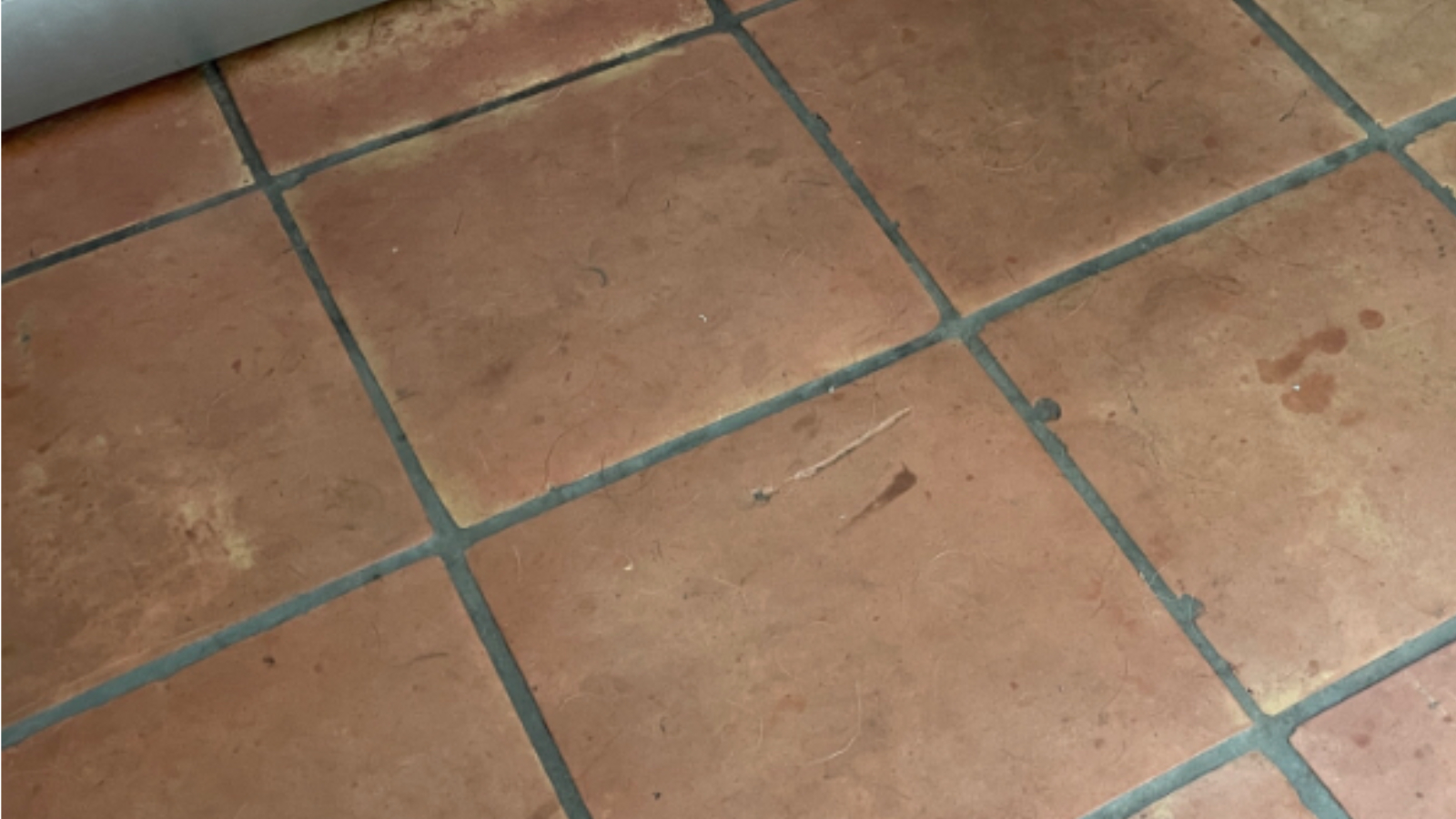
Before restoration: grease, contamination and years of use had left the quarry tiles looking dull and tired.
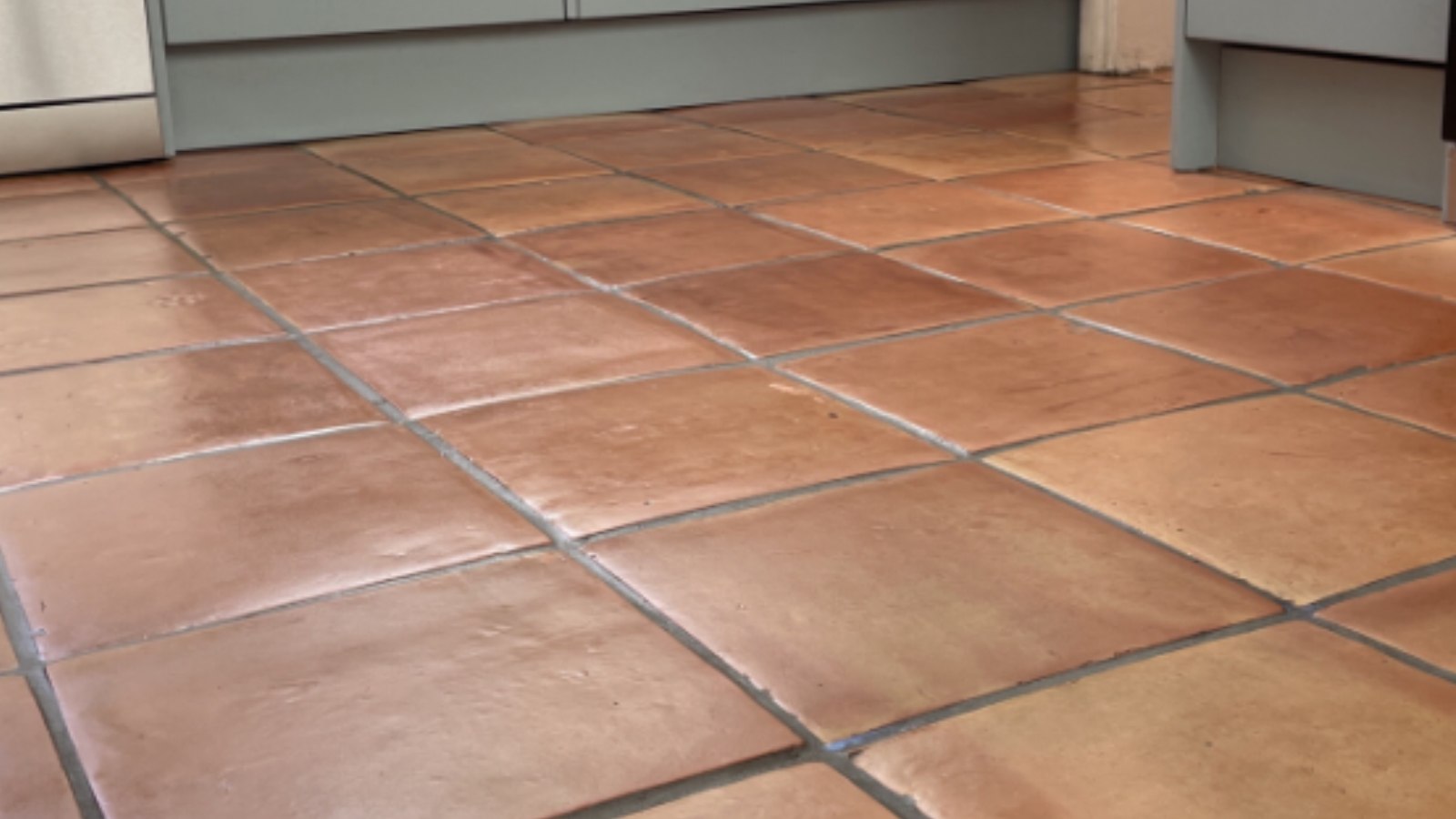
After restoration: deep cleaning and a satin finish sealer brought back more colour and made the floor easier to maintain.
If a quarry tile floor is starting to look dull, tired or harder to maintain, the issue may be less about age and more about built-up contamination and the lack of a suitable protective finish.
Our tile and vinyl floor cleaning page explains how we approach tiled floors, grout lines and other hard floor surfaces that need more than ordinary maintenance cleaning.
One practical note: the additional support articles you asked to link to do not currently exist in the site content, so I have not added broken links for them. If those guides are added later, this case study would be a natural place to connect them.
Send us a few photos or tell us what you are dealing with. We will explain whether cleaning, restoration or replacement is the most sensible next step.