
Project case study
Bathroom Vinyl Floor Deep Clean in Washington, Tyne & Wear
A real vinyl floor cleaning case study showing how a dull bathroom floor in Washington was deep cleaned to remove grease, residues and embedded everyday dirt.

A real vinyl floor cleaning case study showing how a dull bathroom floor in Washington was deep cleaned to remove grease, residues and embedded everyday dirt.
This vinyl bathroom floor in Washington, Tyne and Wear was cleaned as part of a larger whole-home flooring project which included carpet cleaning, wood floor cleaning and vinyl floor cleaning.
Although the floor was regularly mopped, it had gradually become dull due to a build-up of grease, cleaning-product residues and everyday contamination.
Like many vinyl floors, the issue was not damage to the flooring itself, but embedded dirt that normal household cleaning could no longer remove.
Vinyl flooring is often chosen because it is practical, durable and easy to maintain.
That is all true, but over time even a well-looked-after vinyl floor can start to lose its freshness. In bathrooms especially, regular mopping often removes loose surface dirt without fully dealing with the residues, grease and general contamination that gradually settle into the surface texture.
That was the issue here. The floor was still serviceable and worth keeping, but it no longer looked as clean as the homeowner expected.
The homeowner’s main frustration was that the floor never seemed to look properly clean, even immediately after mopping.
The most obvious issues were:
This is one of the most common problems we see with vinyl flooring. The floor may not be damaged, but once residues and contamination start building up, ordinary household cleaning often reaches a point where it can no longer shift them properly.
We began by thoroughly vacuuming the area to remove loose dirt and debris before any wet cleaning took place.
A professional degreasing cleaner was then applied and allowed time to dwell so it could begin breaking down grease, contamination and the build-up left behind by repeated cleaning products.
The floor was then lightly agitated using a bonnet hard-floor pad. This helped the cleaning solution work more evenly through the textured vinyl surface and loosen the residues that had been making the floor look flat and tired.
Once the dirt had been released, the floor was thoroughly wet extracted to remove both the cleaning solution and the contamination it had lifted.
The final stage was towel drying, leaving the floor with a cleaner finish and ready for immediate use.
The difference was immediately noticeable.
The floor regained a much cleaner and brighter appearance, the built-up residues were removed and the overall finish looked fresher and more hygienic.
Professional vinyl floor cleaning can often restore the appearance of flooring that many homeowners assume is worn out or beyond saving.
Before considering replacement, a professional deep clean is often well worth exploring.
If you are weighing up whether the floor needs replacing or simply needs a deeper clean, our guide on whether luxury vinyl tile can be professionally cleaned explains what cleaning can improve and where the limits are.
And if your floor is not badly damaged but never seems to stay fresh for long, How Often Should LVT Flooring Be Professionally Cleaned? explains when periodic deep cleaning becomes more useful than repeated ordinary mopping.
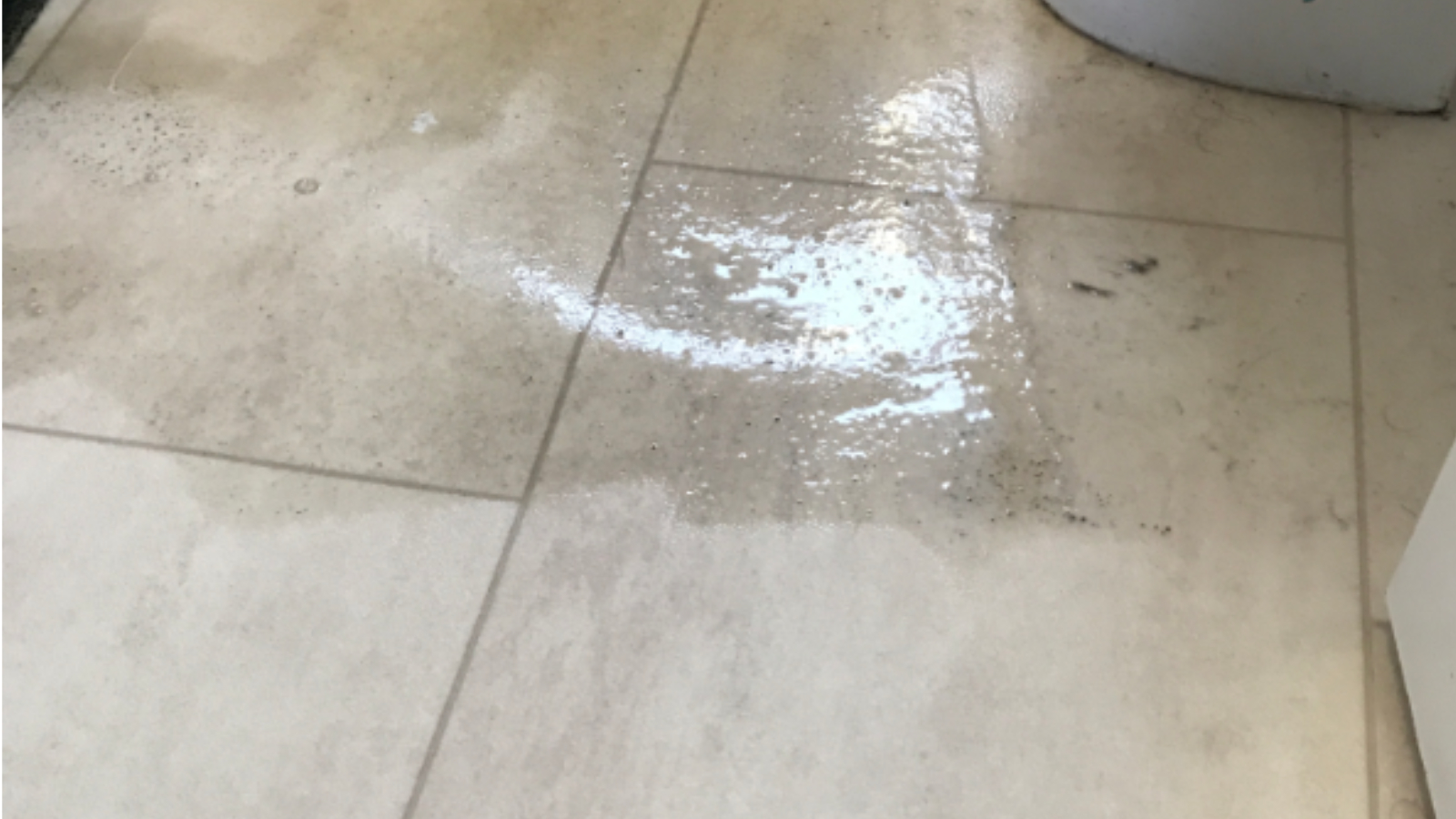
Before cleaning: residues and embedded everyday dirt had left the vinyl looking dull and harder to freshen with normal mopping.
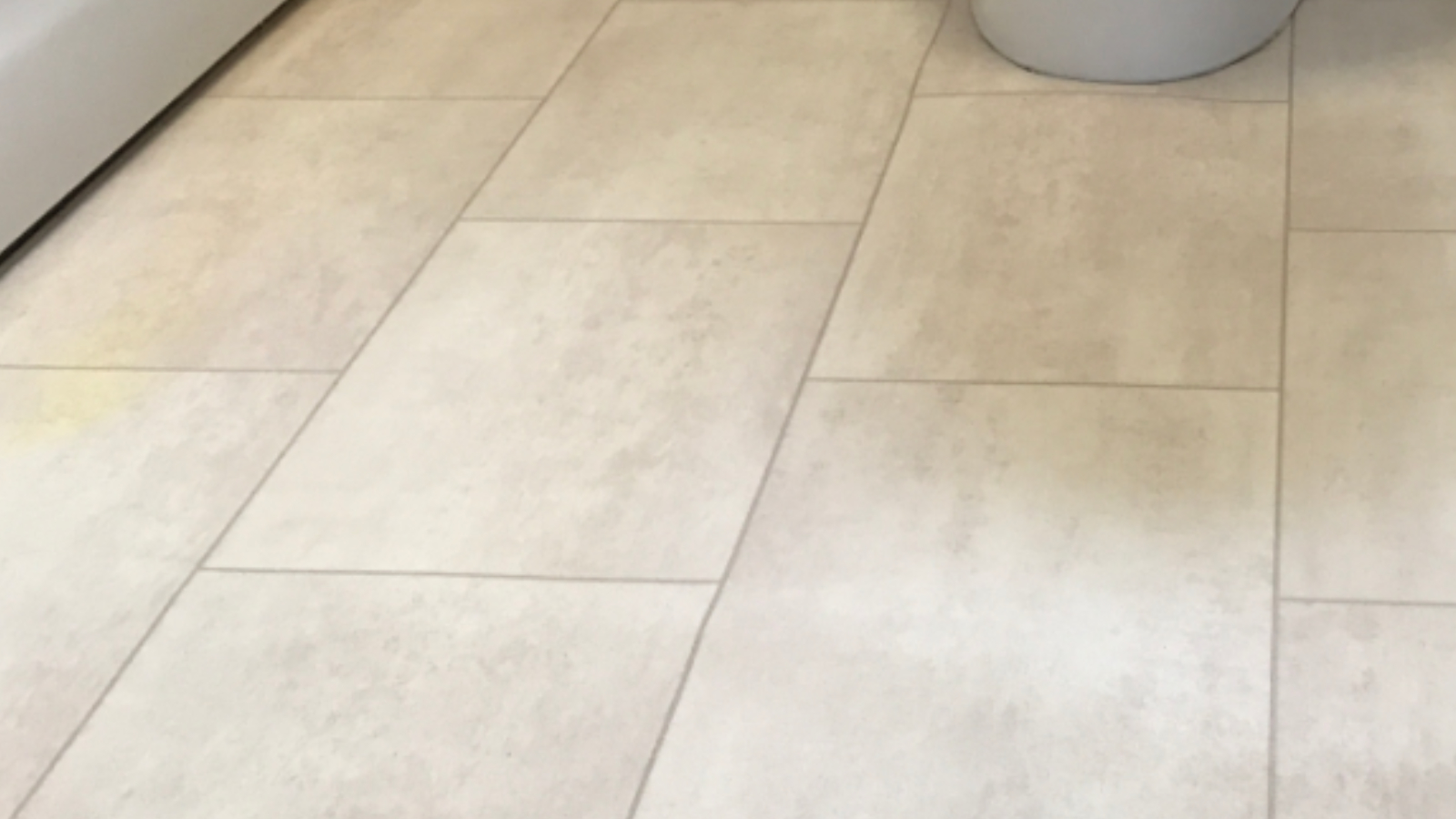
After cleaning: the floor looked brighter, cleaner and more even once the built-up contamination had been properly removed.
If a vinyl floor is starting to look dull no matter how often it is cleaned, the problem is often built-up residues and embedded contamination rather than permanent wear.
Our tile and vinyl floor cleaning page explains how we approach vinyl, tile, grout and other hard floor surfaces that need more than routine household mopping.
Send us a few photos or tell us what you are dealing with. We will explain whether cleaning, restoration or replacement is the most sensible next step.