Leather cleaning that starts with understanding the finish
Not all leather is the same.
Different finishes respond differently to cleaning products, moisture and wear. That’s why identifying the type of leather is one of the most important parts of the process.
Cleaning should improve the appearance of the furniture without causing unnecessary wear or damaging the existing finish.
Removing the dirt you no longer notice
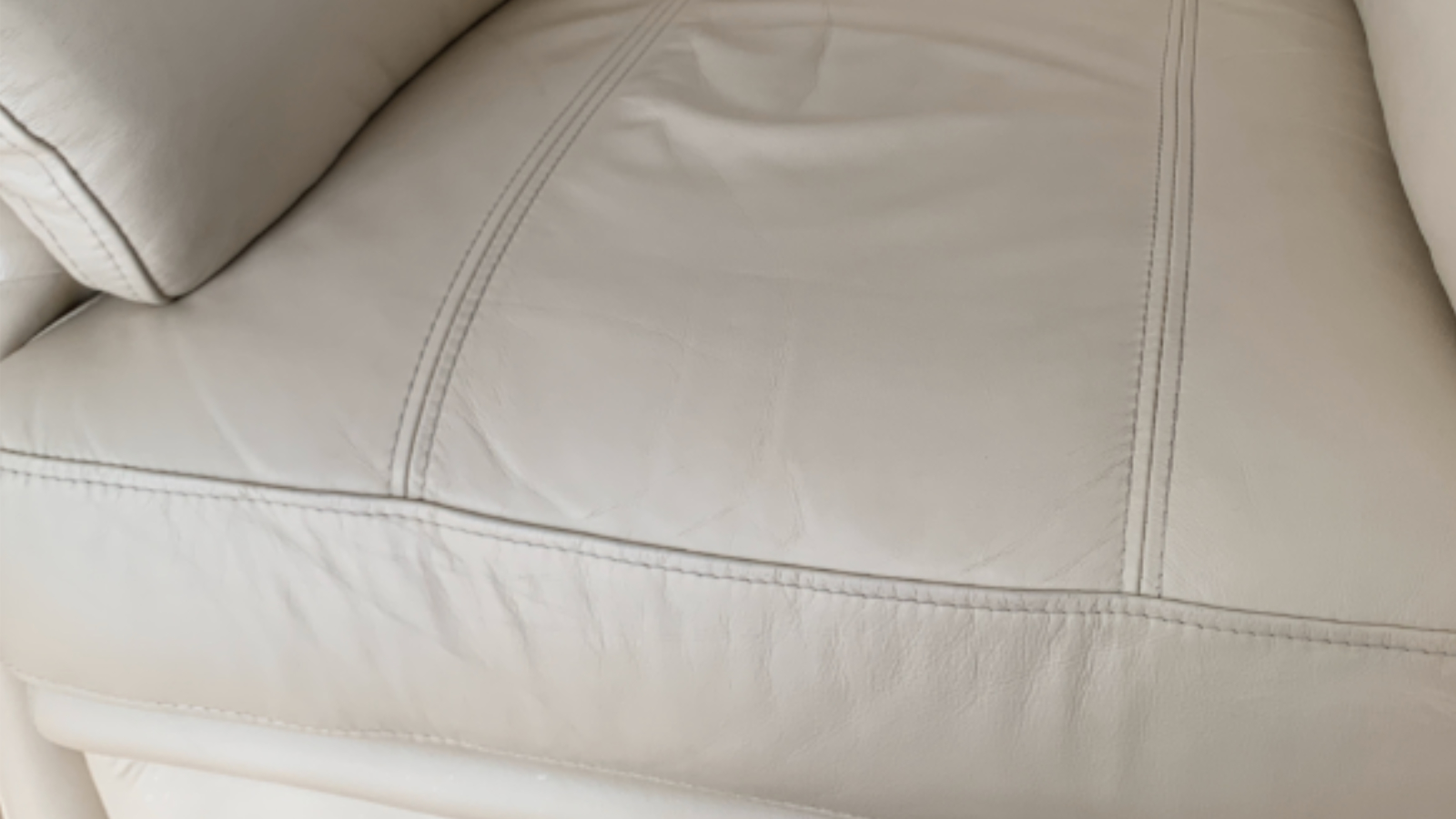
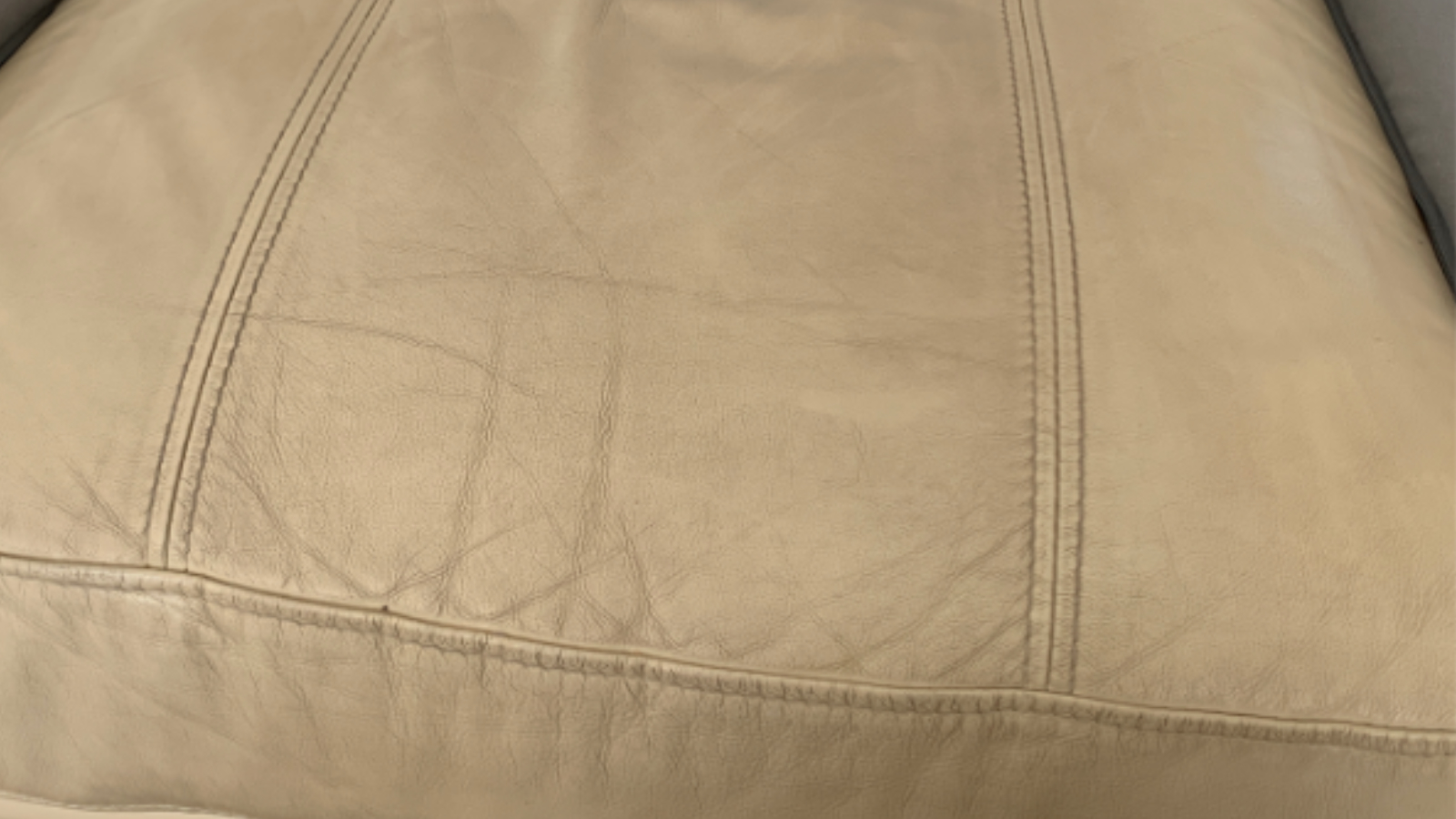
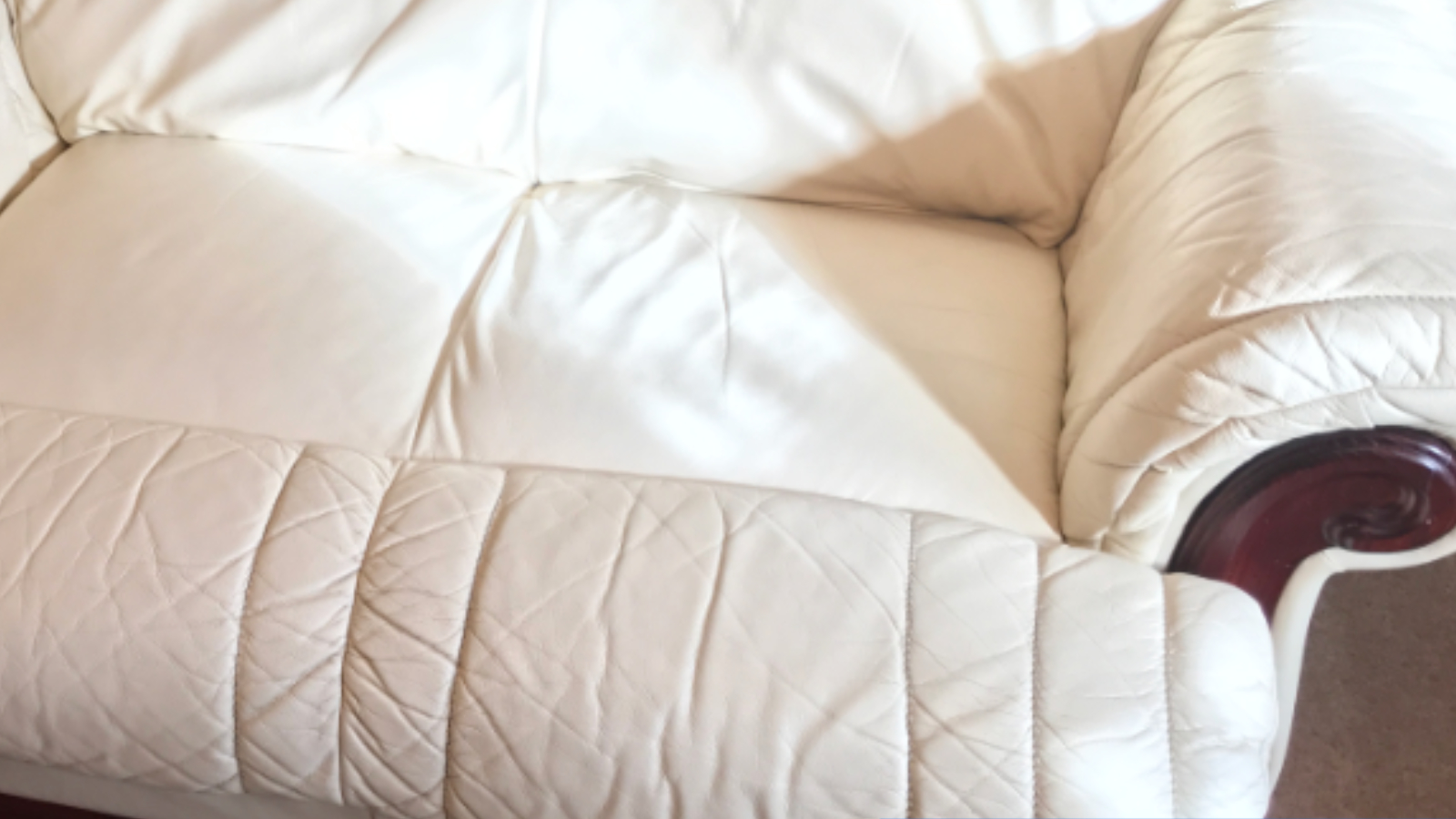
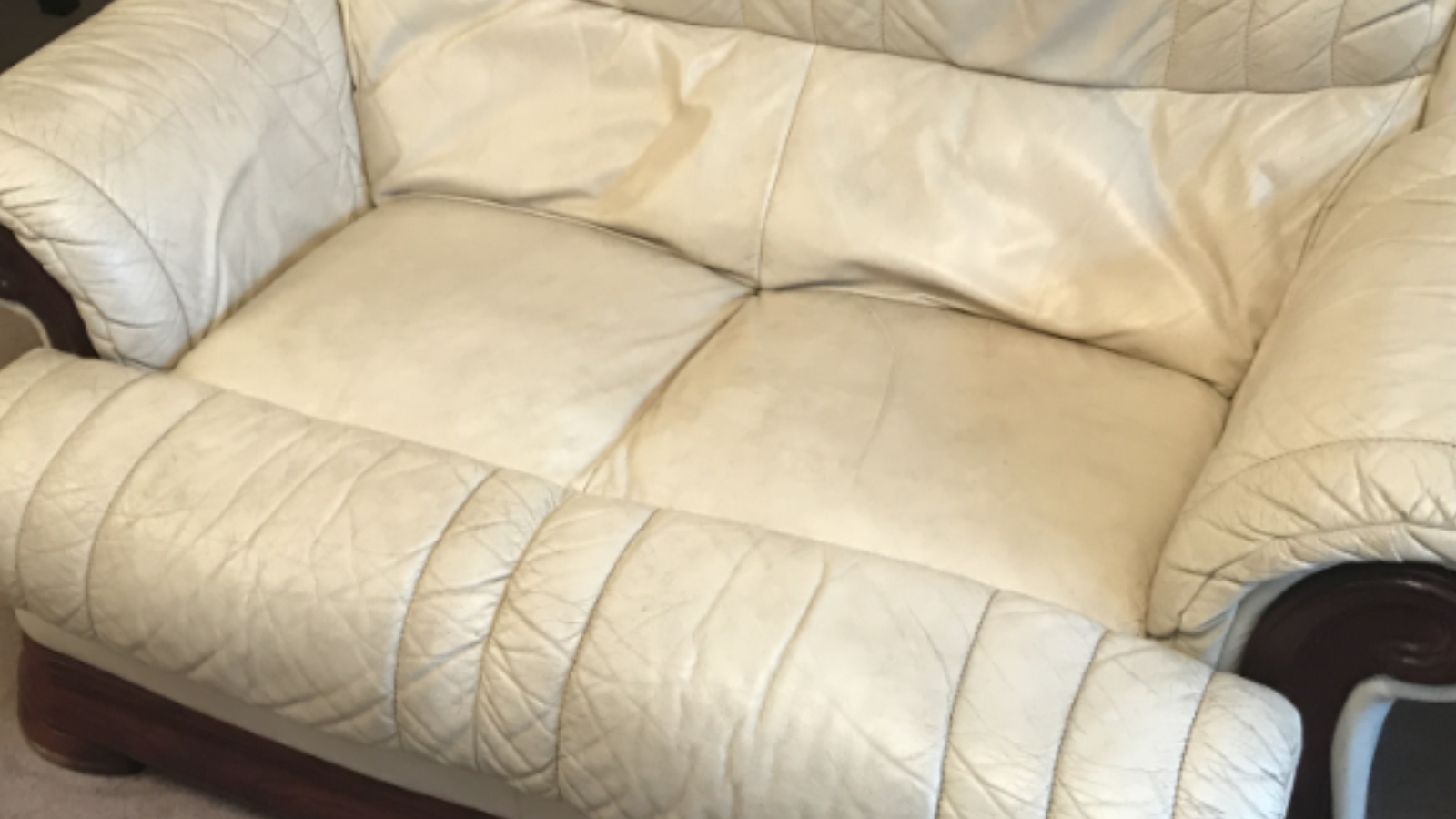
Leather gradually collects body oils, dust, skin contact residue and general household grime.
Because this build-up happens slowly, many people don’t realise how much the appearance of their furniture has changed until the cleaning is complete. Professional cleaning can often restore colour, improve appearance and leave the leather feeling fresher and more comfortable to use.
Honest advice about what cleaning can achieve
Cleaning can make a significant difference, but it isn’t the same as leather repair.
Where cracking, colour loss or physical damage are present, we will explain the difference between what cleaning can improve and what may require specialist restoration work.
If you are trying to decide whether seating is genuinely worn out or simply carrying years of grime and use, our guide Can My Sofa Be Cleaned Or Does It Need Replacing? is often a useful starting point.
If you want a broader set of leather-specific guides and real examples, our leather cleaning advice and project hub brings the main articles and case studies together in one place.
Ideal for
- Leather sofas and corner suites
- Armchairs and recliners
- Light-coloured leather showing body oil build-up
- Reception furniture and waiting room seating
- Customers wanting to extend the life of expensive furniture