
Skip to content
Safespace North East specialists
Menu
Upholstery cleaning

Upholstery Cleaning

Professional upholstery cleaning for fabric sofas, chairs, dining chairs and commercial seating across the North East. Fabric-safe, controlled-moisture cleaning with honest suitability advice.

North East coverage Specialist equipment Fast drying where applicable
Upholstery Cleaning
Upholstery cleaning starts with fabric assessment, cleaning-code awareness and realistic suitability advice.
Low-moisture and dry foam methods can reduce drying time where the fabric and condition are suitable.
Real upholstery project examples show body-oil build-up, water marks, heavy armchair staining and office chair cleaning.
Upholstery cleaning

Specialist fabric furniture cleaning.

Upholstery cleaning should start with the fabric, not the machine.

Two sofas can look similar and still need different cleaning decisions. Fabric type, dye stability, cushion construction, age, previous cleaning attempts, staining, pet use and drying requirements all affect what is safe and worthwhile.

Safe Space Cleaning treats upholstery cleaning as a suitability-led service. We inspect the item, look for cleaning codes where available, test where needed and choose the most appropriate method for the fabric and condition.

Low-moisture and dry foam upholstery cleaning can be very useful for many sofas, chairs and commercial seating because they reduce unnecessary wetting and help furniture return to use sooner. They are not a magic answer for every fabric or every stain.
Our view

The fabric decides the recommendation.

The most important upholstery cleaning decision is not which machine to use. It is whether the fabric, filling, dye and condition make cleaning a sensible recommendation in the first place.

What we look for

What we would check first.

Before recommending upholstery cleaning, we look at the material, construction and realistic result rather than treating every sofa or chair as the same job.

A practical point

Similar-looking sofas can need different advice.

Upholstery cleaning works best when the recommendation is based on the item in front of us, not on a fixed sofa-cleaning package.

  • Fabric type, weave and surface texture.
  • Cleaning-code label if one is present.
  • Colourfastness and dye stability.
  • Whether marks look like soil, staining, wear or dye change.
  • Previous cleaning attempts, water marks or browning.
  • Cushion density and drying risk.
  • Pet odour or urine contamination that may have reached foam or inner layers.
  • How quickly the item needs to return to use.

That matters because a robust microfibre family sofa with body-oil build-up is a different decision from an older chenille sofa with colour movement, weak dye or historic water marks.

Method selection

How we decide the right method.

Upholstery cleaning is rarely a one-method decision. Where the fabric is suitable and the main issue is general soiling, body oils or light odour, controlled low-moisture or dry foam cleaning may be the safest route. Where heavier contamination is present and the fabric can tolerate it, controlled extraction may be more appropriate. Where fabric is unstable, badly worn, marked as vacuum-only or carrying old water damage, the safest advice may be to avoid wet cleaning or explain that only limited improvement is realistic.

Our view

Fast drying is useful, but it should not be the only goal. The better question is what method gives the best balance of fabric safety, soil removal, drying control and honest expectation for this item.

Stage 1

Identify the fabric and condition

We look at the material, construction, condition, staining, wear, odour and any cleaning-code label before recommending a method.

Stage 2

Test where needed

Where appropriate, we check for colourfastness, dye movement or other suitability concerns before cleaning begins.

Stage 3

Remove dry soil and prepare problem areas

Vacuuming and preparation help remove loose soil, dust, hair and debris before body oils, arm darkening, food marks or drink spills receive targeted treatment.

Stage 4

Clean using the safest suitable method

This may include low-moisture or dry foam upholstery cleaning, controlled extraction, or another careful approach depending on the fabric and condition.

Stage 5

Check results and explain aftercare

We explain drying expectations, remaining limitations and how to look after the upholstery after cleaning.

Where cleaning has limits

When upholstery cleaning may not be enough.

Cleaning can remove or improve contamination. It cannot reverse every kind of damage.

A good upholstery cleaning recommendation should include the confidence to say when another approach is more honest.

Another approach may be better

Permanent fabric change

Permanent staining, colour loss, bleaching, dye migration, sun fading, heat damage, fibre wear or texture damage cannot always be corrected by cleaning.

Another approach may be better

Structural or deep contamination issues

Torn fabric, failed fillings, collapsed cushions, severe urine contamination in foam, water damage, browning from previous over-wetting or X / vacuum-only codes may need different advice.

Our view

We would rather explain the limit than oversell the clean.

If a sofa needs repair, reupholstery, specialist restoration or replacement rather than cleaning, the customer should hear that before spending money on the wrong solution.

Project examples

Real upholstery cleaning proof.

These examples show the judgement behind the work, not just the finished result. Each project needed a different decision about fabric condition, contamination and realistic improvement.

Fabric sofa arm restoration in Durham

The problem
Sofa arms had darkened through body oils and everyday hand contact.
What we assessed
The key question was whether the darkening looked like removable contamination or permanent fibre and dye change.
What we recommended
Treat the contact areas carefully while keeping expectations realistic around wear.
What we did
Targeted degreasing, agitation and low-moisture dry foam upholstery cleaning.
The result
Heavy soiling was removed and the arm returned to a cleaner, more even appearance.

Fabric sofa restoration after body-oil build-up

The problem
Repeated use had left visible darkening in high-contact areas.
What we assessed
The fabric needed checking to decide whether the marks were soil build-up rather than permanent wear.
What we recommended
Clean where the issue was contamination, not promise restoration of damaged fabric.
What we did
Vacuuming, targeted degreasing treatment and low-moisture dry foam upholstery cleaning.
The result
The sofa looked cleaner and fresher without needing replacement.

Family fabric sofa water mark removal

The problem
Water marks, spill marks and family-use staining had affected the sofa.
What we assessed
The risk was whether the marks were surface contamination, browning, dye movement or texture change.
What we recommended
Clean cushion by cushion with careful stain treatment and controlled moisture.
What we did
Thorough vacuuming, targeted stain treatment and low-moisture upholstery cleaning.
The result
The suite returned to a cleaner, more even appearance.

Heavily stained armchair cleaning in Durham

The problem
A heavily used armchair had significant contamination and visible staining.
What we assessed
The chair needed honest expectations because some long-term staining could remain.
What we recommended
Improve what could be improved without guaranteeing complete stain removal.
What we did
Inspection, vacuuming, specialist pre-treatment, agitation, extraction and oxidising treatment.
The result
The chair was much cleaner and fresher, with some long-term staining still treated honestly.

Weekend office chair cleaning at Rainton Bridge

The problem
Office chairs in a busy call centre had become visibly grubby in regular contact areas.
What we assessed
Access and timing mattered because the cleaning needed to avoid weekday disruption.
What we recommended
Plan upholstery cleaning alongside wider commercial cleaning over a weekend.
What we did
Coordinated office chair, carpet tile and corridor carpet cleaning while the site was closed.
The result
The workspace reopened with cleaner, fresher seating and flooring.
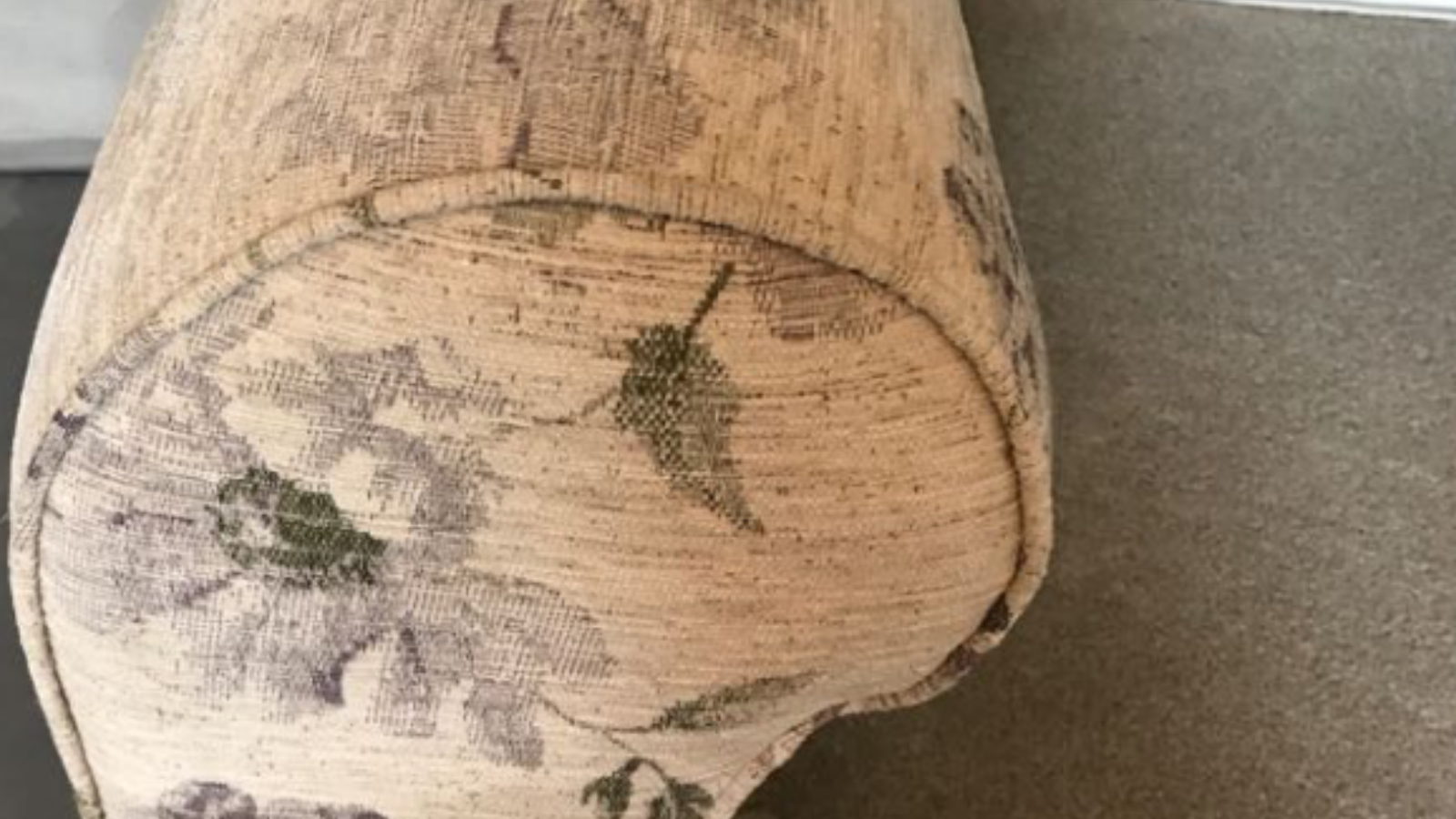
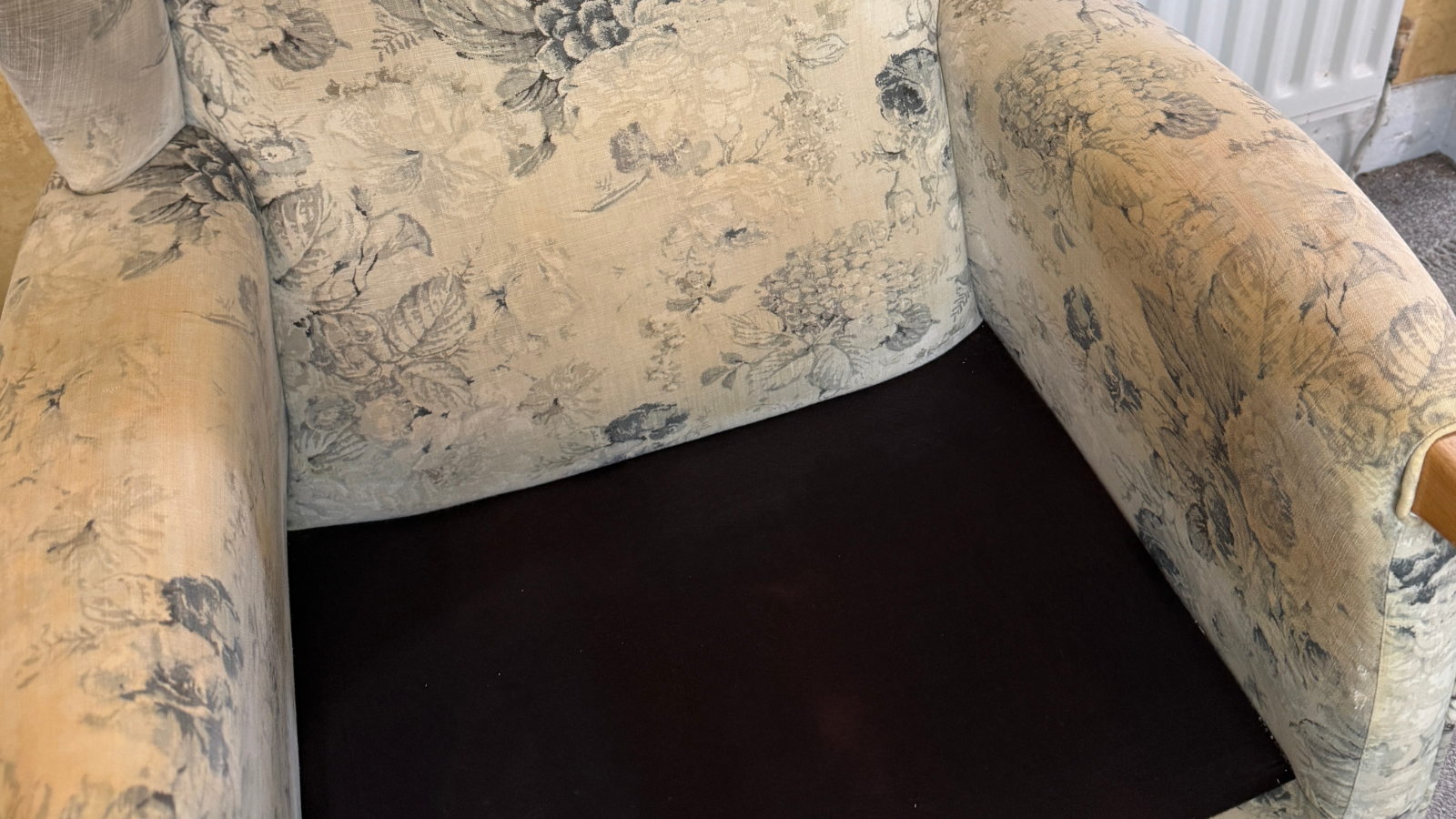
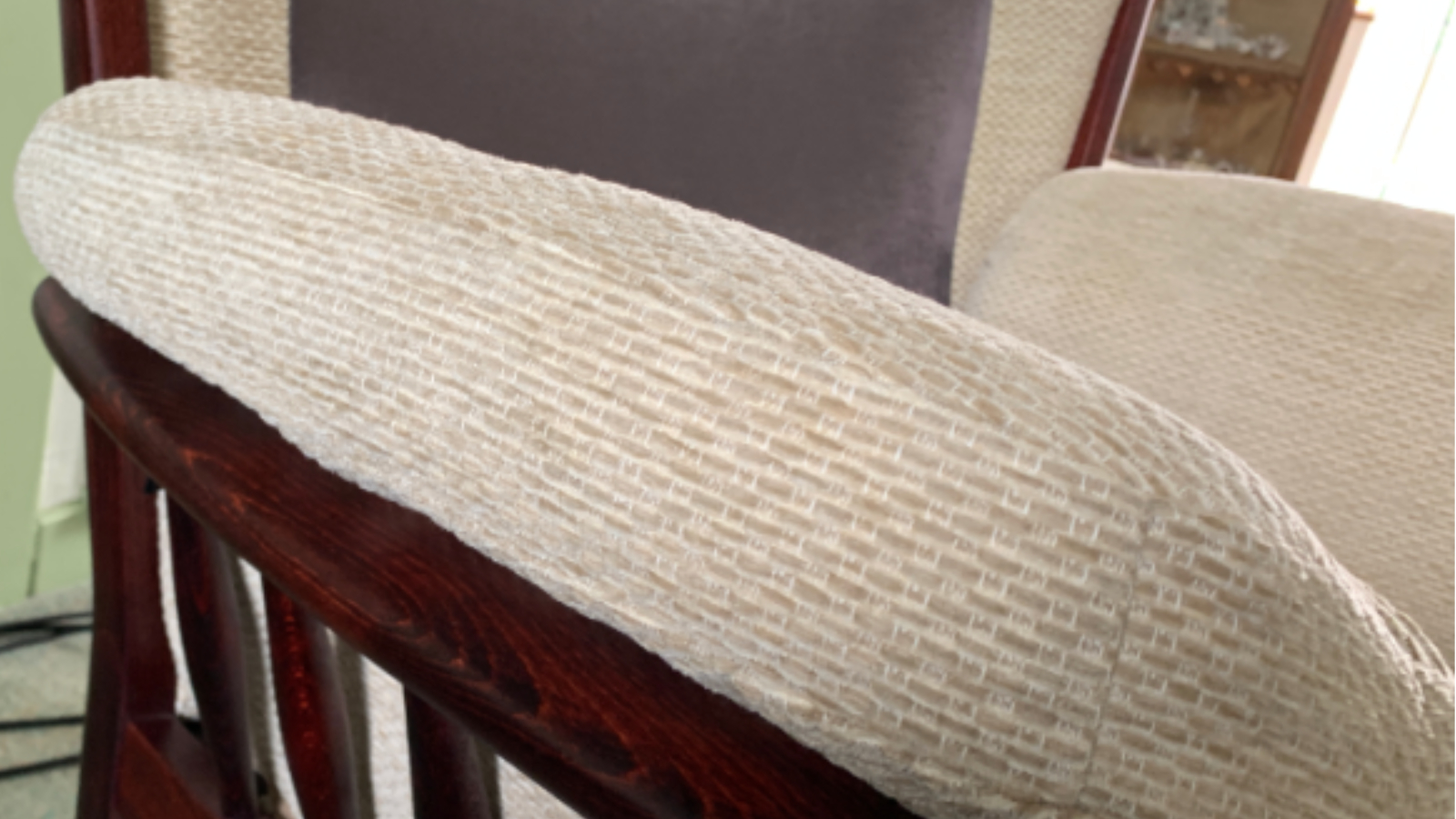
Fabric sofa arm restored after degreasing and low-moisture upholstery cleaning in Durham
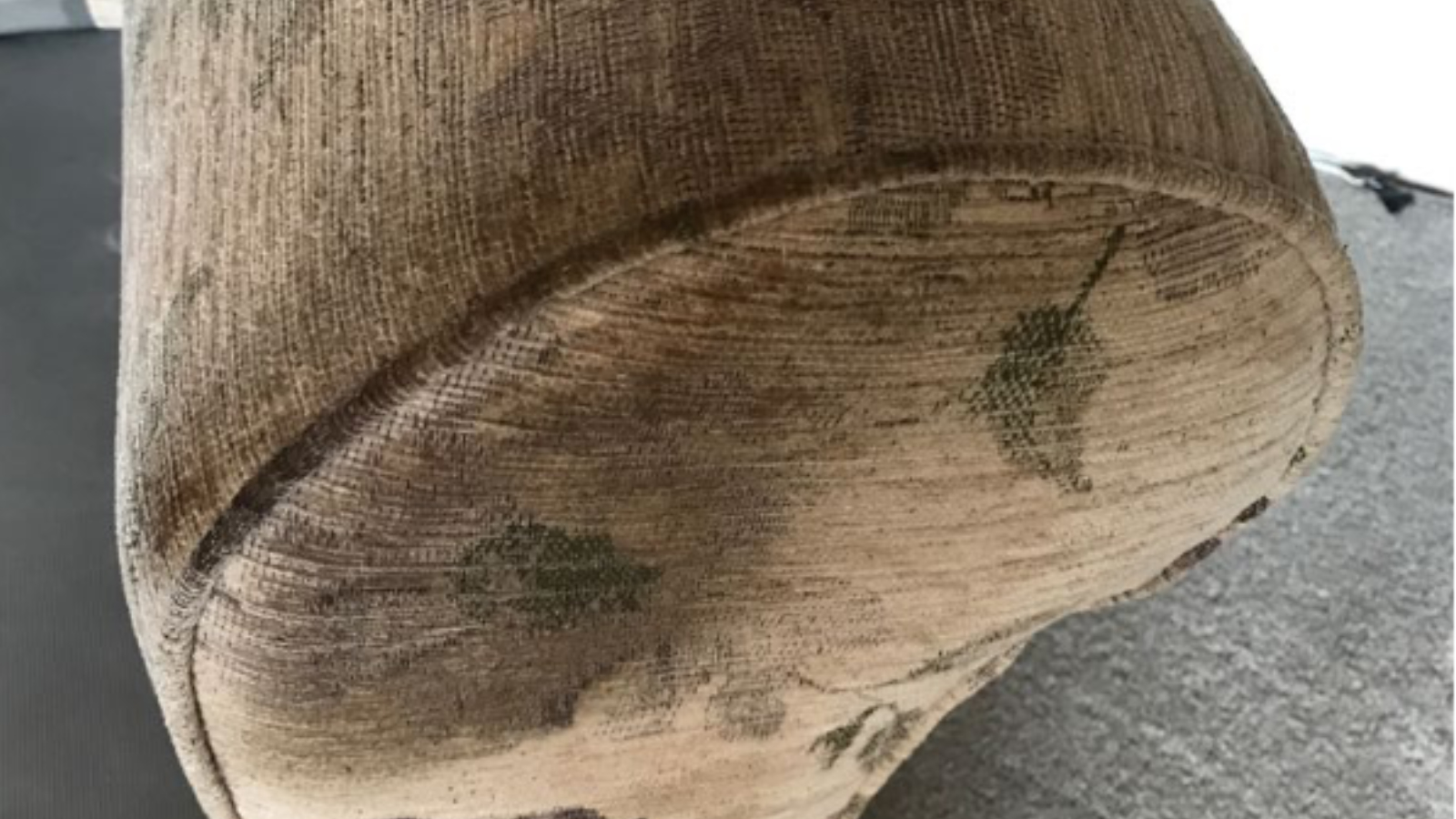
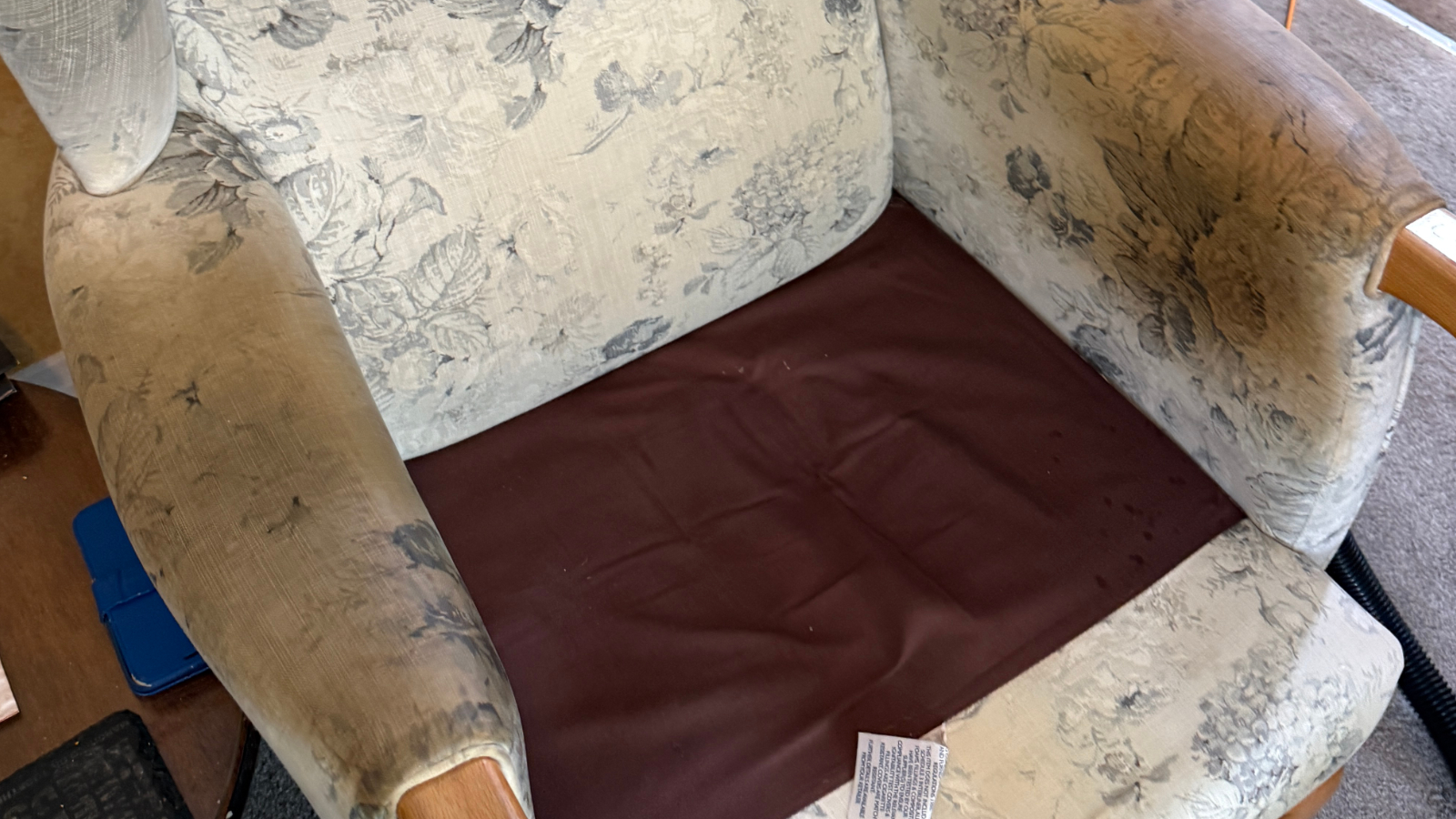
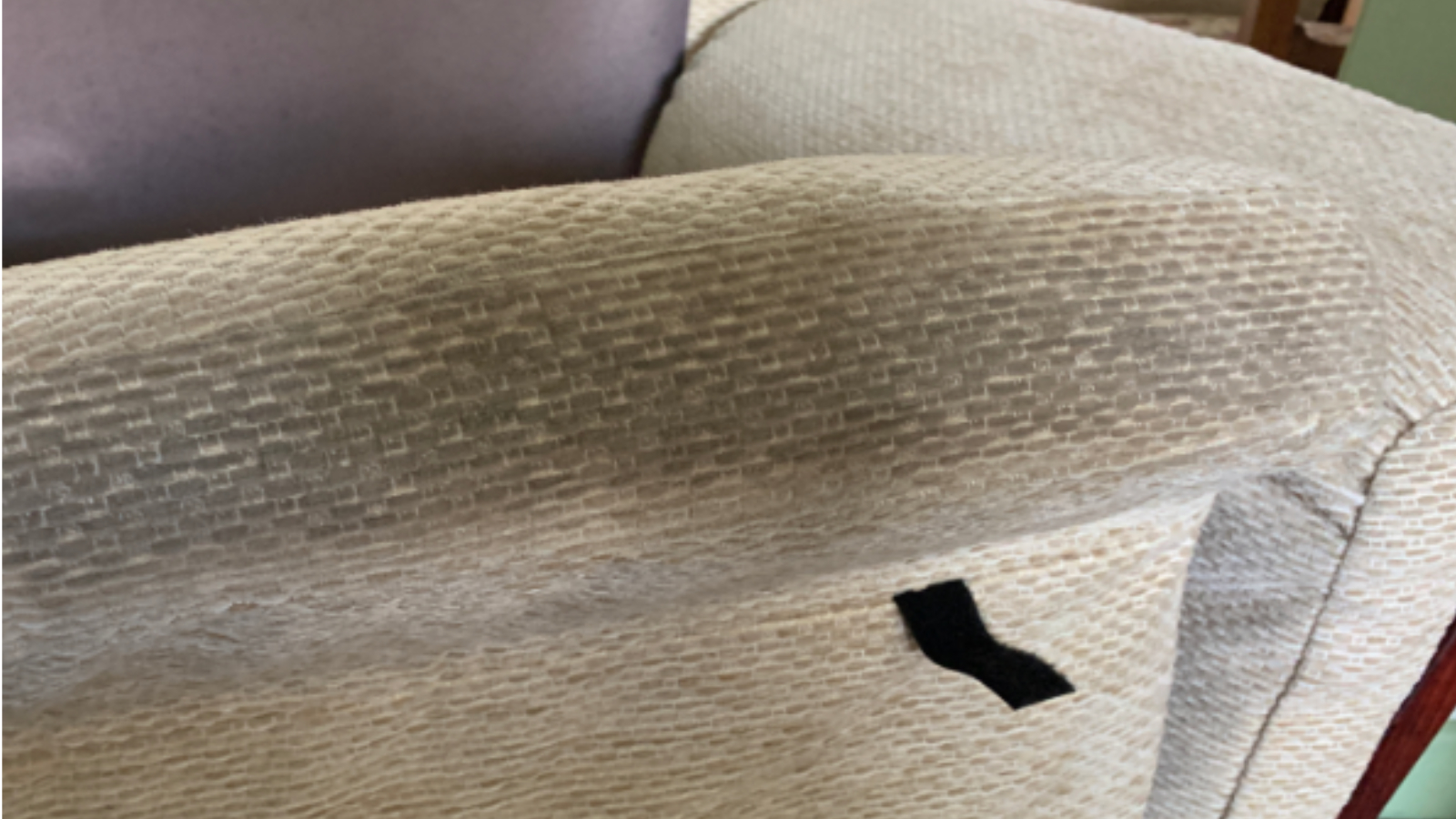
Fabric sofa arm with heavy body oil and dirt build-up before upholstery cleaning in Durham
Before
After

Fabric sofa arm restoration – Durham

This Durham upholstery project focused on sofa arms that had become much darker than the surrounding fabric through normal everyday use. Repeated contact from hands and arms had allowed body oils, grease, dust and general contamination to build up over time, leaving the customer unsure whether the furniture could be restored without replacement. After full vacuuming, targeted degreasing treatment, agitation and low-moisture dry foam upholstery cleaning, the heavy soiling was removed and the arm returned to a much cleaner, more even appearance.

Durham

Fabric sofa arm restored after degreasing and low-moisture upholstery cleaning
Fabric sofa arm with heavy body oil and grease build-up before upholstery cleaning
Before
After

Fabric sofa restoration after body oil build-up

This fabric sofa had developed significant darkening on the arms after years of body oils, skin contact, grease and everyday use. The affected areas had become noticeably darker than the rest of the suite and were starting to look permanently stained. After thorough vacuuming, targeted degreasing treatment and low-moisture dry foam upholstery cleaning, the sofa returned to a much cleaner, brighter and fresher condition without the need for replacement.

North East England

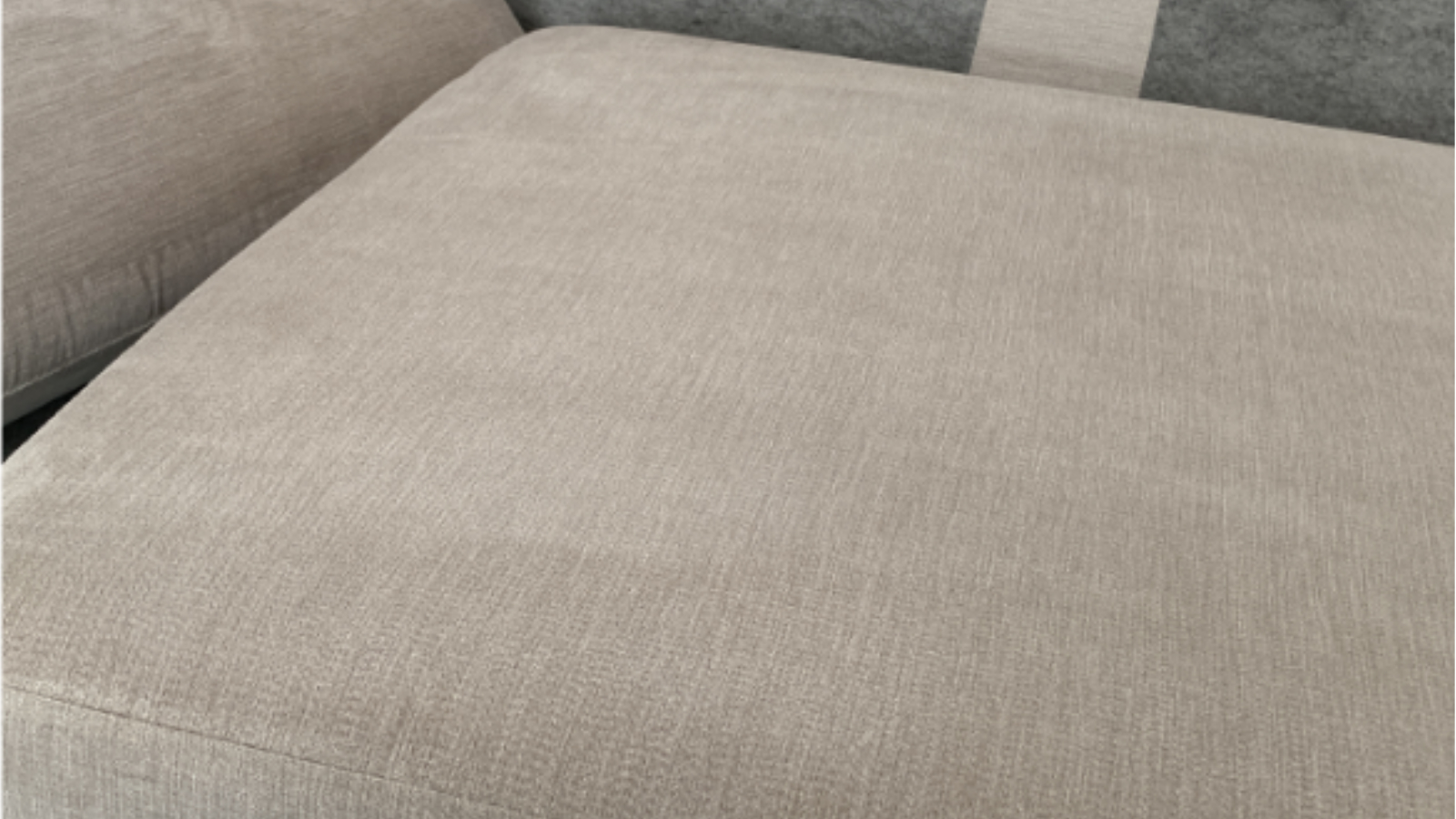
Family fabric sofa after low-moisture upholstery cleaning removed water marks and staining
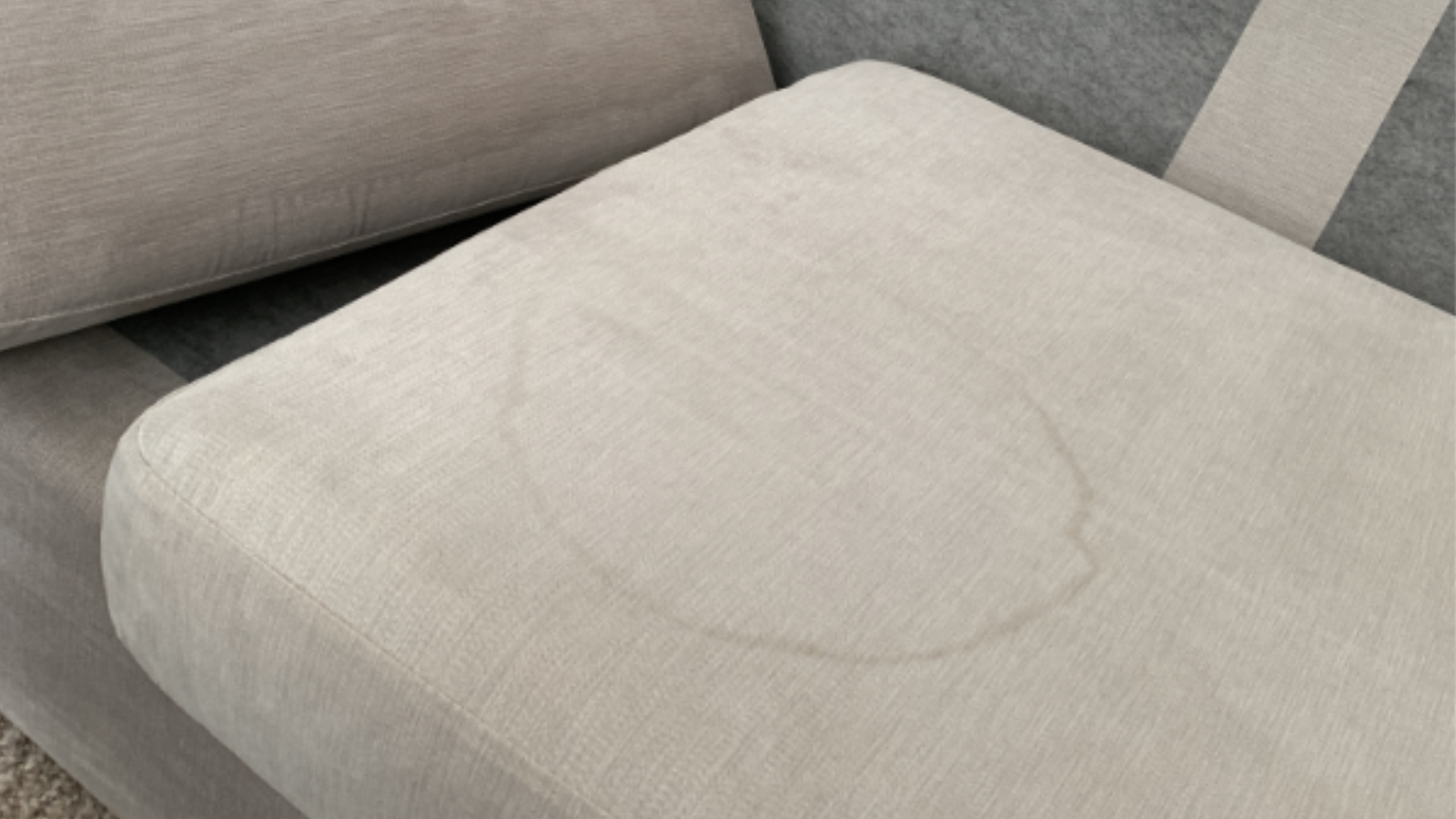
Family fabric sofa with visible water marks and staining before upholstery cleaning
Before
After

Family fabric sofa water mark removal

This family fabric sofa had developed visible water marks, spill marks and staining caused by normal day-to-day use. Drinks, food, sweets and minor accidents had gradually left obvious marks across the cushions, leading the customer to worry that the fabric had been permanently damaged. After thorough vacuuming, careful cushion-by-cushion cleaning, targeted stain treatment and low-moisture upholstery cleaning, the suite returned to a much cleaner and more even appearance without the need for replacement.

North East England

Fabric armchair after upholstery cleaning and sanitisation in Durham with major contamination removed
Heavily stained fabric armchair before upholstery cleaning and sanitisation in Durham
Before
After

Heavily stained armchair restoration – Durham

This Durham upholstery project involved a heavily used fabric armchair carrying years of body oils, grime, organic staining and deep soiling across both arms and the main seating areas. The customer wanted to improve the appearance of the chair and have it professionally cleaned and sanitised, while understanding from the outset that complete stain removal could not be guaranteed because of the age and severity of the contamination. After inspection, vacuuming, specialist pre-treatment, agitation, hot water extraction and an oxidising treatment, the chair was left much cleaner, fresher and significantly improved in appearance, even though some long-term staining remained.

Durham

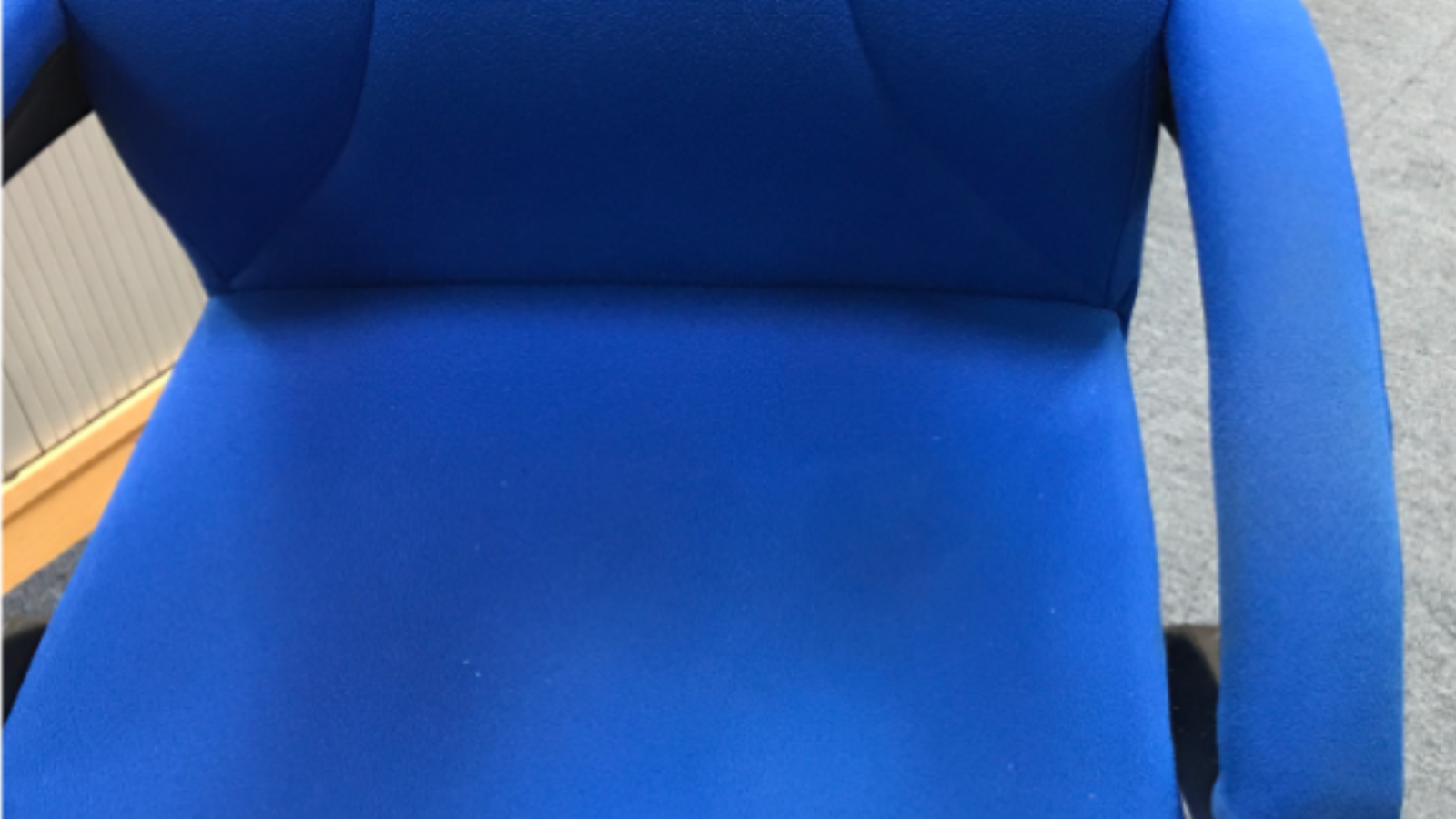
Office chairs in a Rainton Bridge call centre after weekend cleaning improved presentation
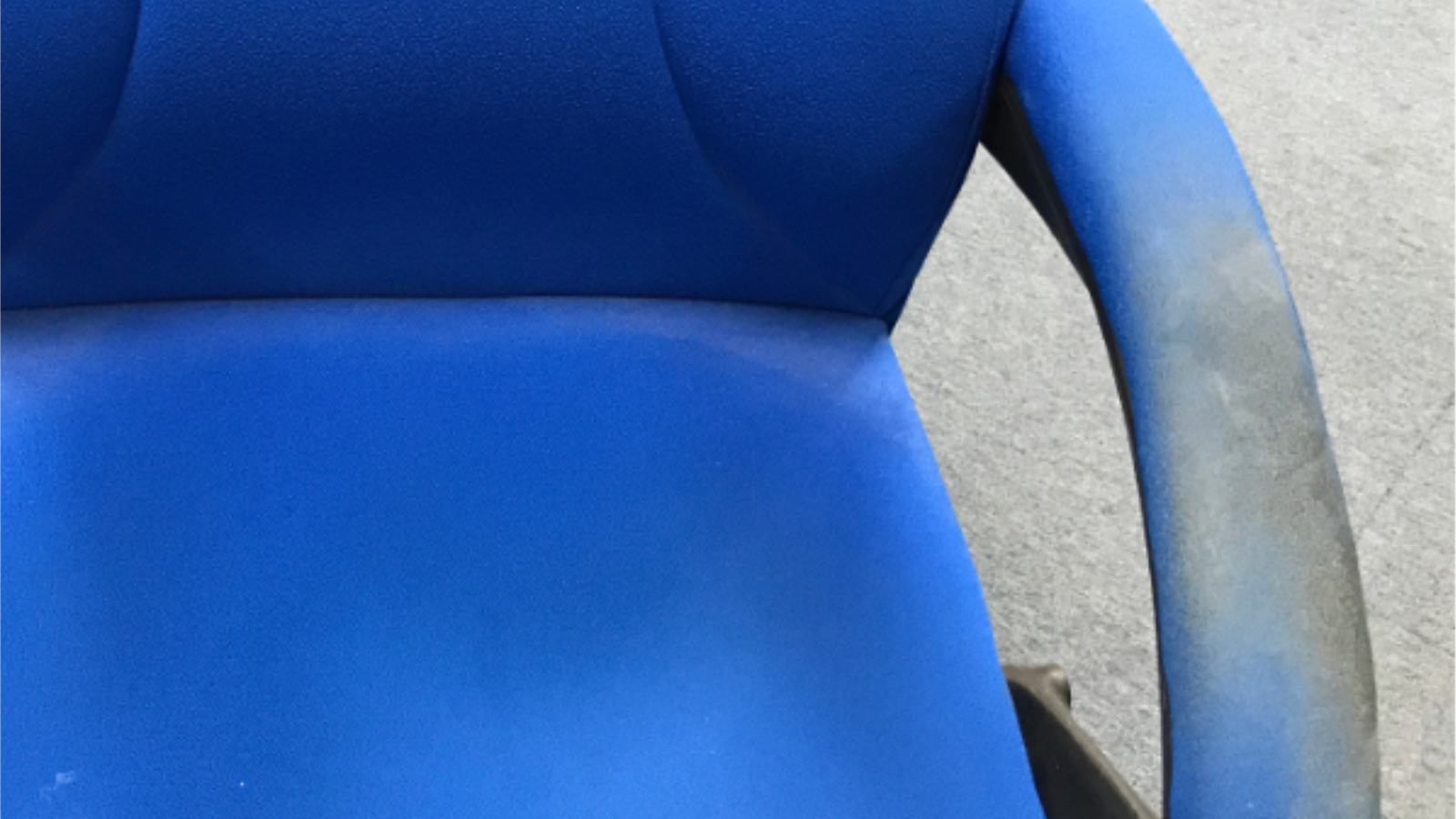
Grubby office chairs in a Rainton Bridge call centre before weekend commercial cleaning
Before
After

Weekend Office Carpet, Corridor and Chair Cleaning at a 400m² Call Centre in Rainton Bridge

This project involved a full 400 sq m call centre clean in Rainton Bridge, Tyne and Wear, covering office chairs, carpet tiles and corridor carpet across the suite. The work was completed over the weekend while the call centre was closed, giving easier access to desks, seating and circulation areas while reducing downtime for the business. The result was a cleaner, more even presentation for staff and visitors when the office reopened.

Rainton Bridge, Tyne and Wear

Before quoting

What helps us advise properly.

A better upholstery quote starts with better information. Photos are useful because they help us understand the fabric, labels, staining, wear and whether an in-person suitability check is likely to be worthwhile.

What we'd check first

The problem changes the advice.

Dark sofa arms, pet odour, water marks, office chair grime and an older worn suite all need different expectations before cleaning begins.

  • Photos of the sofa, chair or commercial seating.
  • Fabric label or cleaning-code photo if available.
  • Main issue, such as general soiling, stains, body oils, pet odour or drying time.
  • Approximate age, condition and previous cleaning attempts.
  • Whether the furniture is domestic, rental, office, hospitality or shared seating.
  • Access, timing and return-to-use needs for commercial work.

For commercial seating, we also need to understand access, quantities, drying expectations and whether the work should be planned alongside carpet or floor cleaning.

Questions we hear

Practical questions before booking

These are the kinds of questions people often ask before booking upholstery cleaning, especially when they are worried about fabric safety, drying time, stains or whether the furniture is worth cleaning.

Can you tell if my sofa can be cleaned from photos?

Photos can help us understand the item, fabric label, staining and condition. They do not replace an in-person suitability check, but they are often enough to give sensible first advice.

How soon can we use the sofa afterwards?

That depends on the fabric, cleaning method, cushion density, room temperature and ventilation. Low-moisture cleaning can reduce drying time where suitable, but we would rather give a realistic expectation than a fixed promise.

Is the darkening on sofa arms removable?

Often it can be improved where the darkening is body oil and everyday contamination. If the fabric is worn, faded or damaged, the result may be limited.

Can you clean office chairs or reception seating?

Yes, where the fabric and condition are suitable. For commercial seating we also consider access, numbers of chairs, drying time, opening hours and whether other surfaces should be cleaned at the same time.

Should I clean or replace the furniture?

If the frame, fabric and cushions are still in reasonable condition, cleaning may be worthwhile. If the issue is severe wear, failed filling, torn fabric, heavy urine contamination or colour damage, another option may be more honest.

Useful content

Useful guides and recent projects

More practical advice, local guidance and real examples connected to upholstery cleaning, fabric safety and realistic results.

Useful guides

Upholstery Cleaning Durham

Upholstery cleaning

Dust Mites Explained

Mattress cleaning

Mattress Care Guide

Mattress cleaning

Mattress Drying Time Guide

Mattress cleaning

Care Home Mattress Cleaning Guide

Mattress cleaning

Hotel Mattress Cleaning Guide

Mattress cleaning

Memory Foam Mattress Cleaning Guide

Mattress cleaning

Sweat Stain Mattress Cleaning Guide

Mattress cleaning

Urine Stain Mattress Cleaning Guide

Mattress cleaning

Airbnb Mattress Cleaning Guide

Mattress cleaning

Can Mattresses Be Professionally Cleaned?

Mattress cleaning

Mattress Cleaning for Landlords

Mattress cleaning

Mattress Odour Removal Guide

Mattress cleaning

Mattress Stain Removal Guide

Mattress cleaning

Leather Sofa Cleaning Guide

Leather cleaning

Commercial Upholstery Cleaning Guide

Upholstery cleaning

Fabric Protection Guide

Upholstery cleaning

Upholstery Aftercare Guide

Upholstery cleaning

Upholstery Cleaning Pricing Guide

Upholstery cleaning

Sofa Cleaning vs DIY: When To Call A Professional

Upholstery cleaning

Body Oils and Greasy Armrests Cleaning Guide

Upholstery cleaning

Can You Steam Clean a Fabric Sofa?

Upholstery cleaning

Dining Chair Cleaning Guide

Upholstery cleaning

Dry Foam Upholstery Cleaning Guide

Upholstery cleaning

Low-Moisture Upholstery Cleaning Guide

Upholstery cleaning

Mattress Cleaning Guide

Mattress cleaning

Microfibre Sofa Cleaning Guide

Upholstery cleaning

Office Chair Cleaning Guide

Upholstery cleaning

Pet Odour Sofa Cleaning Guide

Upholstery cleaning

Upholstery Cleaning Codes Guide

Upholstery cleaning

Velvet Sofa Cleaning Guide

Upholstery cleaning

Coffee Stain Removal Guide

Carpet cleaning

Fabric Sofa Cleaning Guide

Upholstery cleaning

Red Wine Stain Removal Guide

Carpet cleaning

Cream Leather Sofa Cleaning In Birtley

Leather cleaning

When to Book Upholstery Cleaning Before Hosting or Relaunching a Space

Upholstery cleaning

How to Maintain Commercial Carpets

Commercial cleaning

Commercial Upholstery Cleaning

Commercial cleaning

What Upholstery Stains Cannot Be Removed?

Upholstery cleaning

How Often Should Upholstery Be Professionally Cleaned?

Upholstery cleaning

How Long Does Upholstery Take To Dry?

Upholstery cleaning

Can Pet Odours Be Removed From Upholstery?

Upholstery cleaning

Can My Sofa Be Cleaned Or Does It Need Replacing?

Upholstery cleaning

Service FAQs

Questions about upholstery cleaning

The questions below cover the things we're asked most often before booking, including likely results, drying times, suitability and what to expect from the process.

What is professional upholstery cleaning? +

Professional upholstery cleaning is the assessment and cleaning of suitable fabric sofas, chairs and soft furnishings using methods chosen around the fabric, condition and soiling. It may include inspection, testing, vacuuming, stain treatment, low-moisture cleaning, dry foam cleaning or extraction where suitable.

How long does upholstery cleaning take to dry? +

Drying time depends on the fabric, cleaning method, level of soiling, cushion density, room temperature and ventilation. Low-moisture upholstery cleaning often dries faster than wetter methods, but no single drying time applies to every sofa or chair.

Can all sofas be professionally cleaned? +

No. Many fabric sofas can be cleaned, but some fabrics, cleaning codes, dye issues, existing damage or previous cleaning attempts can make cleaning unsuitable or higher risk. Assessment should come before any method is recommended.

Can upholstery cleaning remove stains? +

Many stains can be removed or improved, but stain removal cannot be guaranteed. Results depend on the cause of the mark, how long it has been there, fabric type, dye stability and whether the fabric has been permanently damaged.

Can upholstery cleaning remove pet odours? +

Pet odours can often be improved and may be removed where contamination is mainly in the fabric surface. Deeper urine contamination in foam, fillings or inner layers is more difficult and may not be fully removable through surface cleaning.

What do upholstery cleaning codes mean? +

Cleaning codes such as W, S, WS and X give guidance on how a fabric may be cleaned. They help with method choice, but they do not replace professional assessment, colourfastness testing or judgement about the condition of the item.

Can upholstery shrink if it is over-wet? +

Yes, some upholstery can shrink, distort, brown or dry slowly if too much moisture is used. This is one reason controlled-moisture methods and fabric suitability checks are important.

Is low-moisture upholstery cleaning suitable for my sofa? +

It may be suitable if the fabric, soiling and condition are appropriate. Low-moisture or dry foam cleaning can be useful for many sofas and chairs, but the item should still be assessed before deciding.

Do you clean dining chairs and office chairs? +

Yes, suitable dining chairs, office chairs, meeting room chairs and reception seating can be professionally cleaned. Commercial seating may need planning around access, drying time and disruption.

When is upholstery cleaning not the right option? +

Cleaning may not be the right option where fabric is torn, badly worn, sun-faded, colour-damaged, affected by severe urine contamination, marked as X or vacuum-only, or where the problem is structural rather than soiling.

Related services

Related work that is often booked at the same time.

Many homes and workplaces need more than one surface dealt with, so these linked services are here to help you compare the right combination.

Ready when you are

Need upholstery cleaning in the North East?

Send over a few details or give us a ring. We can then advise on the likely treatment, the expected result and whether the timing works for the way the space is used.

Call WhatsApp Quote