Fabric Sofa Arm Restoration – Removing Built-Up Oils and Everyday Soiling in Durham
The customer contacted us because the sofa arms had become visibly darker than the surrounding upholstery.
The staining had developed gradually through normal everyday use. Repeated contact from hands and arms had allowed body oils, grease, dust and general contamination to build up in the fabric, and the customer wanted to know whether the discolouration could be removed without replacing the furniture.
The problem
The main issue was concentrated on the arm sections rather than spread evenly across the whole suite.
That is a very common pattern on fabric sofas. The contact areas take the most use, so they often start to look darker and dirtier long before the rest of the upholstery appears tired.
By the time the contrast becomes obvious, many people assume the fabric has been permanently stained when the main problem is actually accumulated contamination.
Why sofa arms become dirty
Fabric sofa arms often become the dirtiest part of a suite because they receive constant skin contact.
That means they gradually collect natural body oils, hand creams, dust, airborne contamination and general day-to-day soiling.
Over time, those small amounts of residue build up until the fabric becomes noticeably darker than the adjacent seating and back cushions.
Assessing the upholstery
This type of staining is extremely common, so the first step was assessing whether the darkening looked like removable oily contamination rather than permanent dye damage or wear.
The suite was still in sound condition overall, which made restoration worth attempting.
That distinction matters because cleaning can remove built-up soil and grease, but it cannot reverse genuine fabric wear or structural damage.
The cleaning process
The first stage was full upholstery vacuuming to remove dust, debris, hair and loose contamination from the fabric and seams.
Once the dry soil had been reduced, the arm sections were pre-treated using a specialist degreasing solution designed to break down oily build-up.
The solution was then worked into the fabric to help loosen the embedded soiling before the suite was cleaned using our preferred low-moisture dry foam upholstery cleaning system.
A final grooming and controlled drying stage helped leave the fabric cleaner, fresher and more even in appearance.
Why low-moisture cleaning works well on fabric upholstery
Low-moisture upholstery cleaning works well on many fabric suites because it allows deep cleaning without saturating the furniture.
That helps with shorter drying times, reduced risk of over-wetting and a lower chance of wick-back, where hidden contamination rises back to the surface as the fabric dries.
For heavily used sofa arms, that more controlled approach is often a practical way to improve appearance while keeping the process sensible for everyday homes.
Project photographs
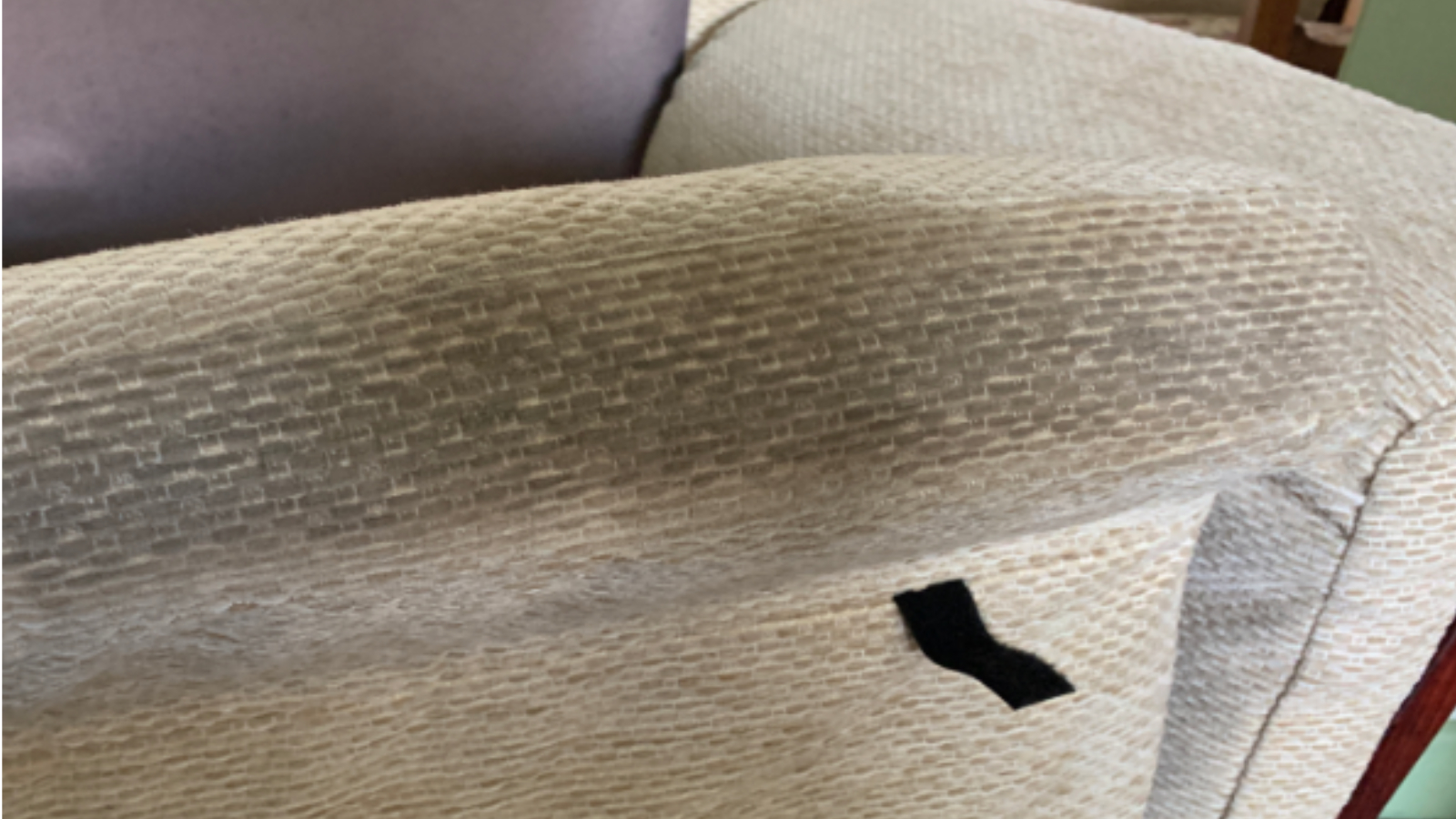
Before cleaning: heavy body oil and dirt build-up had left the sofa arm noticeably darker than the surrounding fabric.
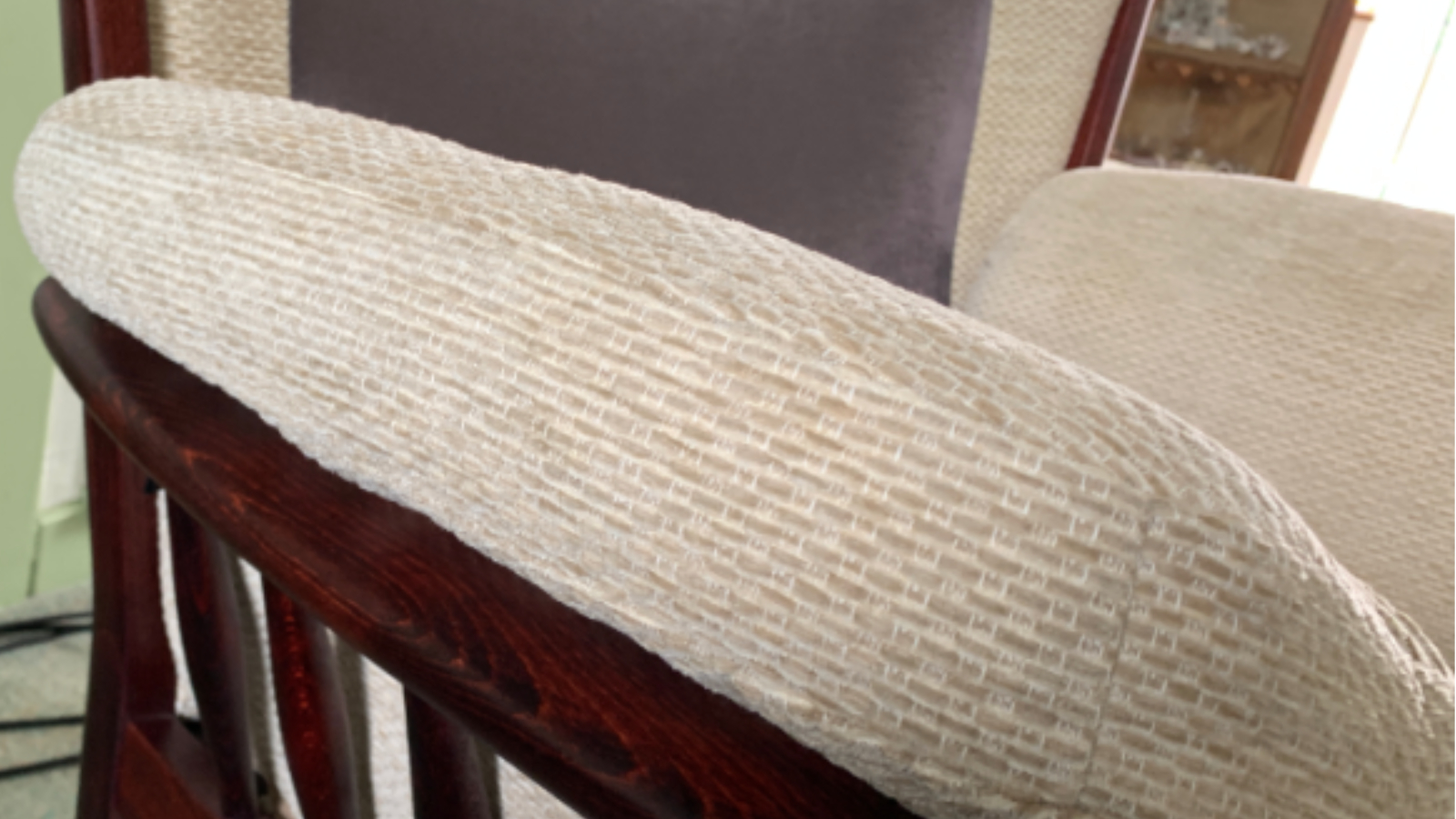
After cleaning: specialist upholstery cleaning and degreasing restored a much cleaner, more even result.
The final result
The heavy build-up of body oils and dirt was successfully removed.
The sofa arm returned to a much lighter and cleaner appearance and matched the surrounding upholstery far more closely.
The result showed that the suite did not need replacing. The main issue was years of gradual contamination rather than irreversible damage.
Can dark sofa arms usually be cleaned?
Often, yes.
Not every sofa will come back perfectly, but dark arm build-up is one of the most common problems we see and it often responds well when the fabric is otherwise sound.
That is why it is worth getting an honest opinion before assuming replacement is the only sensible option. Our Family Fabric Sofa Restoration After Water Marks and Everyday Family Stains case study shows a different example of upholstery that looked permanently marked but still cleaned up well.
Keeping upholstery cleaner for longer
Sofa arms tend to show repeat build-up first, so regular vacuuming and dealing with marks early can help slow that process down.
If a suite is already looking darker on the contact areas, our guide Can My Sofa Be Cleaned Or Does It Need Replacing? explains how we usually assess that decision, and When to Book Upholstery Cleaning Before Hosting or Relaunching a Space covers the practical side of timing and room use.
If you are dealing with a similar sofa in Durham or the surrounding area, our Durham area page and upholstery cleaning page explain the kind of work we carry out and what results are usually realistic. Send a few photos over and we can advise on whether cleaning is likely to be the sensible next step.