Skip to content
Safespace North East specialists
Menu
Commercial resilient floor restoration

Resilient Floor Restoration

Assessment-led resilient floor restoration for suitable commercial vinyl, safety flooring, LVT, linoleum and other resilient floors across County Durham and the North East.

North East coverage Specialist equipment Fast drying where applicable
Resilient Floor Restoration
Assessment-led advice on whether cleaning, restoration, recoating or replacement is most realistic.
Suitable for commercial vinyl, safety flooring, LVT, linoleum, compatible rubber and PVC floors where condition allows.
Helps organisations consider appearance, disruption, ongoing maintenance and restore-versus-replace decisions before spending on replacement.
Resilient floor restoration

A specialist route for commercial floors that need more than routine cleaning.

Safe Space Cleaning assesses and restores suitable resilient floors across County Durham and the North East, including commercial vinyl, safety flooring, LVT, linoleum, Marmoleum, compatible rubber and PVC flooring.

When a floor looks dull, patchy, scuffed or difficult to maintain, replacement is not always the first answer. Sometimes the issue is ingrained soil, old coating residue, tired maintenance layers or a surface that may respond to specialist preparation and protective treatment.

The right recommendation depends on the floor in front of us. We look at the flooring type, condition, previous treatments, site use, downtime, expectations and manufacturer compatibility before suggesting cleaning, restoration, recoating or replacement advice.

This service is designed for churches, schools, community buildings, healthcare-adjacent settings, offices, retail spaces, hospitality areas, communal corridors and other commercial premises where appearance and practical disruption both matter.
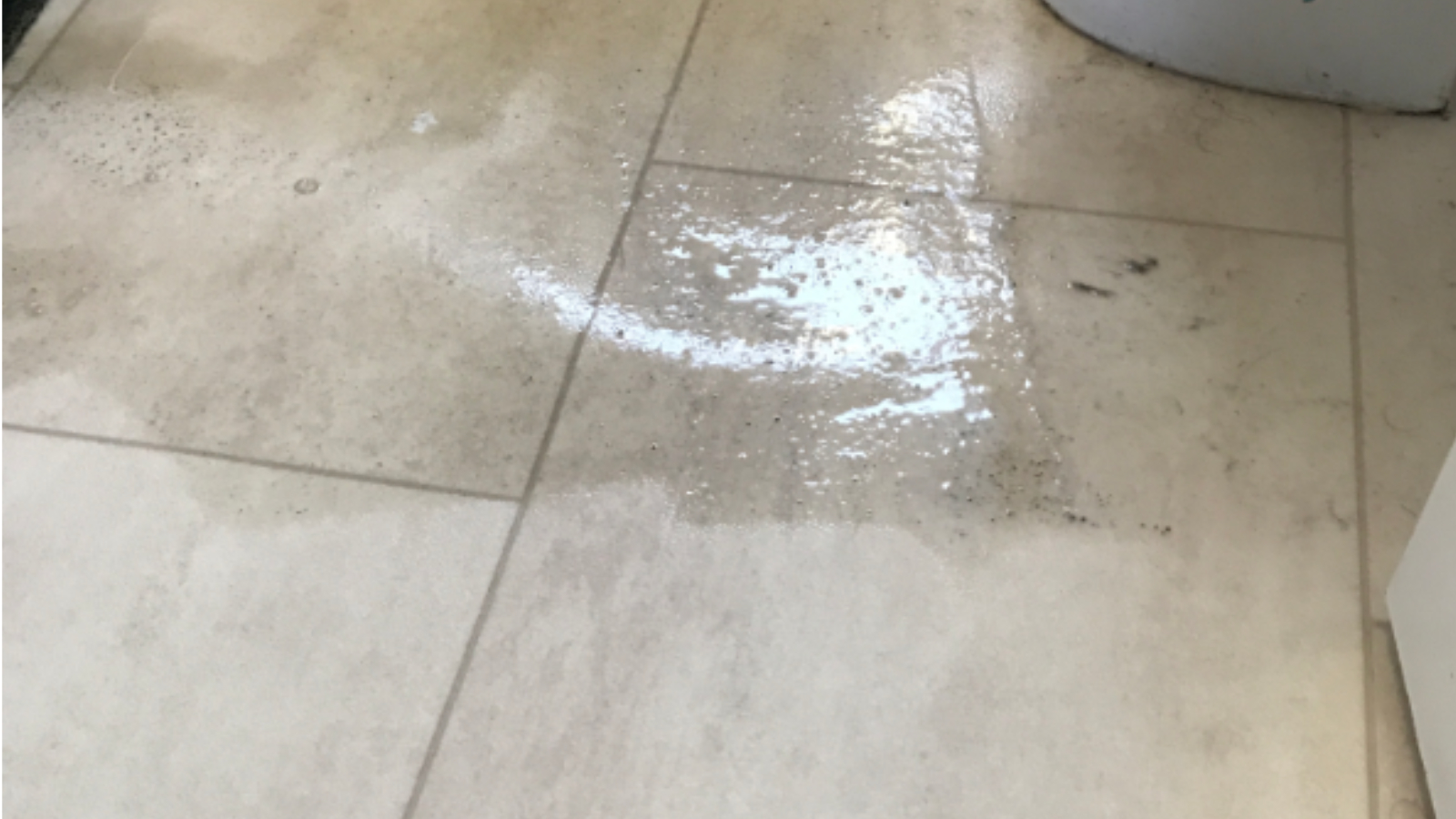
Our view

Restoration starts with suitability, not a product promise.

Some resilient floors can be renewed through specialist preparation and protective treatment. Some only need a better clean. Some are too damaged, unstable or worn for restoration to be the honest recommendation. The assessment decides the route.

What we assess

Why resilient floors become hard to keep presentable.

Resilient flooring is chosen because it is practical, but high-traffic buildings can ask a lot of it. Entrances, corridors, halls, classrooms, treatment rooms and customer-facing areas often show dull traffic lanes, patchy finish, scuffs and residue long before the whole floor has failed.

Why this matters

Cleaning, coating and replacement solve different problems.

If soil and residue are the issue, cleaning may be enough. If the finish has failed but the floor is sound, restoration may be worth exploring. If the floor is lifting, deeply damaged or worn through, replacement or repair advice may be more responsible.

  • Dull traffic lanes in entrances, corridors and halls.
  • Old polish, dressing or maintenance product build-up.
  • Patchy, grey or uneven surface appearance.
  • Scuffs, heel marks and ingrained surface soil.
  • Safety flooring that is harder to clean than expected.
  • Commercial vinyl or LVT affected by heavy use.
  • Floors being considered for replacement because cleaning no longer seems enough.
  • Previous treatments that may affect compatibility with new coatings.

The visible symptom rarely tells the whole story. A tired floor may be contaminated, coated, worn, chemically affected, moisture damaged or simply receiving the wrong routine maintenance.

We separate the surface problem from the floor condition before recommending a method.

Cleaning versus restoration

The method follows the floor condition.

Maintenance cleaning removes soil and residue. Restorative deep cleaning goes further where a floor has become heavily soiled or difficult to maintain. Strip and recoat work may be suitable where old finish or coating needs removing and renewing. Specialist resilient-floor restoration, including a Bona Resilient Floor System pathway where appropriate, is a more detailed assessment-led process for compatible floors where cleaning alone may not deliver the required presentation or maintainability. Replacement remains the right conversation when the floor has failed or expectations cannot be met responsibly.

What we avoid

We do not treat strip-and-seal, Bona RFS, cleaning and replacement as interchangeable labels. Each option has a different purpose, risk profile and suitability test.

Stage 1

Review the enquiry and photographs

We start with photos, floor type if known, site use, floor age, visible wear and what result the organisation needs.

Stage 2

Inspect and identify the floor

Larger or more complex floors may need a site visit so we can check material, adhesion, damage, previous coatings and access constraints.

Stage 3

Separate soil, wear and damage

We identify whether the issue is contamination, old product, surface wear, coating failure, physical damage or a replacement-level floor problem.

Stage 4

Test where appropriate

A small-area test can help confirm whether cleaning, preparation or further restoration is realistic before wider work is agreed.

Stage 5

Recommend the right route

We explain whether maintenance cleaning, restorative deep cleaning, strip and recoat, Bona RFS-related treatment or replacement advice is the best next step.

Stage 6

Prepare and restore suitable floors

Where restoration is suitable, the floor is prepared, cleaned and treated using a method matched to the surface and expected return-to-use.

Stage 7

Control drying or curing

Commercial sites need realistic guidance on access, traffic, drying, curing and when the space can return to normal use.

Stage 8

Hand over aftercare advice

We explain how the floor should be maintained afterwards and whether a planned maintenance programme would help protect the result.

Floor types and settings

Floors and buildings where restoration may be worth assessing.

Resilient floor restoration may be relevant to a range of commercial and public-facing floors, but suitability is always conditional.

Product type, age, wear layer, adhesion, previous coatings, moisture, damage and manufacturer compatibility all affect the recommendation.

Floor types

Commercial vinyl, LVT and PVC

Sheet vinyl, luxury vinyl tile and PVC floors may be suitable for cleaning, preparation and protective treatment depending on condition, installation and previous maintenance history.

Floor types

Safety flooring

Some safety flooring can be improved, but any safety, slip-resistance or compliance question needs careful evidence. We do not promise compliance outcomes from cleaning or coating.

Floor types

Linoleum, Marmoleum and rubber

These surfaces can need a different maintenance conversation from domestic vinyl. Suitability depends on material, finish, site use and compatible product guidance.

Brands and systems

Polyflor, Altro and Bona RFS pathways

Brand names can help identify the floor, but they do not decide the method alone. We assess condition and compatibility before recommending any cleaning, recoating or Bona RFS-related route.

Commercial settings

Churches, schools and public buildings

Halls, corridors, classrooms, community rooms and shared spaces often need practical planning around access, downtime, curing and future maintenance.

Commercial settings

Offices, healthcare-adjacent spaces, retail and hospitality

Customer-facing and high-footfall spaces need a realistic balance between appearance, disruption, return-to-use and ongoing maintenance.

Suitability boundary

Not every resilient floor should be restored.

We may advise against restoration where there are failed seams, lifting edges, deep gouges, moisture issues, substrate problems, worn-through material or unrealistic expectations.

Relevant floor-renewal work

Existing vinyl and LVT examples, without overstating the process.

These examples show relevant vinyl and LVT improvement work. They are not presented as Bona RFS case studies unless the exact treatment is documented.

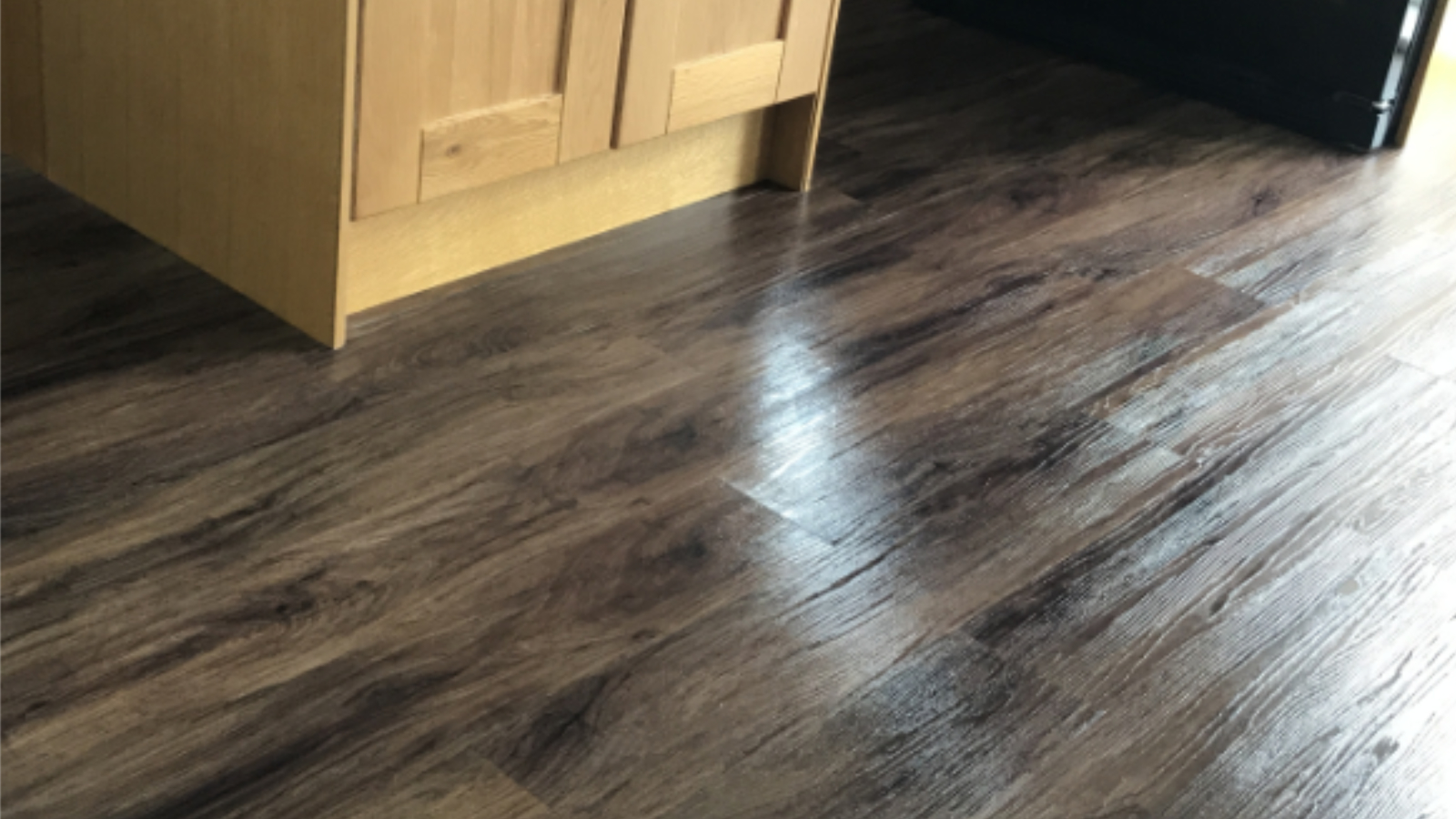
Karndean LVT floor in County Durham

The problem
The floor had become dull through family use, old polish build-up and everyday residues.
What we assessed
The documented route was strip cleaning, deep cleaning and fresh silk-finish polish, not a claimed Bona RFS project.
What we recommended
The floor was suitable for removing old build-up and applying a fresh finish.
What we did
Old finish was stripped, the LVT was deep cleaned and a fresh polish was applied.
The result
The floor had a brighter and more even appearance.

This is useful LVT restoration proof, while Bona RFS-specific proof still needs to be captured separately.

Vinyl floor restoration after renovation work in Sunderland

The problem
Renovation residue, building dust and paint marks were affecting the vinyl surface.
What we assessed
The issue was floor-specific surface contamination rather than a general builders clean.
What we recommended
Targeted vinyl restoration was the proportionate first step.
What we did
Deep cleaning and careful spot treatment were used.
The result
The floor had a cleaner and brighter appearance without replacement.

This supports restore-versus-replace judgement, not a coating claim.

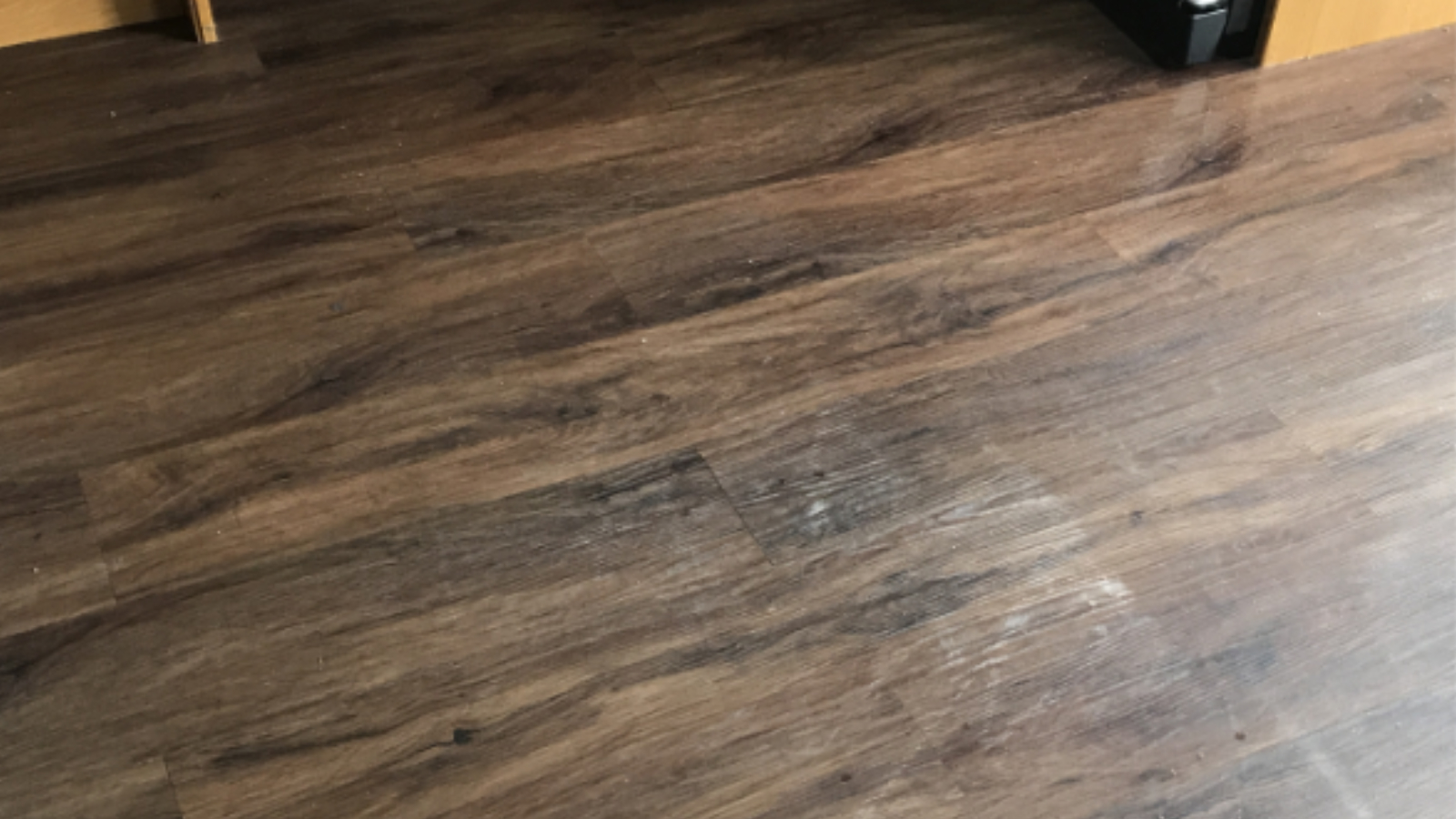
End-of-tenancy LVT floor in a rental property

The problem
A dull LVT plank floor needed better presentation before the property was used again.
What we assessed
The floor was suitable for cleaning and a fresh silk-finish polish.
What we recommended
Cleaning and finishing were appropriate for the condition and objective.
What we did
Deep cleaning was followed by a fresh polish.
The result
The floor had an improved, more presentable finish.

Rental and managed floors often need this kind of practical assessment before replacement is assumed.

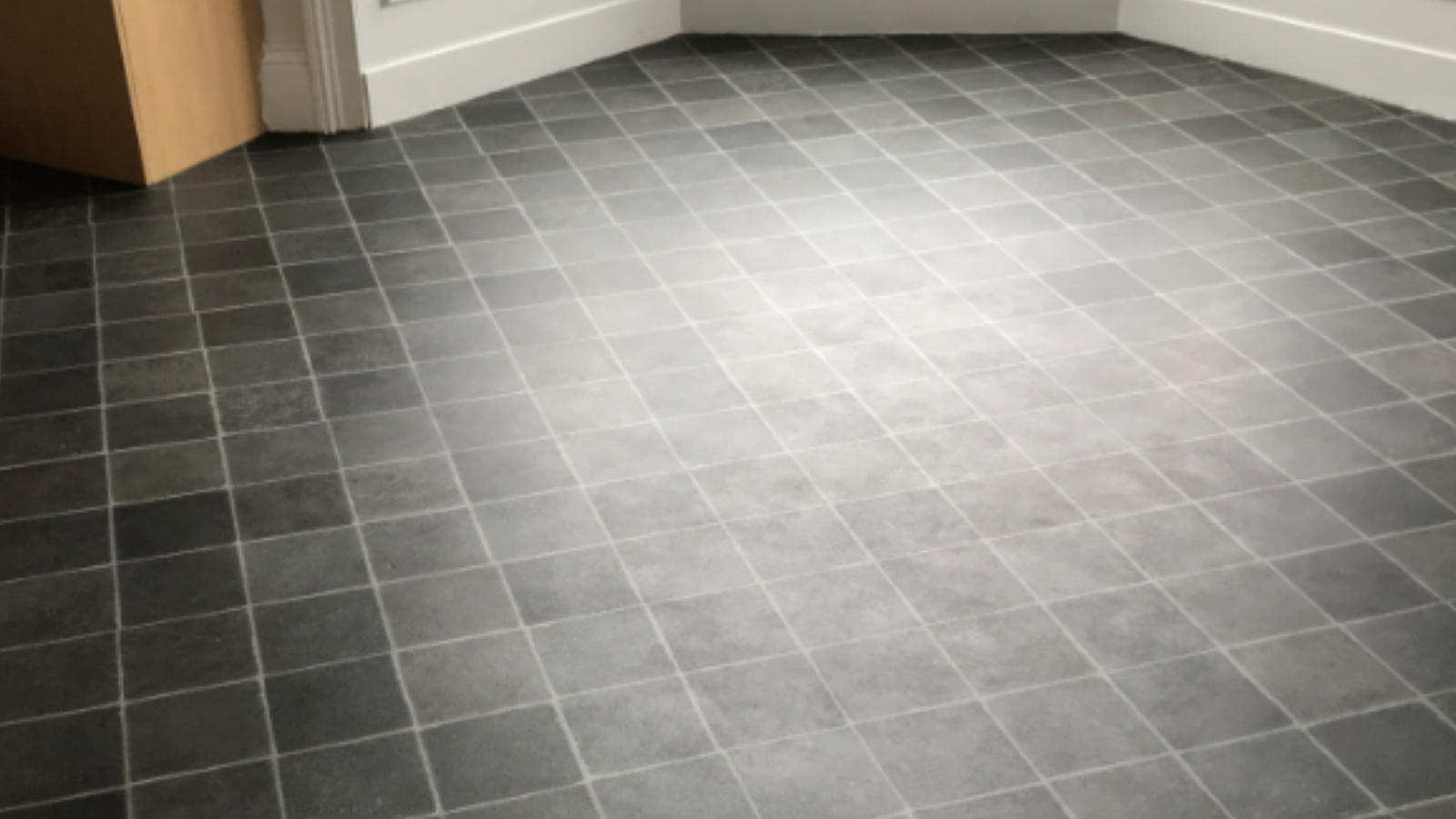
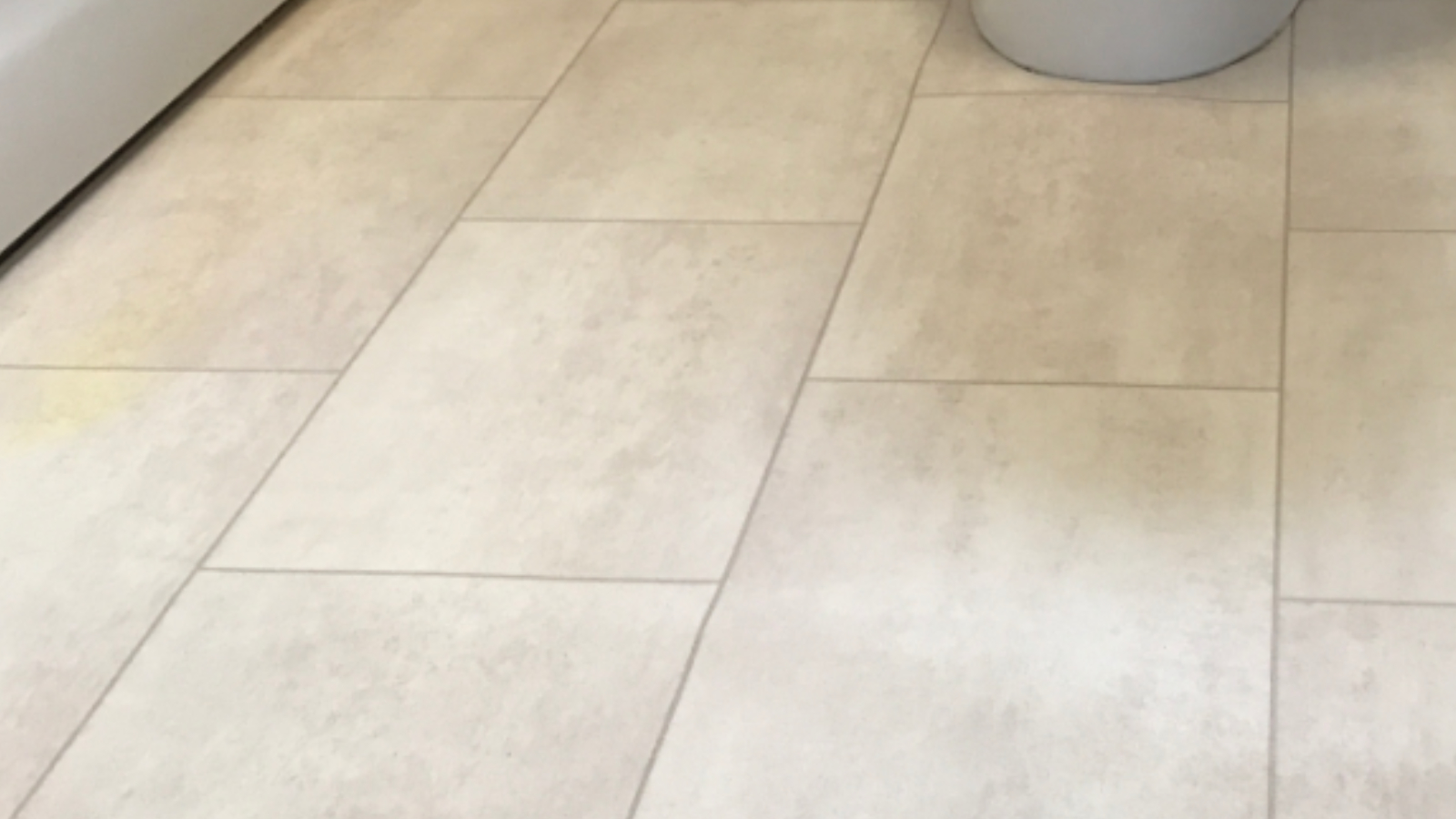
Bathroom vinyl floor in Washington after professional deep cleaning restored a brighter cleaner appearance
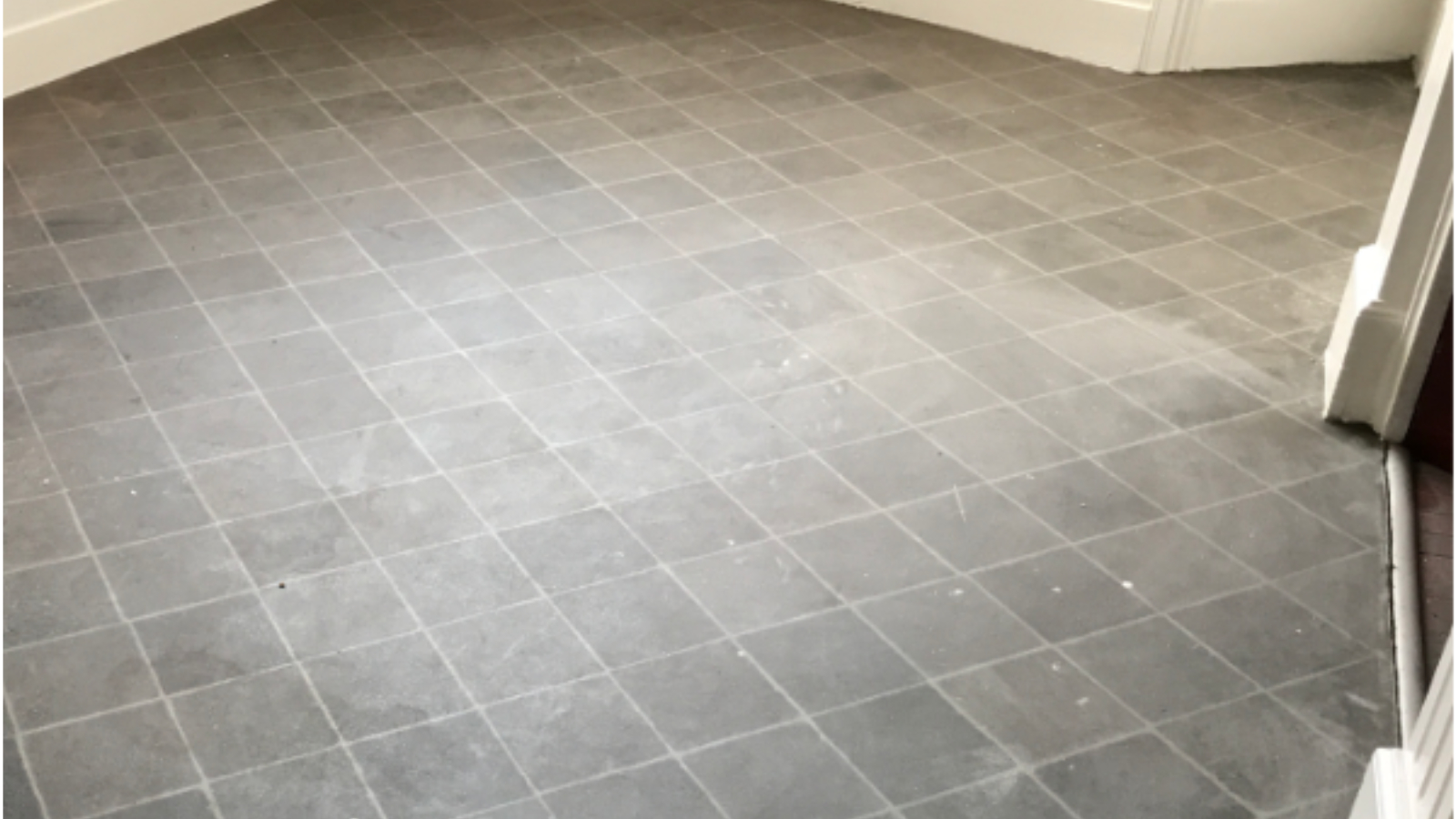
Bathroom vinyl floor in Washington before professional deep cleaning showing dull residue and embedded dirt
Before
After

Bathroom Vinyl Floor Deep Clean in Washington, Tyne & Wear

This residential bathroom vinyl floor in Washington had become dull through grease, cleaning-product residues and everyday contamination that regular mopping could no longer remove. Professional degreasing, agitation and wet extraction restored a cleaner, brighter finish without replacing the floor.

Washington, Tyne and Wear

Vinyl kitchen floor in Sunderland after builders clean contamination was removed and the original appearance restored
Vinyl kitchen floor in Sunderland with paint splashes and renovation residue before professional cleaning
Before
After

Builder's Clean Vinyl Floor Restoration After Renovation Work in Sunderland

This kitchen vinyl floor was cleaned after renovation and decorating work left paint splashes, building dust and construction residue across the surface. Deep cleaning and careful spot treatment removed the contamination and restored a cleaner, brighter appearance without polishing.

Sunderland

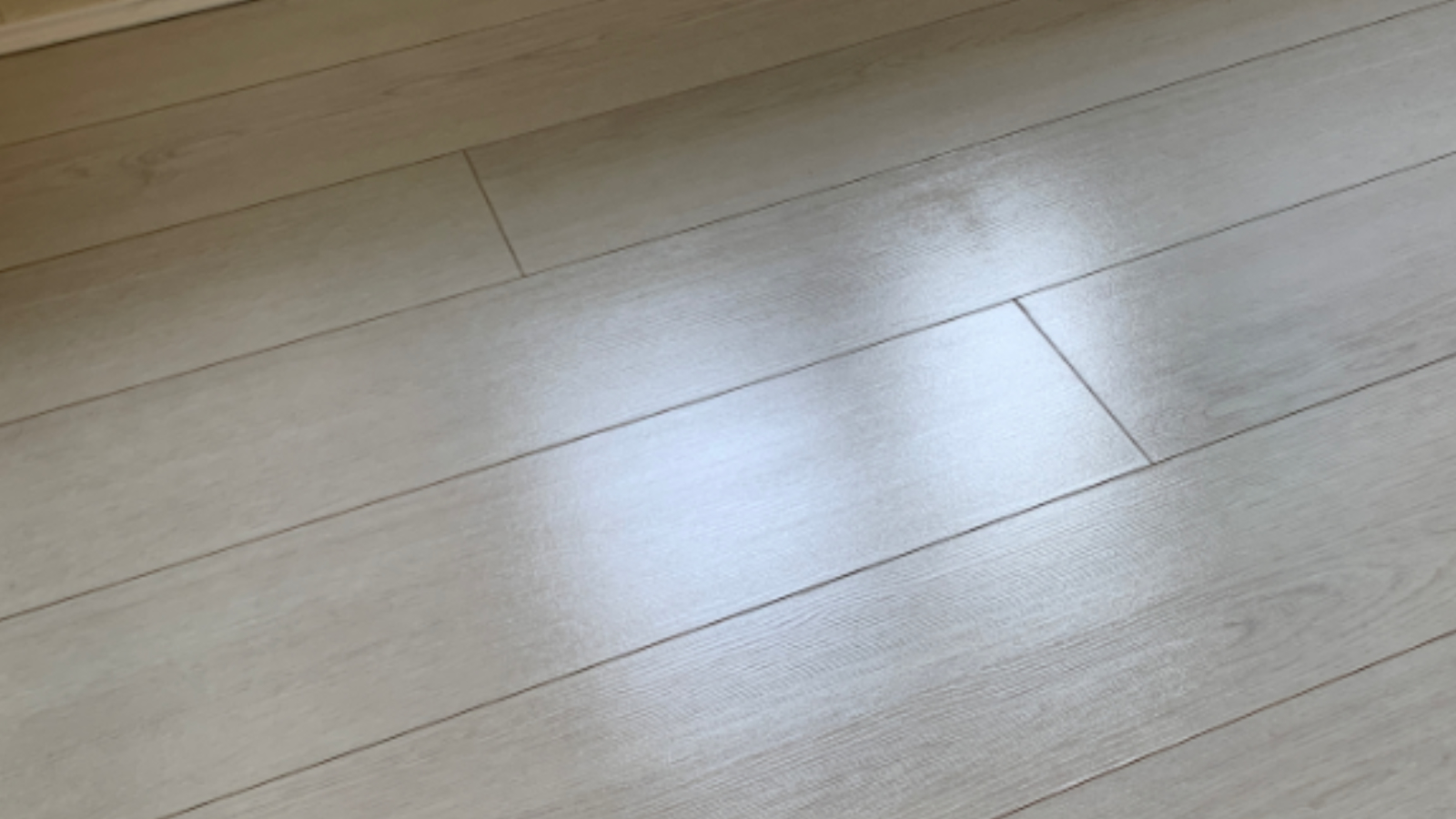
Bedroom LVT floor in a rental property after end-of-tenancy cleaning and polishing restored a cleaner finish
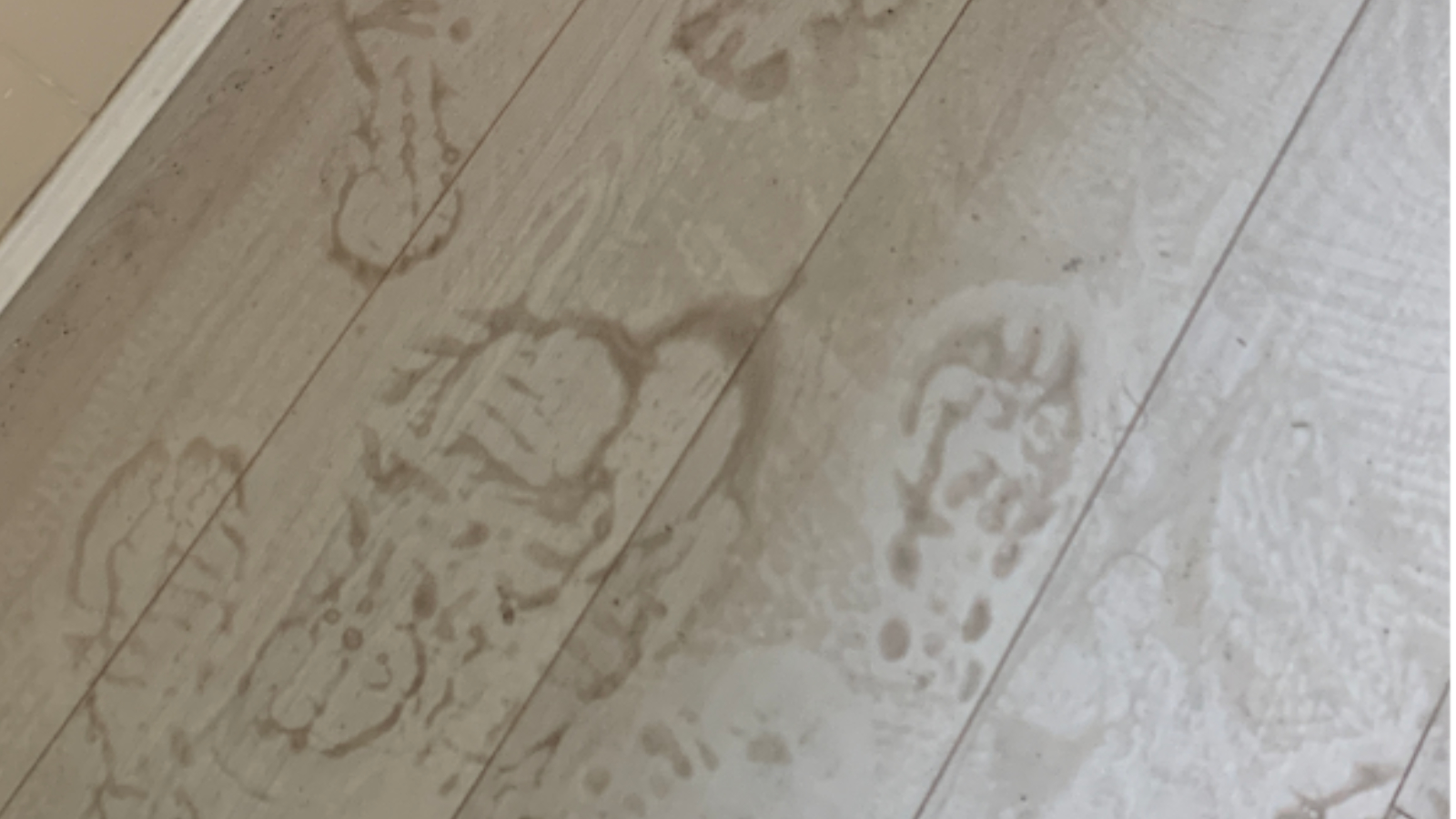
Bedroom LVT floor in a rental property before end-of-tenancy cleaning and polishing
Before
After

End-of-Tenancy LVT Floor Restoration for a Rental Property

This bedroom LVT plank floor had become dull through normal tenant use during a rental tenancy. Deep cleaning followed by a fresh silk-finish polish improved the presentation of the property before viewings and handover to new occupants.

North East England

Karndean LVT floor in County Durham after stripping, cleaning and re-polishing restored a brighter finish
Karndean LVT floor in County Durham before stripping, cleaning and re-polishing
Before
After

Karndean LVT Floor Strip, Clean and Re-Polish in County Durham

This Karndean floor had become dull through normal family use, old polish build-up and everyday residues. Stripping the old finish, deep cleaning the LVT and applying a fresh silk-finish polish restored a brighter, more even appearance.

County Durham

Before we recommend work

What helps us assess a resilient floor properly.

A useful enquiry usually starts with photographs, floor type if known, building use and what has been tried already. For larger commercial floors, a site visit or test area may be needed before a written recommendation is sensible.

Commercial planning

The aftercare plan matters as much as the first result.

A floor that is restored into the same poor maintenance routine can deteriorate quickly. We would rather advise on ongoing cleaning and maintenance before work starts.

  • Floor type or brand if known, such as Polyflor, Altro, Marmoleum, Karndean or Amtico.
  • Photos of traffic lanes, dullness, scuffs, coating failure, lifting edges and damaged areas.
  • Details of old polish, dressing, seal, detergent or previous professional treatments.
  • Whether the building is a church, school, community hall, care setting, office, retail space or hospitality venue.
  • Approximate floor size, access constraints and available downtime.
  • Whether replacement is being considered and what appearance standard is expected.
  • Whether a test area or phased programme would help reduce risk.
  • Who will maintain the floor after restoration.

We also consider how the building will be used after the work. A restored floor without a maintenance plan may return to the same problem if the traffic, cleaning products and routine are not addressed.

Bona RFS pathway

Where the Bona Resilient Floor System fits.

Bona RFS may be considered for compatible resilient floors where inspection confirms that cleaning alone is unlikely to provide the required result and the floor is suitable for preparation and coating.

Does Bona RFS apply to every resilient floor?

No. It may be relevant to some LVT, vinyl, PVC, rubber, linoleum and safety flooring, but suitability depends on condition, previous treatments, damage, adhesion and compatibility.

What stages might be involved?

A Bona RFS pathway may involve assessment, preparation, deep cleaning, surface treatment, compatible coating or renewal stages, drying or curing control and aftercare advice.

Is Bona RFS the same as a normal clean?

No. A normal clean removes soil and residue. Bona RFS is a more specialist restoration and recoating conversation for suitable resilient floors where cleaning alone may not be enough.

Where can I learn more?

The detailed guide explains the system in more depth at /blog/bona-resilient-floor-system/.

Useful content

Resilient floor restoration guides and examples

Practical guides, material advice and real floor-renewal examples connected to commercial vinyl, LVT, safety flooring, Bona RFS and resilient floor aftercare.

Service FAQs

Questions about resilient floor restoration

The questions below cover the things we're asked most often before booking, including likely results, drying times, suitability and what to expect from the process.

What is resilient flooring? +

Resilient flooring is a broad term for practical flexible floor coverings such as vinyl, LVT, PVC, linoleum, Marmoleum, rubber and some safety flooring. Different products need different assessment and maintenance.

Can an old vinyl floor be restored? +

Sometimes. If the floor is structurally sound and the issue is soil, residue, worn finish or old coating, restoration may be worth assessing. If the floor is lifting, deeply damaged or worn through, replacement may be more realistic.

Is every floor suitable for Bona RFS? +

No. Bona Resilient Floor System may be suitable for some resilient floors, but inspection is needed before recommending it. Floor type, condition, previous treatments, damage and manufacturer compatibility all matter.

Is restoration the same as strip and seal? +

Not always. Strip and recoat work is one possible route where old finish needs removing and renewing. Resilient floor restoration may involve a broader assessment, preparation and compatible treatment process.

Can safety flooring be restored? +

Some safety flooring can be cleaned or improved, but it needs careful assessment. We do not make slip-resistance, safety or compliance claims without proper evidence.

How long does resilient floor restoration take? +

Timing depends on floor size, condition, access, preparation, treatment type and drying or curing needs. Larger commercial floors may need phased work or out-of-hours planning.

When is replacement more appropriate? +

Replacement may be more appropriate where the floor is lifting, deeply gouged, worn through, affected by moisture, has failed seams or cannot meet the expected result responsibly.

Do you work in churches, schools and commercial buildings? +

Yes, Safe Space Cleaning can assess resilient floors in churches, schools, community buildings, offices, retail spaces, healthcare-adjacent settings, hospitality venues and other commercial premises across the North East.

Can you inspect a floor before recommending treatment? +

Yes. For larger or more complex floors, inspection is often the sensible route before quoting. A test area may also be useful where suitability is uncertain.

What aftercare is required? +

Aftercare depends on the floor and treatment used. We normally advise on routine cleaning products, traffic control, avoiding residue build-up and whether planned maintenance is needed.

Related services

Related work that is often booked at the same time.

Many homes and workplaces need more than one surface dealt with, so these linked services are here to help you compare the right combination.

Ready when you are

Need resilient floor restoration in the North East?

Send over a few details or give us a ring. We can then advise on the likely treatment, the expected result and whether the timing works for the way the space is used.

Call WhatsApp Quote