Builder’s Clean Vinyl Floor Restoration After Renovation Work in Sunderland
This Sunderland project formed part of a larger whole-house flooring clean where carpets and hard floors were cleaned after renovation work.
The kitchen vinyl flooring had become heavily contaminated with emulsion paint splashes, decorating residue, building dust and general renovation debris. By the time the homeowners were ready to get the property back into order, the floor was looking tired enough for replacement to become a real concern.
In practice, the main issue was not that the flooring itself had failed. The problem was the amount of post-renovation contamination sitting across the surface.
Introduction
Builder’s cleans often bring a different kind of floor problem from ordinary household soiling.
Instead of gradual daily wear, the issue is usually the layer left behind after decorating, repair work or wider renovation. Dust settles into every part of the room, paint splashes land where they were not intended to and general site debris can leave a floor looking far worse than it really is.
That was the position here. The vinyl roll flooring was still serviceable, but it needed a careful, professional clean to remove the building-related contamination without causing unnecessary damage to the surface.
The Challenge: Renovation Residue on Vinyl Flooring
The vinyl floor had become heavily marked by the surrounding work.
The main problems included:
- emulsion paint splashes
- decorating residue
- building dust
- general renovation debris
From the homeowner’s point of view, the floor looked messy, dull and difficult to imagine bringing back into normal condition. That is a common reaction after renovation projects, especially when paint and building dust have been allowed to settle over a floor that was not meant to be replaced as part of the job.
The important first step was working out whether the issue was mostly contamination or whether the floor had actually been damaged beyond cleaning.
Removing Paint Splashes and Building Dust
The floor was thoroughly inspected before cleaning began so the paint contamination and any areas needing extra attention could be identified properly.
That matters because not all post-renovation residue should be treated in the same way. Some of it can be removed through ordinary deep cleaning, while heavier paint deposits may need more targeted work.
Once the problem areas had been assessed, a strong professional degreasing cleaner was applied across the floor. This helped begin loosening construction residues, dust-bound soiling and the general contamination that had settled into the vinyl surface during the renovation work.
Mechanical Cleaning of the Vinyl Floor
After the cleaner had been applied, the floor was mechanically cleaned using a bonnet machine fitted with a mild abrasive pad suitable for vinyl flooring.
The aim here was to loosen the contamination thoroughly without damaging the floor surface. That balance is important with vinyl flooring. The process needs to be strong enough to break down the residue left by renovation work, but controlled enough to avoid turning a cleaning job into a damage issue.
Where stubborn paint deposits remained, a specialist solvent spotter was used carefully and selectively. This was not something applied across the whole floor. It was used only where required so specific paint splashes could be tackled professionally without unnecessary risk to the wider floor.
Wet Extraction and Final Rinse
Once the floor had been cleaned and the contamination had been loosened, it was thoroughly wet extracted.
That extraction stage removed:
- loosened paint residue
- cleaning solution
- suspended soil
- fine building dust
This is one of the biggest differences between professional vinyl floor cleaning and ordinary post-build wiping or mopping. The contamination is not just moved around or diluted for a short time. It is lifted out and removed from the floor properly.
After extraction, the floor was dried and inspected so the final condition could be assessed clearly.
No polish was applied on this project. The job focused entirely on cleaning and contamination removal rather than coating the surface.
The Final Result
Once the floor had been cleaned and dried, the improvement was clear.
The paint splashes had been removed, the construction residue was gone and the overall floor looked cleaner and brighter. With the dust and decorating contamination lifted away, the original appearance of the vinyl was able to show through again.
Just as importantly, the transformation came from deep cleaning rather than coating or polishing. The floor did not need disguising. It needed the renovation debris removing properly.
That is why professional cleaning is often worth considering before replacement, especially after decorating or building work. A floor can look beyond help when the real problem is the scale of the contamination rather than the condition of the flooring itself.
Can Vinyl Flooring Be Saved After Decorating Work?
Often, yes.
That does not mean every post-renovation floor can be rescued fully, because some decorating or building work causes genuine damage. But in many cases, the biggest issue is paint, residue and dust rather than physical failure of the flooring.
Our guide on whether luxury vinyl tile can be professionally cleaned explains the difference between ordinary contamination and damage in more detail, while our article on why LVT flooring looks dull covers the kind of residue and build-up that can change the look of a floor over time.
If you are looking at the longer-term care side as well, our guide on how to maintain luxury vinyl flooring covers the habits that help keep vinyl floors looking better once the deeper cleaning has been done.
Before And After Results
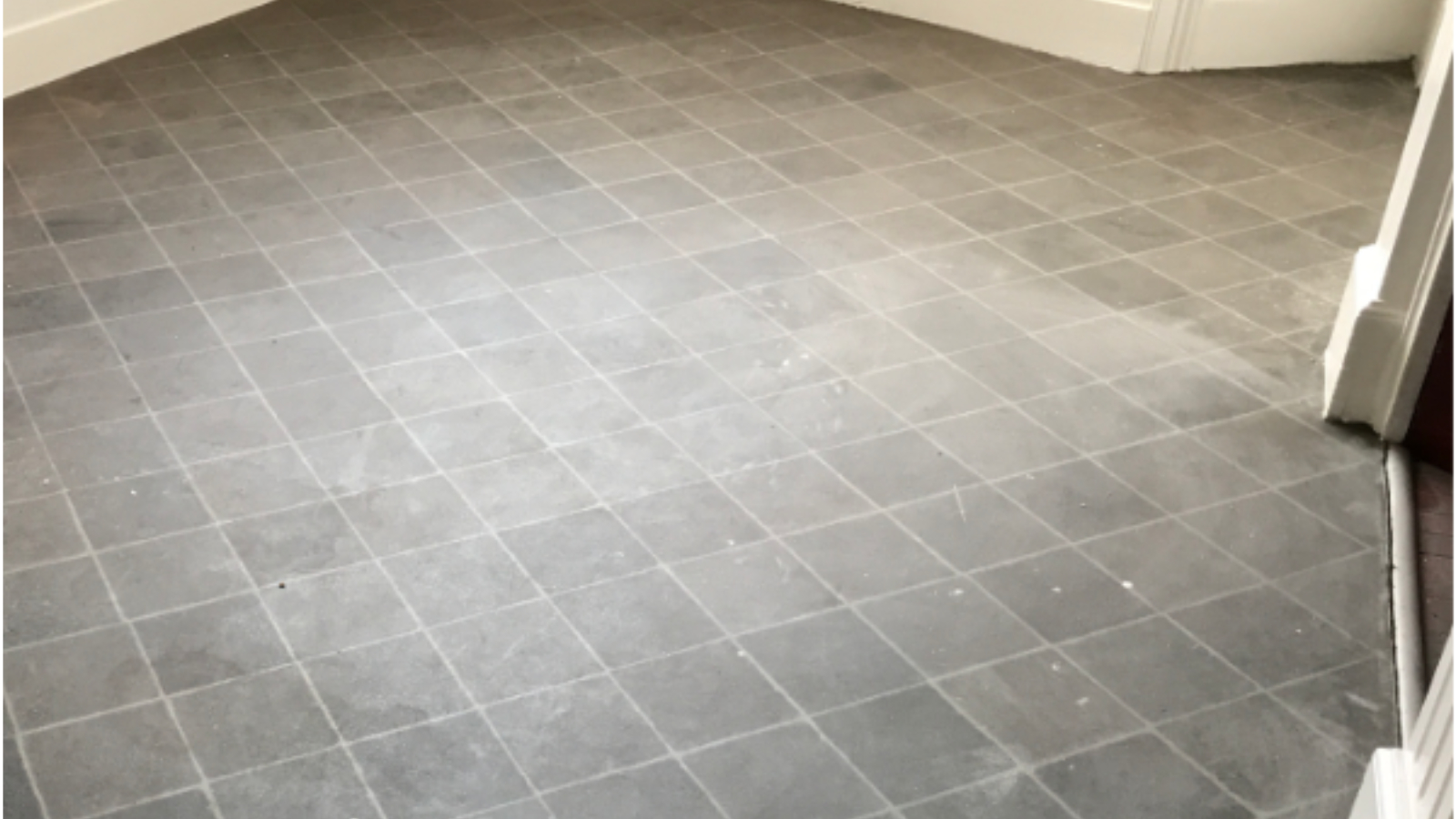
Before cleaning: decorating residue, paint splashes and building dust had left the vinyl floor looking far worse than its true condition.
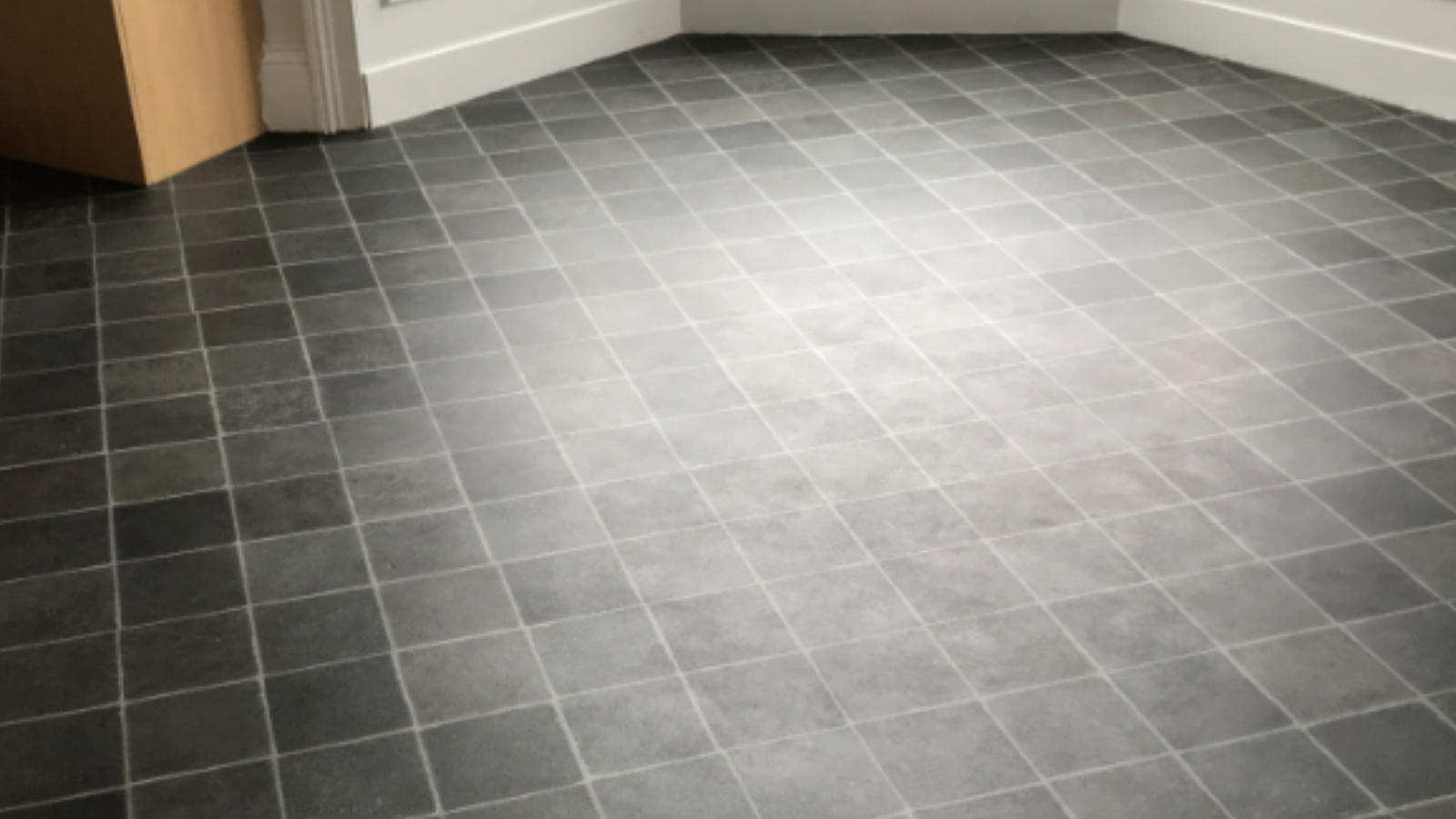
After cleaning: once the renovation residue was removed, the original appearance of the vinyl floor was restored without replacement.
The before image showed visible paint contamination and general building residue across the floor. After cleaning, the surface looked cleaner, more uniform and much closer to its original appearance without the need for replacement.
Need Professional Vinyl Floor Cleaning?
If renovation work, decorating projects or building dust have left your vinyl flooring looking beyond help, professional cleaning can often restore its appearance without replacement.
Our tile and vinyl floor cleaning page explains how we approach vinyl floors and other hard surfaces that need more than ordinary household cleaning.