Skip to content
Safespace North East specialists
Menu
LVT cleaning

LVT Cleaning

Professional LVT and vinyl floor cleaning for homes, rentals and commercial spaces across the North East. Honest advice on cleaning, re-polishing and restoration.

North East coverage Specialist equipment Fast drying where applicable
LVT Cleaning
LVT cleaning starts with assessment of residue, finish, wear, previous products and realistic improvement.
Cleaning, strip clean and re-polish, Bona RFS and replacement advice are treated as different decisions, not one fixed package.
Real LVT and vinyl project examples show dullness, residue, renovation contamination and polish build-up.
LVT cleaning

LVT cleaning that starts with assessment.

Professional LVT and vinyl floor cleaning for homes, rental properties and commercial spaces across the North East.

If your vinyl or LVT floor has started to look dull, patchy, smeary or tired, replacement is not always the first answer. Many floors lose their appearance because of residue, traffic soil, old maintenance products or a tired surface finish rather than because the floor itself has failed.

Safe Space Cleaning helps you understand what is realistically worth doing: a professional clean, a strip clean and re-polish, a more specialist resilient-floor restoration route, or honest advice that cleaning may not be enough.

The point is not to sell the most involved option. It is to work out which option is proportionate for the floor in front of us.
Our view

The best LVT work starts with diagnosis.

A dull floor may need a deep clean, a strip and re-polish, a specialist resilient-floor system or sometimes a different recommendation entirely. We would rather explain that clearly before work starts than treat every floor as if it needs the same process.

What we look for

Why LVT and vinyl floors start to look dull.

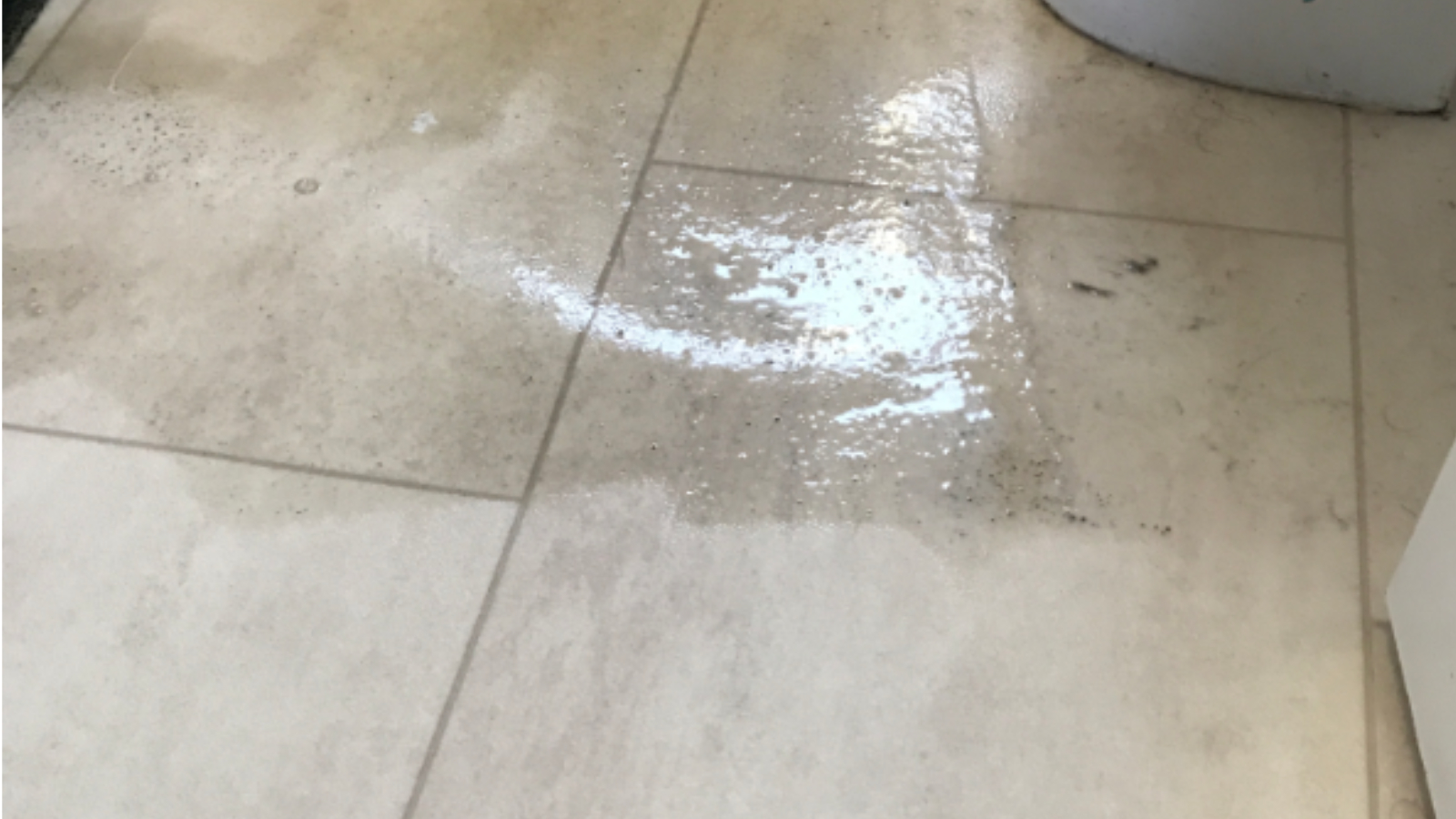
LVT is practical and hard-wearing, but it is not maintenance-free. Over time, routine mopping can leave residue, busy walkways can become dull and old products can make the floor look older than it really is.

Why this matters

Shine does not always mean clean.

A floor can be clean but worn, shiny but contaminated, or dull because old product is sitting on the surface. Those distinctions decide whether cleaning, re-polishing, resilient-floor treatment or replacement advice is the honest recommendation.

  • Residue from routine mopping products.
  • Traffic soil in kitchens, hallways, entrances and commercial walkways.
  • Old polish or dressing that has started to mark, haze or wear unevenly.
  • Greasy surface films from everyday use.
  • Build-up around textured areas or plank edges.
  • Wear to the surface finish rather than loose dirt alone.
  • Previous products that have changed the surface appearance.
  • Physical damage that cleaning cannot reverse.

The important question is not simply whether the floor can be cleaned. It is what is causing the problem and which method is most likely to improve it without making unrealistic promises.

More cleaning product is rarely the answer. In many cases, it adds to the residue problem. The right approach is to remove what should not be on the floor first, then decide whether the surface needs further finishing or protection.

Method selection

Cleaning, re-polishing or another route?

Not every LVT floor needs polishing. Before recommending a method, we separate the decision into three questions: what contamination can be removed, what finish or coating is already on the floor, and what condition will remain once the contamination has gone. Some floors need a careful deep clean only. Others may benefit from strip, clean and re-polish work where an old finish has broken down or become uneven. Sometimes the right answer is replacement or repair advice because the problem is damage, not soil.

What we'd recommend

If the floor is structurally sound and the main issue is residue, traffic film or tired polish, cleaning or re-polishing may be sensible. If the floor is damaged, loose, heavily gouged or worn through, the honest answer may be repair or replacement advice rather than more cleaning.

Stage 1

Assess the floor and finish

We look at whether the floor is LVT, sheet vinyl, safety flooring or another resilient surface, then check the finish, residue, wear and previous products.

Stage 2

Identify what is actually causing the dullness

Dullness can come from contamination, old polish, traffic film, worn finish or physical damage, so the cause decides the recommendation.

Stage 3

Choose a proportionate method

Some floors need a careful deep clean only. Others may need strip, clean and re-polish work. Some need a different restoration or replacement conversation.

Stage 4

Clean and review the result

Where cleaning is suitable, we remove residue, soil and build-up, then review whether further finishing or aftercare advice is needed.

Stage 5

Explain limits and maintenance

We explain what has improved, what cannot be changed by cleaning and how to maintain the floor more sensibly afterwards.

Where cleaning has limits

When cleaning may not be enough.

Cleaning can improve many dull or contaminated LVT floors, but it cannot solve every problem.

A good clean can remove contamination. It cannot rebuild a damaged floor. Being clear about that protects the customer from spending money on the wrong solution.

Another approach may be better

Physical floor issues

Lifting tiles or planks, failed adhesive, deep gouges, cuts, burns, moisture issues or subfloor problems cannot be corrected by cleaning alone.

Another approach may be better

Worn or permanently changed surfaces

Wear-layer damage, permanent colour change, faded areas or scratches that are too deep to improve through cleaning or finishing may need repair or replacement advice.

Our view

Limitations are part of good advice.

This is not a negative message. Customers usually appreciate being told when cleaning is worth trying and when it is not.

Project examples

Real LVT and vinyl floor proof.

These examples show the judgement behind the work, not just the finished result. Each floor needed a different decision about residue, finish, contamination and realistic improvement.

Karndean LVT floor in County Durham

The problem
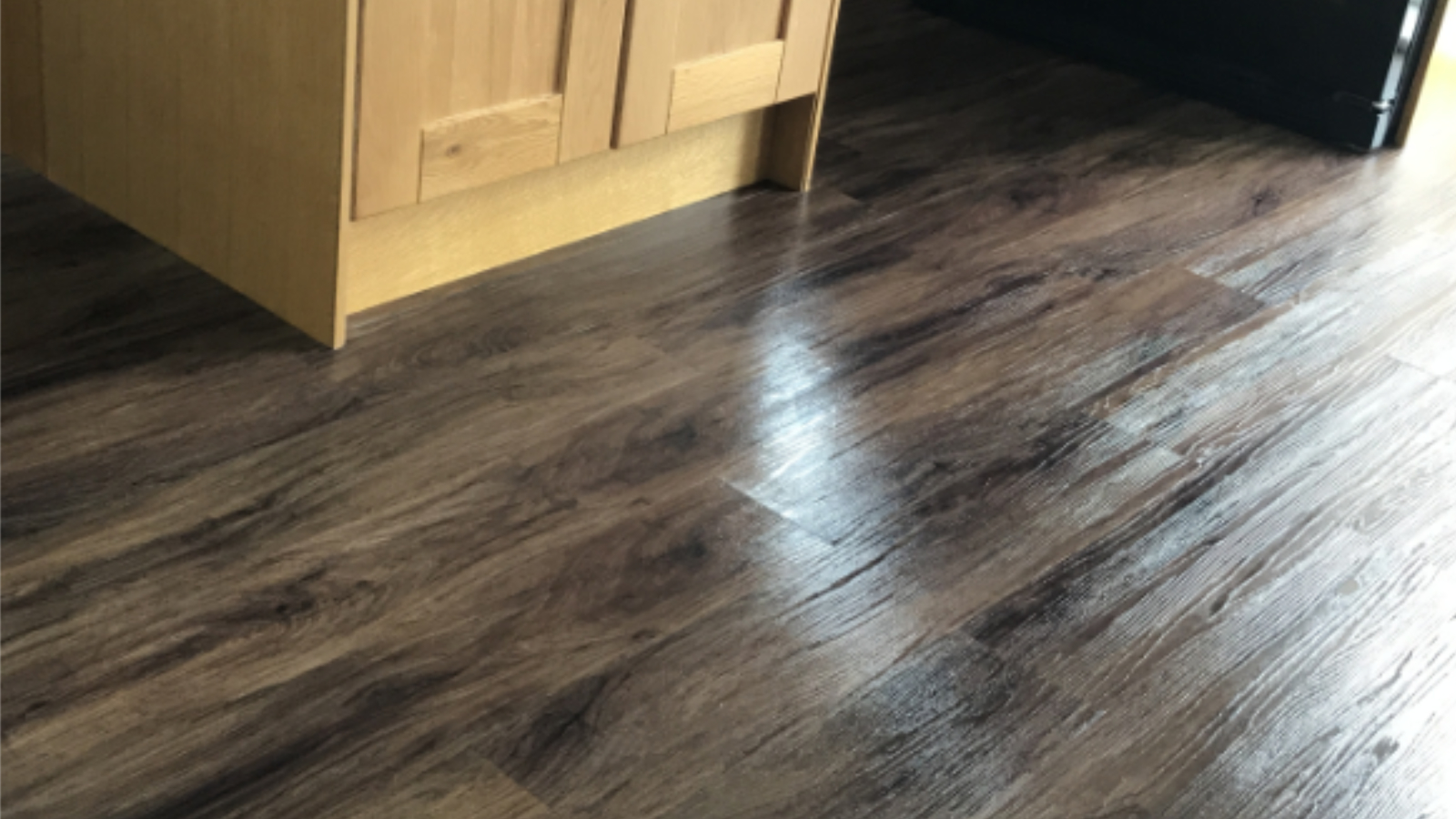
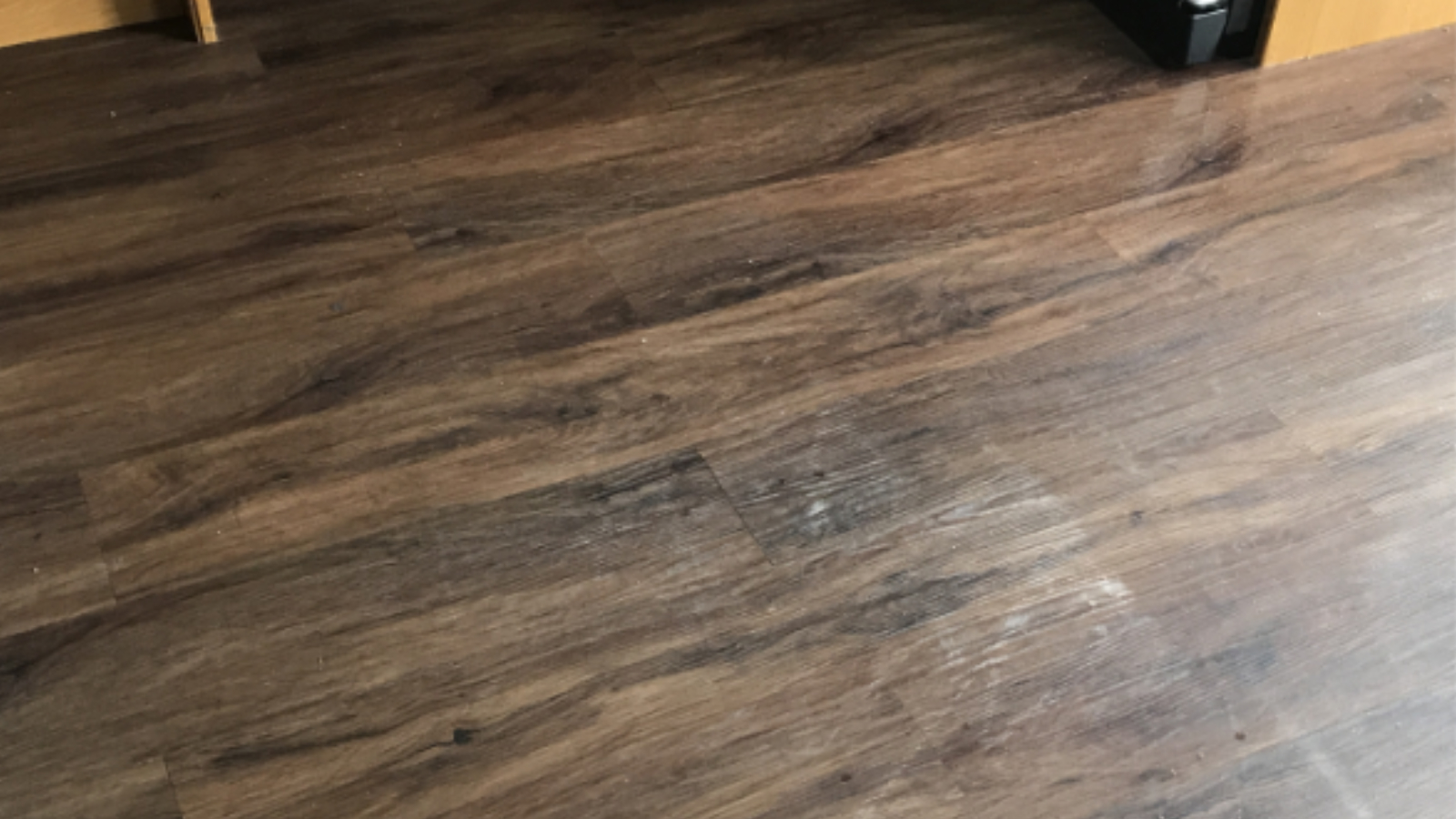
A Karndean floor had become dull through normal family use, old polish build-up and everyday residues.
What we assessed
The floor was suitable for stripping the old finish, deep cleaning and applying a fresh silk-finish polish.
What we recommended
This was not just a cleaning-only job. Old finish and everyday residue were affecting the appearance, so the sensible route was to remove the old build-up before applying a fresh finish.
What we did
The old finish was stripped, the LVT was deep cleaned and a fresh polish was applied.
The result
The floor had a brighter, more even appearance.

Some LVT floors need more than a surface clean, but that decision should be based on condition, not assumption.

Bathroom vinyl floor in Washington

The problem
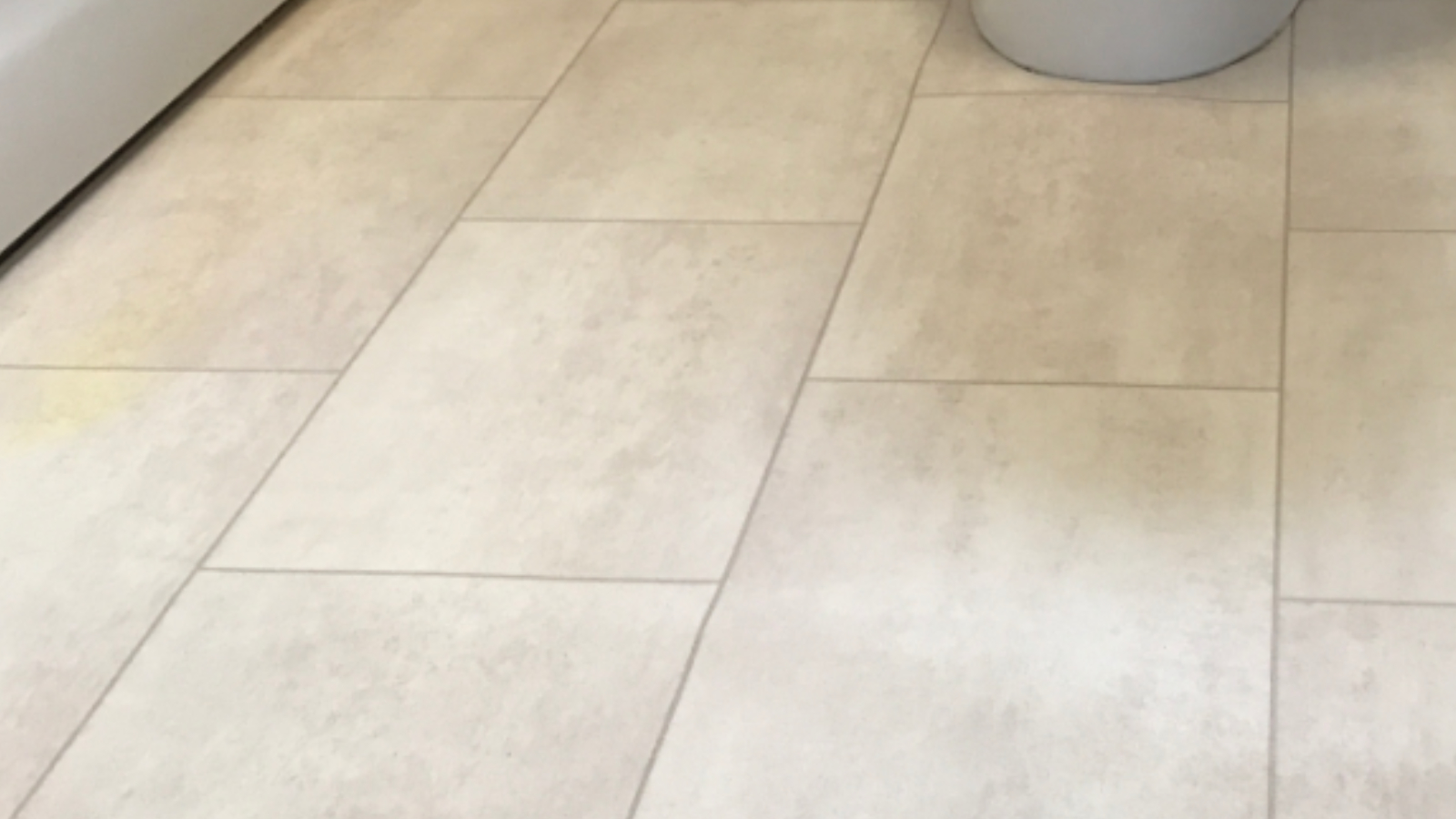
A residential bathroom vinyl floor had become dull through grease, cleaning-product residues and everyday contamination that regular mopping could no longer remove.
What we assessed
The issue was surface contamination and residue rather than a need to replace the floor.
What we recommended
This was a good example of a floor where a professional clean was a sensible first step. There was no need to treat replacement as the default answer.
What we did
Professional degreasing, agitation and wet extraction were used.
The result
The floor had a cleaner, brighter finish without replacement.

Everyday contamination can make vinyl look older than it is. Where the floor is sound, removing residue and soil can be the most proportionate recommendation.

Vinyl floor restoration after renovation work in Sunderland

The problem
A kitchen vinyl floor had paint splashes, building dust and renovation residue on the surface.
What we assessed
The work was floor-specific vinyl restoration, not a general after builders cleaning service.
What we recommended
The issue was contamination sitting on the vinyl surface. The right response was targeted floor restoration, not a broad cleaning service claim.
What we did
Deep cleaning and careful spot treatment were used to remove contamination.
The result
The floor had a cleaner, brighter appearance without polishing.

Renovation residue can sometimes be removed from vinyl with careful method selection, but this should be framed only as floor-specific evidence.

LVT floor in a rental property

The problem
A bedroom LVT plank floor had become dull through normal tenant use and needed improved presentation before the next use of the property.
What we assessed
The floor was suitable for cleaning and a fresh silk-finish polish.
What we recommended
The floor needed presentation improvement and was suitable for a clean and fresh finish. This is LVT floor restoration evidence, not a general tenancy-cleaning service.
What we did
Deep cleaning was followed by a fresh polish.
The result
The floor had a cleaner, improved finish.

Rental-property floors often need honest assessment. Sometimes cleaning and finishing are enough to improve presentation; sometimes damage or wear would need a different recommendation.

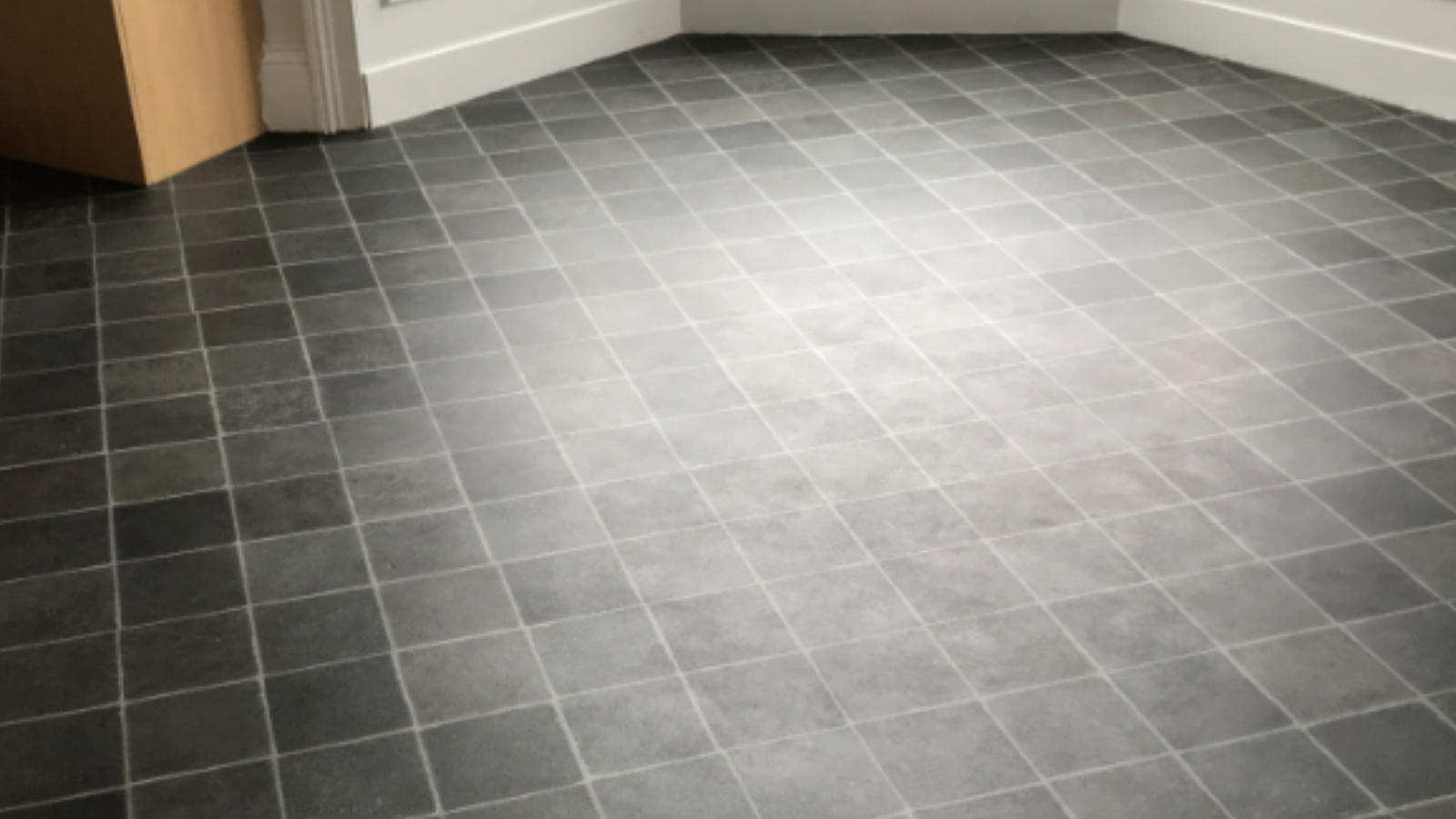
Bathroom vinyl floor in Washington after professional deep cleaning restored a brighter cleaner appearance
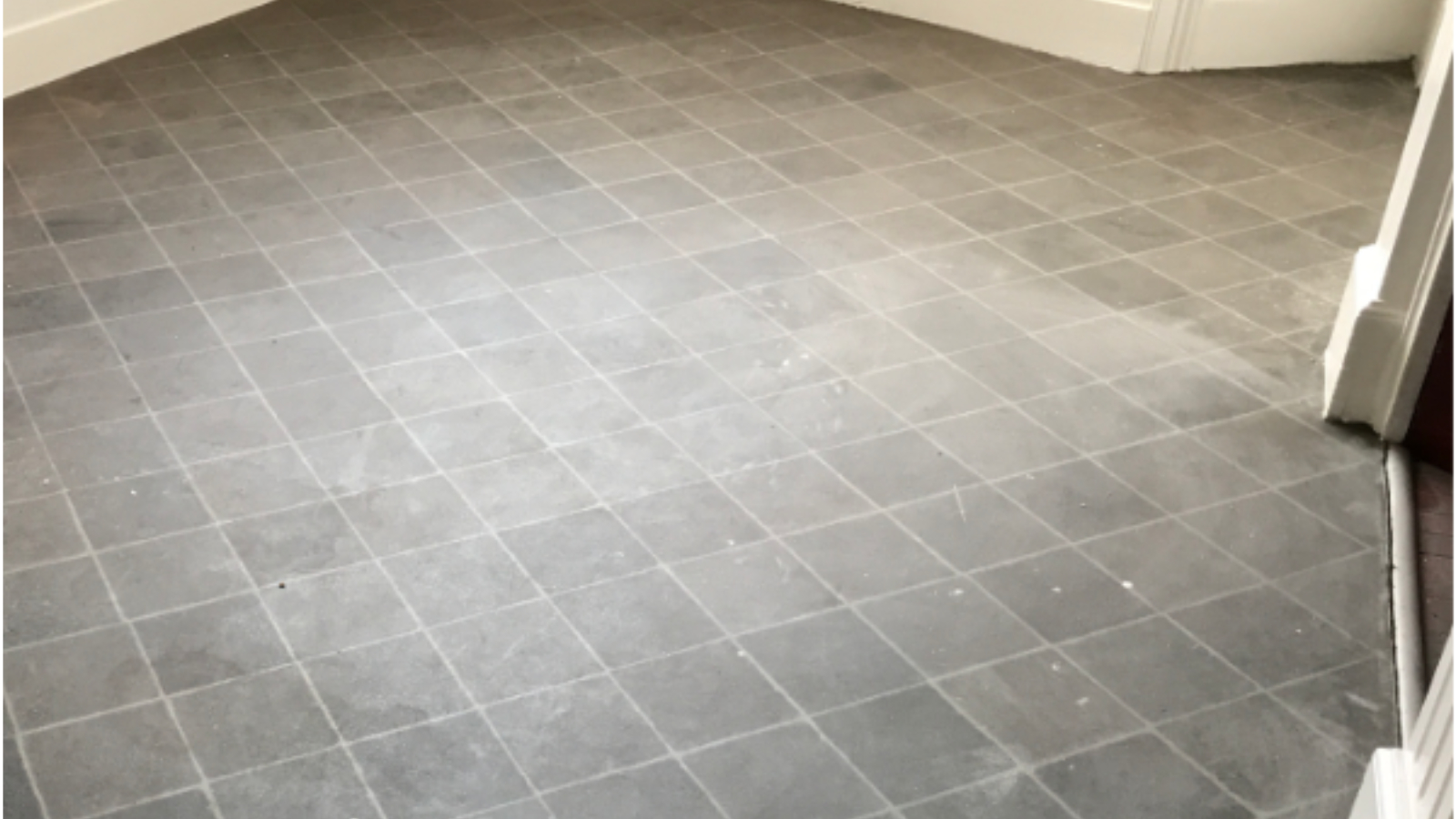
Bathroom vinyl floor in Washington before professional deep cleaning showing dull residue and embedded dirt
Before
After

Bathroom Vinyl Floor Deep Clean in Washington, Tyne & Wear

This residential bathroom vinyl floor in Washington had become dull through grease, cleaning-product residues and everyday contamination that regular mopping could no longer remove. Professional degreasing, agitation and wet extraction restored a cleaner, brighter finish without replacing the floor.

Washington, Tyne and Wear

Vinyl kitchen floor in Sunderland after builders clean contamination was removed and the original appearance restored
Vinyl kitchen floor in Sunderland with paint splashes and renovation residue before professional cleaning
Before
After

Builder's Clean Vinyl Floor Restoration After Renovation Work in Sunderland

This kitchen vinyl floor was cleaned after renovation and decorating work left paint splashes, building dust and construction residue across the surface. Deep cleaning and careful spot treatment removed the contamination and restored a cleaner, brighter appearance without polishing.

Sunderland

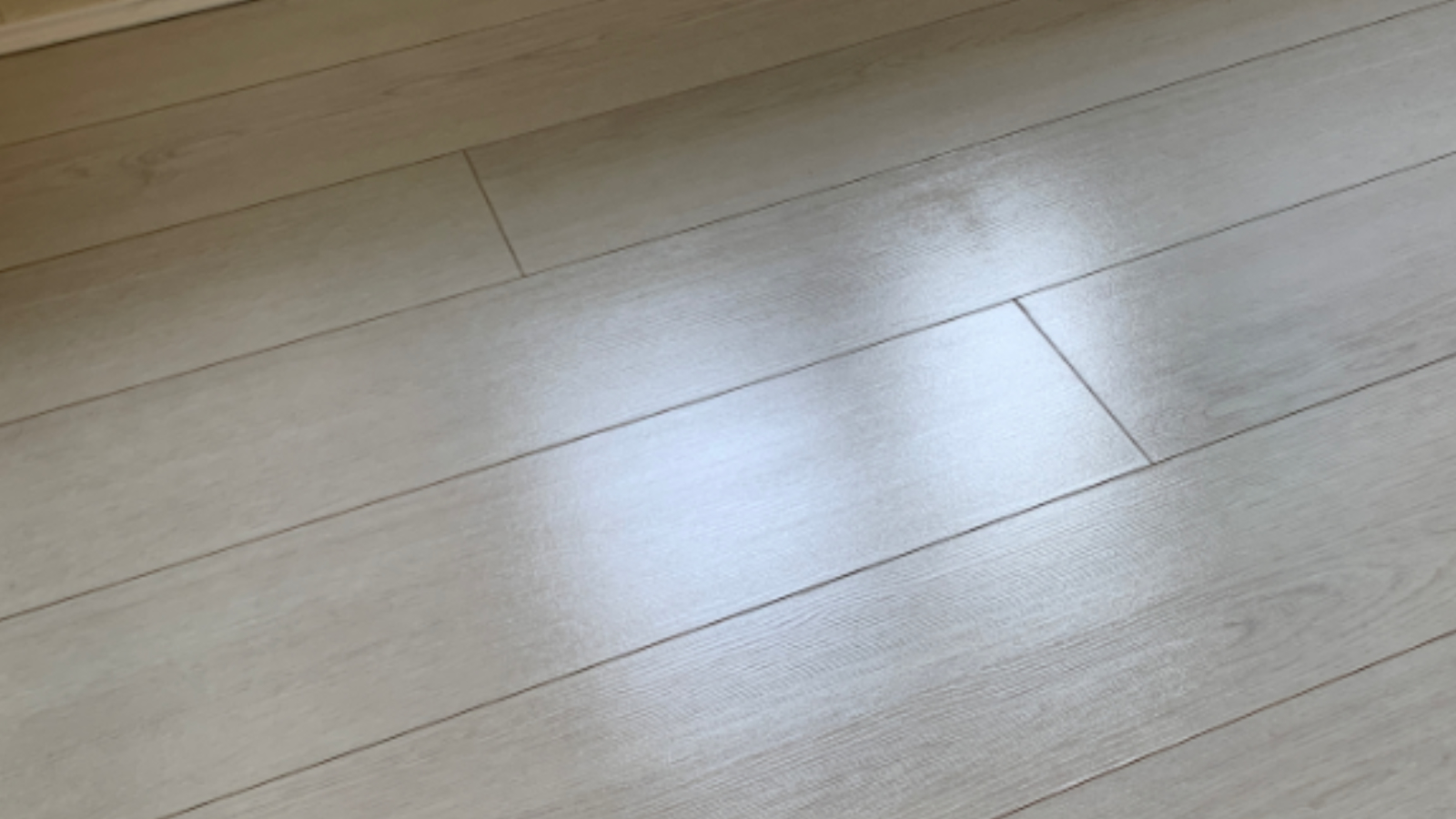
Bedroom LVT floor in a rental property after end-of-tenancy cleaning and polishing restored a cleaner finish
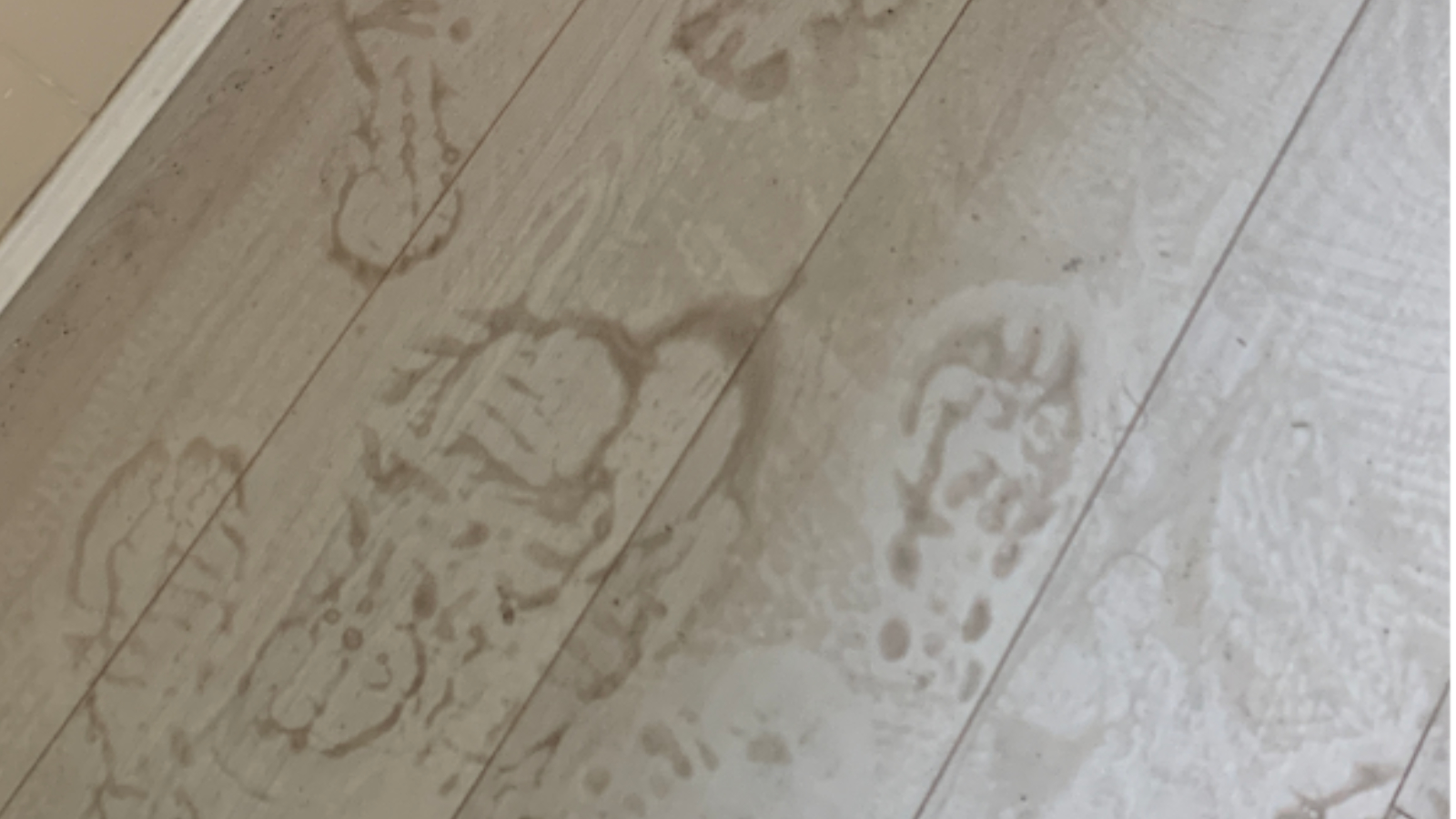
Bedroom LVT floor in a rental property before end-of-tenancy cleaning and polishing
Before
After

End-of-Tenancy LVT Floor Restoration for a Rental Property

This bedroom LVT plank floor had become dull through normal tenant use during a rental tenancy. Deep cleaning followed by a fresh silk-finish polish improved the presentation of the property before viewings and handover to new occupants.

North East England

Karndean LVT floor in County Durham after stripping, cleaning and re-polishing restored a brighter finish
Karndean LVT floor in County Durham before stripping, cleaning and re-polishing
Before
After

Karndean LVT Floor Strip, Clean and Re-Polish in County Durham

This Karndean floor had become dull through normal family use, old polish build-up and everyday residues. Stripping the old finish, deep cleaning the LVT and applying a fresh silk-finish polish restored a brighter, more even appearance.

County Durham

Before quoting

What helps us advise properly.

A better LVT quote starts with better information. Photos are useful because they help us understand the floor type, finish, traffic wear, residue, previous products and whether a clean-only or re-polish conversation is likely.

What we would check first

The history of the floor matters.

A well-meaning maintenance product, supermarket cleaner or old polish can change the recommendation completely. The floor's history is often as important as the brand name.

  • Floor type or brand if known, such as Karndean, Amtico, Moduleo or Quick-Step.
  • Photos of dullness, traffic lanes, residue, marks or damage.
  • Approximate room size and whether furniture needs moving.
  • Whether the floor is domestic, rental, communal or commercial.
  • What products or polish may have been used previously.
  • Access, timing and return-to-use requirements for commercial work.

For commercial vinyl and safety flooring, we also need to understand access, downtime, cleaning frequency and whether the same traffic pattern will quickly return without a maintenance plan.

Questions we hear

Practical questions before booking

These are the kinds of questions customers often ask when they are trying to decide whether an LVT floor needs cleaning, re-polishing, restoration or replacement advice.

Is the floor dirty, or is the finish worn?

Sometimes it is both. If the problem is residue, cleaning may be enough. If the finish is worn, the conversation may move towards re-polishing, a resilient-floor system or replacement advice.

Can you make it look new again?

We would not promise that without seeing the floor. Many LVT floors can be improved, but the final result depends on age, wear, previous products and damage.

Is it worth cleaning before replacing?

Often, yes, if the floor is structurally sound and the problem is contamination or tired presentation. If replacement is the more honest route, we would rather say so.

Do you need to know whether it is Karndean or Amtico?

It helps, but it is not essential. Photos, age, room use and what has been used on the floor often tell us just as much as the brand name.

Can this be done before new tenants move in?

Floor-specific LVT cleaning may be suitable before a property is reoccupied. This is not the same as general end-of-tenancy cleaning.

Is this a clean, a polish, or a restoration job?

That depends on what is causing the problem. We assess first, then explain which route is realistic.

Useful content

Useful guides and recent projects

More practical advice, brand-specific guidance and real examples connected to LVT, vinyl and resilient floor cleaning.

Useful guides

Hard Floor Cleaning Durham

Hard floor cleaning

LVT Cleaning Durham

Hard floor cleaning

Bona RFS vs Strip and Seal

Hard floor cleaning

Commercial Floor Protection Guide

Commercial cleaning

Facilities Manager Guide to Resilient Floor Care

Commercial cleaning

Floor Polish Removal Guide

Hard floor cleaning

Resilient Floor Lifecycle Guide

Hard floor cleaning

Commercial Hard Floor Cleaning Durham

Commercial cleaning

Commercial LVT Cleaning

Commercial cleaning

Hard Floor Aftercare Guide

Hard floor cleaning

Altro Cleaning Guide

Hard floor cleaning

Commercial Floor Maintenance Programme Guide

Commercial cleaning

Commercial LVT Cleaning Guide

Commercial cleaning

Moduleo Cleaning Guide

LVT cleaning

Quick-Step Alpha Vinyl Guide

LVT cleaning

Commercial Vinyl Cleaning Guide

Commercial cleaning

Luxury Vinyl Maintenance Guide

LVT cleaning

LVT Cleaning or Replacement?

LVT cleaning

Polyflor Cleaning Guide

Commercial cleaning

Vinyl Floor Polish Removal Guide

LVT cleaning

Amtico Cleaning Guide

LVT cleaning

Karndean Cleaning Guide

LVT cleaning

Safety Floor Cleaning Guide

Commercial cleaning

Resilient Floor Aftercare Guide

Hard floor cleaning

Hard Floor Cleaning vs Restoration

Hard floor cleaning

Can LVT Flooring Be Restored?

Hard floor cleaning

Can Tile And Grout Be Professionally Cleaned?

Hard floor cleaning

What Is the Bona Resilient Floor System?

Hard floor cleaning

Why Does LVT Flooring Look Dull?

Hard floor cleaning

How Often Should LVT Flooring Be Professionally Cleaned?

Hard floor cleaning

How Do You Maintain Luxury Vinyl Flooring?

Hard floor cleaning

Can Luxury Vinyl Tile (LVT) Be Professionally Cleaned?

Hard floor cleaning

Service FAQs

Questions about lvt cleaning

The questions below cover the things we're asked most often before booking, including likely results, drying times, suitability and what to expect from the process.

Can LVT floors be professionally cleaned? +

Yes, many LVT floors can be professionally cleaned where the main issue is residue, ingrained dirt, traffic film or tired surface presentation. The method depends on the floor type, finish and condition.

Why does LVT flooring look dull or patchy? +

Common reasons include mop residue, old maintenance products, traffic soil, greasy films, worn polish or surface wear. The first job is to identify which of those is causing the problem.

Do all LVT floors need stripping and re-polishing? +

No. Some floors only need a proper deep clean. Others may benefit from strip, clean and re-polish work if the previous finish has broken down or old products need to be removed.

Can professional cleaning remove scratches from LVT? +

Cleaning can remove contamination that makes scratches look worse, and some surface presentation can be improved. Deep scratches, gouges or worn-through areas cannot be removed by cleaning alone.

Can you clean Karndean, Amtico, Moduleo and Quick-Step floors? +

Yes, we can assess and clean many Karndean, Amtico, Moduleo, Quick-Step and similar luxury vinyl floors. The recommendation depends on the floor condition and previous maintenance history.

Is LVT cleaning suitable for commercial premises? +

Often, yes. Commercial vinyl and LVT floors can often benefit from professional cleaning or planned maintenance, especially where traffic lanes, entrances or customer-facing areas are looking tired.

How long does LVT cleaning take? +

Timing depends on floor size, access, condition and whether the work is a clean only or a more involved strip and re-polish. We can advise more accurately after seeing the floor or photos.

How soon can the floor be used after cleaning? +

This depends on the method used. A straightforward clean will usually be different from a re-polish or coating process, where the finish may need more time before normal use.

When would you recommend replacement instead of cleaning? +

Replacement or repair advice may be more appropriate where tiles are lifting, adhesive has failed, the wear layer is damaged, there are deep gouges, or the floor is beyond economical cleaning.

What is the difference between LVT cleaning and the Bona Resilient Floor System? +

LVT cleaning focuses on removing soil, residue and build-up. Bona Resilient Floor System is a more specialist resilient-floor restoration approach for suitable floors where cleaning alone is not enough.

When should I look at resilient floor restoration instead of LVT cleaning? +

LVT cleaning is usually the better starting point where the issue is soil, residue, dullness or routine maintenance. Resilient floor restoration may be more relevant for suitable commercial floors where cleaning alone is unlikely to restore the required appearance or maintainability.

Related services

Related work that is often booked at the same time.

Many homes and workplaces need more than one surface dealt with, so these linked services are here to help you compare the right combination.

Ready when you are

Need lvt cleaning in the North East?

Send over a few details or give us a ring. We can then advise on the likely treatment, the expected result and whether the timing works for the way the space is used.

Call WhatsApp Quote