
Hard floor cleaning
Hard Floor Aftercare Guide
Practical hard floor aftercare advice for tile, grout, vinyl, LVT and stone floors after professional cleaning.
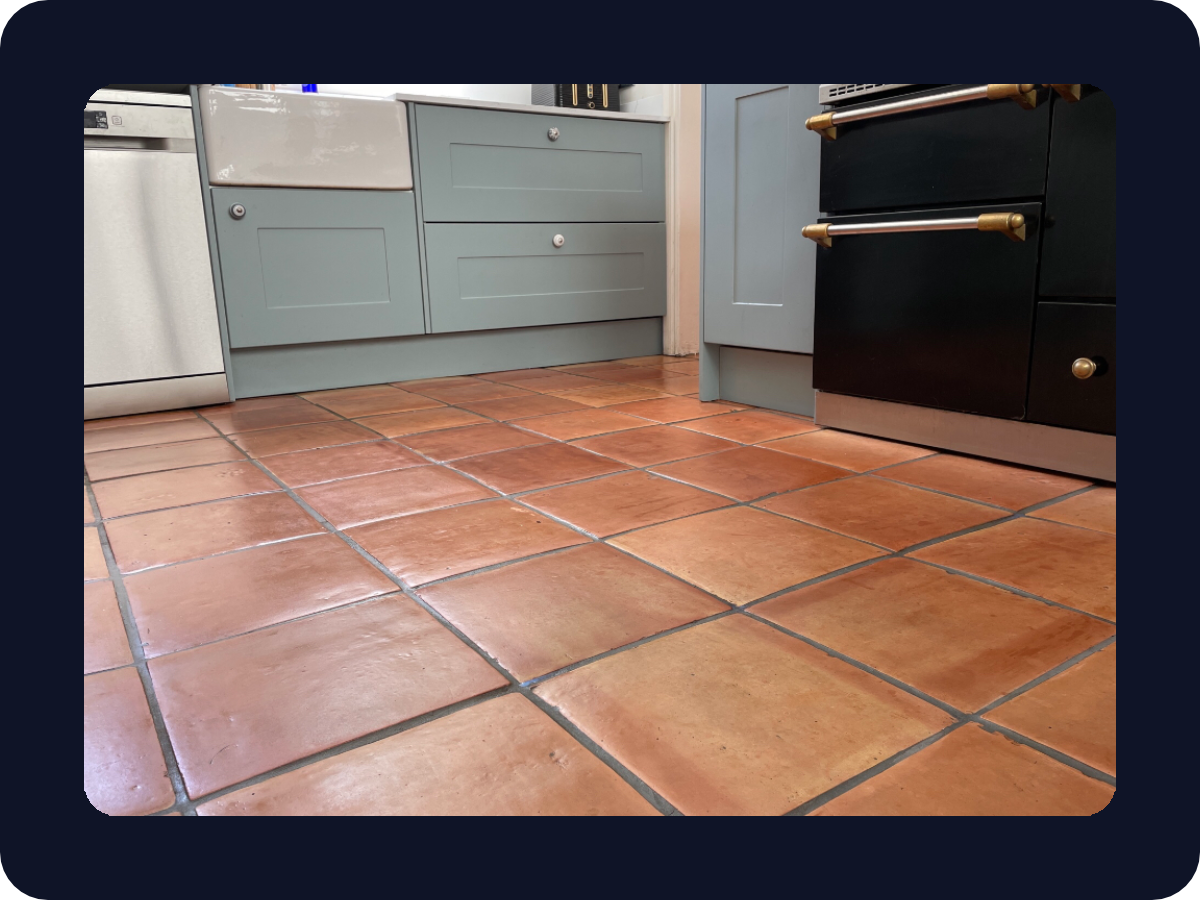
Practical hard floor aftercare advice for tile, grout, vinyl, LVT and stone floors after professional cleaning.
Aftercare makes a real difference to how long a hard floor stays clean.
The goal is not complicated. Remove grit, use the right cleaner, avoid residue and deal with spills before they settle.
To keep hard floors cleaner for longer, use a suitable neutral cleaner, avoid too much detergent, rinse or change mop water often and stop grit from being walked through the floor.
The right method depends on whether the floor is tile, grout, vinyl, LVT, stone or another surface.
A neutral floor cleaner is usually the safest routine choice for many hard floors.
Strong degreasers, bleach, acids, polish products and general household cleaners can cause problems on some surfaces, especially natural stone, sealed floors, vinyl and LVT.
If you are unsure what the floor is made from, ask before applying a stronger product.
More detergent does not always mean a cleaner floor.
Too much product can dry on the surface and leave a film that attracts more soil. This is one of the common reasons floors look dull or streaky shortly after mopping.
Use the recommended dilution and change mop water before it becomes dirty.
Grit acts like fine abrasive underfoot.
Entrance mats, regular vacuuming and prompt sweeping help reduce wear on:
This matters most in high-traffic areas.
Spills are usually easier to manage before they dry.
Blot or wipe them promptly, especially on grout, textured flooring and natural stone. Avoid soaking the floor, and do not mix cleaning products.
Steam is not suitable for every hard floor.
It can affect some adhesives, finishes, sealers and vinyl or LVT products. It can also drive moisture into vulnerable joints or edges.
Check the floor type and manufacturer guidance before using steam.
Tile and grout usually need attention to grout lines and residue control.
Vinyl and LVT need careful product choice so the surface is not dulled or made sticky.
Natural stone needs extra caution around acids, sealers and moisture.
Commercial floors need a maintenance routine matched to traffic levels rather than occasional deep cleaning alone.
Ask for professional advice if the floor:
These signs often mean the issue is build-up, residue or wear rather than ordinary day-to-day dirt.
For assessment-led hard floor cleaning, see Hard Floor Cleaning.
For tile and grout support, see Tile and Grout Cleaning.
Send us a few photos or tell us what you are dealing with. We will explain whether cleaning, restoration or replacement is the most sensible next step.