
Hard floor cleaning
Natural Stone Maintenance Guide
Practical natural stone maintenance advice covering daily cleaning, residue, sealing, wear, material differences and professional cleaning boundaries.
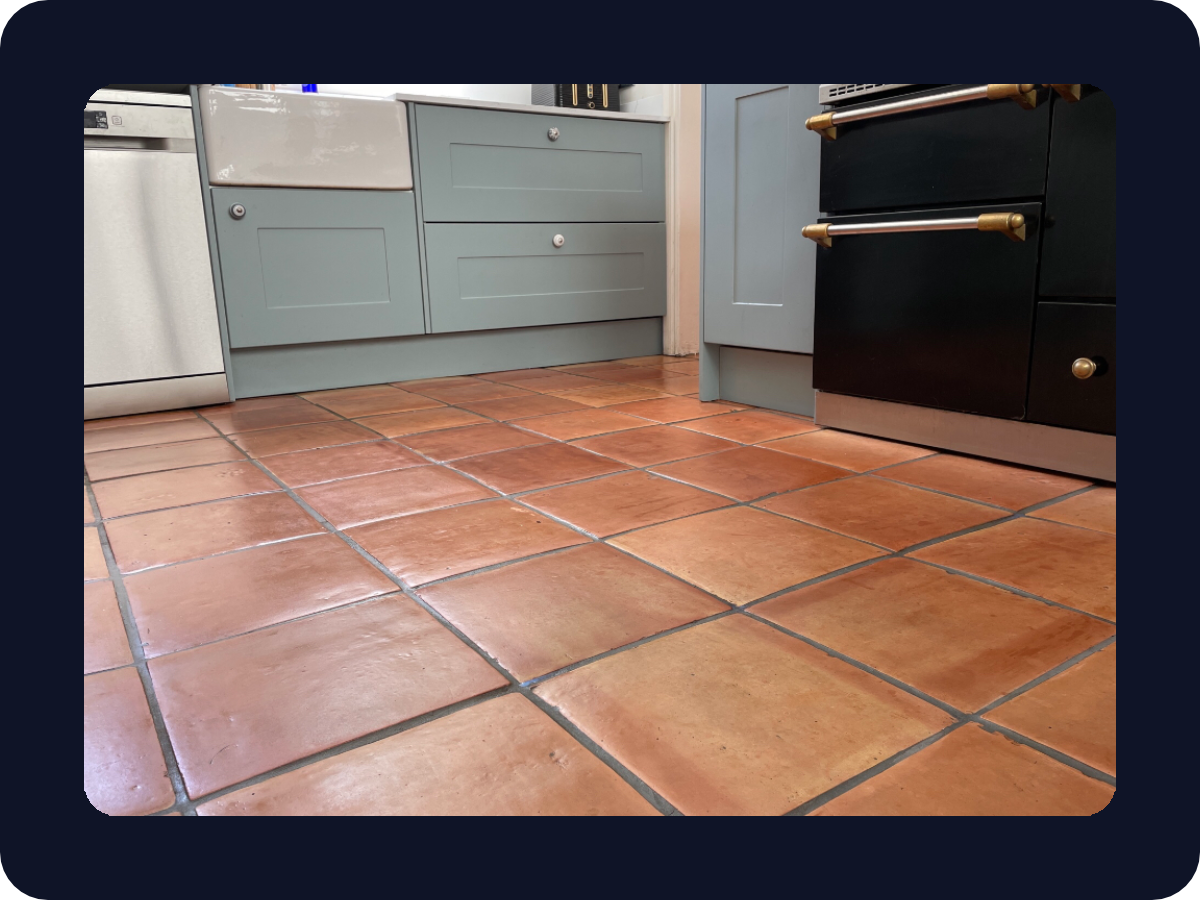
Practical natural stone maintenance advice covering daily cleaning, residue, sealing, wear, material differences and professional cleaning boundaries.
Natural stone floors can last for many years, but they need the right care.
Slate, limestone, travertine, marble, sandstone and quarry tile floors do not all behave the same way. The stone type, finish, sealer and room use all affect how the floor should be cleaned and maintained.
Good maintenance starts with understanding the floor in front of you.
Natural stone maintenance should focus on controlling grit, avoiding unsuitable products, removing residue and knowing when cleaning is no longer enough.
Professional cleaning may help with soil, grease and build-up. Scratches, etching, worn polish, cracks or damaged stone may need a specialist restoration assessment.
The basics matter.
Useful habits include:
Many stone floors become dull because small maintenance mistakes are repeated for months or years.
Different stones need different care.
Polished marble may show etching and scratches quickly. Textured slate may hold soil in the surface. Limestone and travertine can be sensitive to unsuitable products. Quarry tiles can be robust but still suffer from residue, grease and old sealer build-up.
This is why generic advice can be risky. Maintenance should match the material.
If a stone floor looks dull even after mopping, the problem may be residue.
Common sources include:
Professional cleaning can often improve this type of problem, provided the stone and finish are suitable for the method used.
Sealing can be useful for some natural stone floors, especially porous stone or areas exposed to spills.
It is not always needed and it is not a cure-all. A sealer will not make stone scratch-proof, stain-proof or maintenance-free. It should be selected according to stone type, porosity, appearance, room use and existing finish.
For more detail, read Should Tile and Stone Floors Be Sealed?.
Maintenance cleaning removes soil, residue and some surface contamination.
Restoration may involve honing, polishing, grinding, filling, repair or refinishing. Those are different services and should not be promised as ordinary cleaning.
If the stone itself is worn or damaged, cleaning may make it cleaner without making it look new.
For natural stone floors that need assessment, see Stone Floor Cleaning and Hard Floor Cleaning.
Send us a few photos or tell us what you are dealing with. We will explain whether cleaning, restoration or replacement is the most sensible next step.