
Hard floor cleaning
Travertine Floor Cleaning Guide
Practical travertine floor cleaning advice covering holes, grout, residue, sealing limits, acid sensitivity and restoration boundaries.
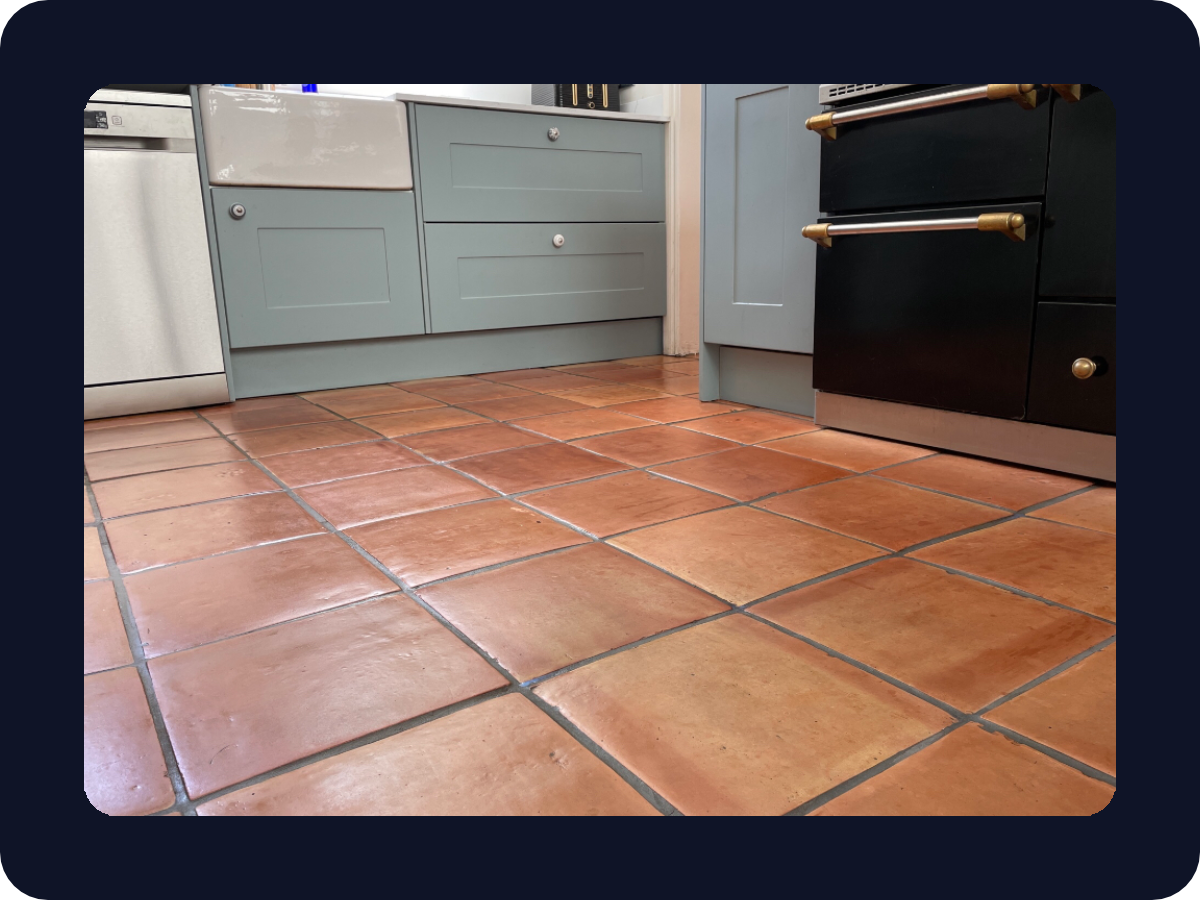
Practical travertine floor cleaning advice covering holes, grout, residue, sealing limits, acid sensitivity and restoration boundaries.
Travertine is a natural stone with a character of its own.
It can look warm and textured, but the same features that make it attractive can also make it harder to maintain. Holes, filled areas, grout lines and texture can hold soil and residue long after routine mopping.
Cleaning should be planned around the stone, not just the dirt.
Professional travertine floor cleaning can often improve soil, residue and dirty grout where the stone and finish are suitable.
It should not be confused with repair, hole filling, honing, polishing or full restoration. If the travertine is damaged or badly worn, specialist stone restoration may be more appropriate.
Travertine is naturally porous and often has small holes or filled voids.
Soil can collect in:
This can make the floor look dull or patchy even when it is cleaned regularly.
Travertine, like limestone, is acid-sensitive.
Strong acidic cleaners, limescale removers and unsuitable household products can dull or mark the surface. Once the stone is etched or worn, cleaning may remove soil but it will not reverse the surface damage.
Cleaning removes soil and residue.
It does not repair:
Those issues may need a stone repair or restoration specialist.
Sealing can be relevant for travertine, but it is a separate suitability decision.
The right approach depends on the stone, finish, porosity, existing sealer and how the room is used. Sealer may help reduce absorption, but it will not stop wear, repair damage or make the floor maintenance-free.
For broader care guidance, read Natural Stone Maintenance Guide.
Professional cleaning may help with:
The expected result should be based on assessment, not assumption.
Travertine may need restoration rather than cleaning when there is:
In those cases, a cleaner floor may still look worn because the stone surface itself has changed.
For travertine and natural stone cleaning advice, see Stone Floor Cleaning and Hard Floor Cleaning.
Send us a few photos or tell us what you are dealing with. We will explain whether cleaning, restoration or replacement is the most sensible next step.