
Hard floor cleaning
Stone Floor Cleaning Guide
Learn how stone floors become dull, when professional cleaning can help, and where cleaning, sealing, polishing and restoration are different services.
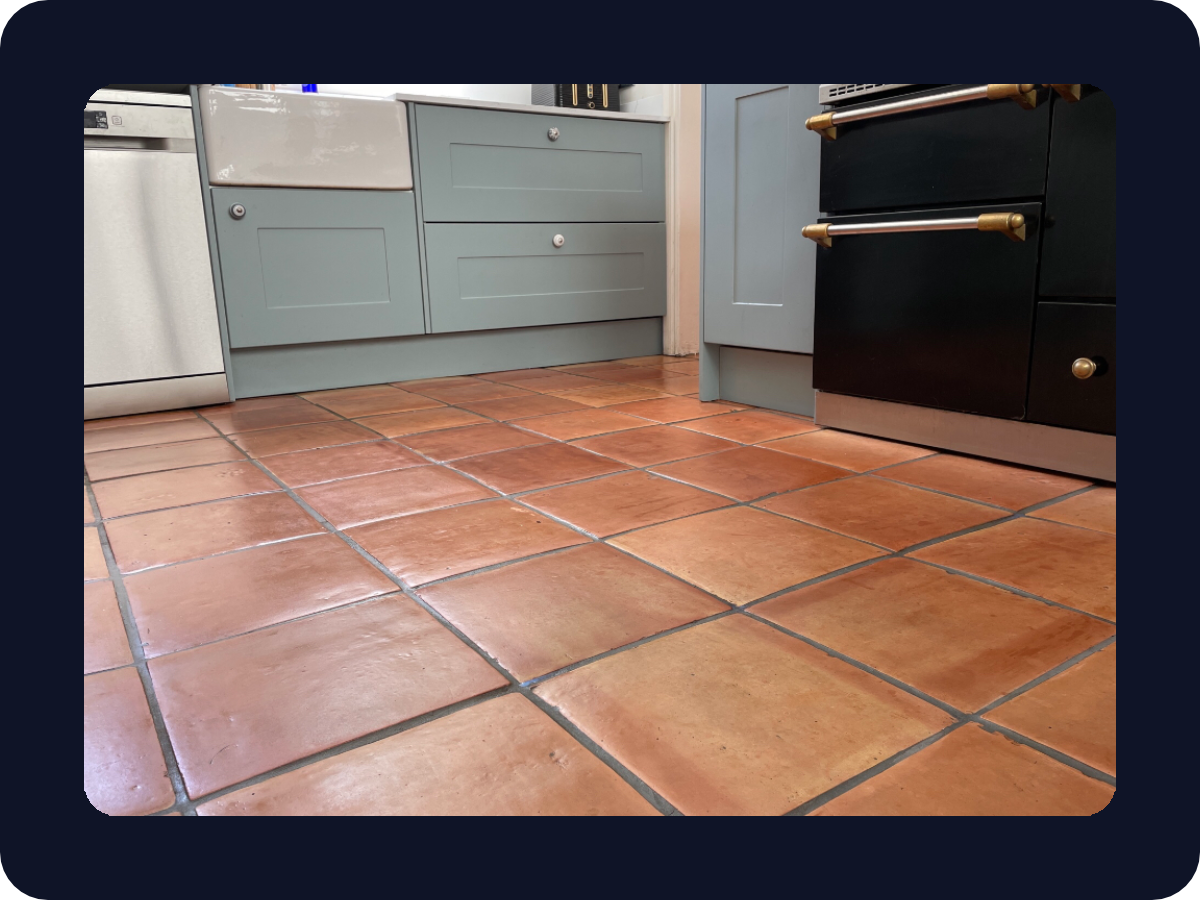
Learn how stone floors become dull, when professional cleaning can help, and where cleaning, sealing, polishing and restoration are different services.
Stone floors can be beautiful, hard wearing and long lasting, but they are not maintenance-free.
Over time they can become dull, patchy or difficult to mop clean. Sometimes the problem is ordinary soil. Sometimes it is detergent residue, old sealer, surface wear, grout contamination or a finish that needs more than cleaning.
That distinction matters.
Cleaning, sealing, polishing, honing, grinding, repair and restoration are not the same thing. A good stone floor assessment should separate those possibilities before promising an outcome.
Stone floors usually lose their appearance gradually.
Common causes include:
In busy kitchens, hallways and commercial spaces, fine grit can also act like abrasive dust. Even if the floor is mopped regularly, that grit can dull the surface over time.
Different stone floors behave differently.
Slate, limestone, travertine, marble, sandstone and quarry tiles do not all respond to the same products or processes. Some are more porous. Some are acid-sensitive. Some have textured surfaces that trap soil. Some have a polished finish that shows wear quickly.
This is why a generic floor cleaner is not always the answer. The method should match the material and the finish.
Professional stone floor cleaning may help when the main issue is contamination rather than damage.
It can often improve:
The result depends on what is sitting on the floor and what has happened to the floor itself. If the stone surface is worn, etched, scratched or damaged, cleaning alone may not restore the original finish.
This is the most important boundary.
Cleaning is about removing soil, grease and residues.
Restoration may involve specialist work such as:
Those are different levels of work and may need a specialist stone restoration approach.
Safe advice should never make cleaning sound like it can solve every stone floor problem. If the surface itself is damaged, a cleaner floor may still look worn.
Some stone floors benefit from sealing after cleaning, especially porous materials or floors exposed to spills and tracked-in soil.
Sealing may help reduce how readily contamination enters the stone or grout, but it is not a force field. It does not make a floor stain-proof, scratch-proof or maintenance-free.
Sealing suitability depends on:
Our guide on whether tile and stone floors should be sealed covers this decision in more detail.
Cleaning may not be enough if the floor has:
In those cases, cleaning may still make the floor more hygienic and easier to maintain, but restoration, repair or replacement advice may be needed.
For routine care:
Many dull floors are made worse by repeated use of too much detergent. If the mop water leaves residue behind, the floor can attract soil faster after every clean.
Before deciding on treatment, ask:
Those questions help avoid promising restoration results from a cleaning process.
Stone floor cleaning should be careful, not aggressive by default.
The right result comes from matching the method to the material and being clear about limits. Some floors need a deep clean and sensible aftercare. Some need cleaning and sealing. Some need a restoration specialist.
The honest answer depends on the floor in front of you.
Send us a few photos or tell us what you are dealing with. We will explain whether cleaning, restoration or replacement is the most sensible next step.