
Hard floor cleaning
Limestone Floor Cleaning Guide
Practical limestone floor cleaning advice covering porosity, acid sensitivity, dullness, sealing limits and when restoration may be needed.
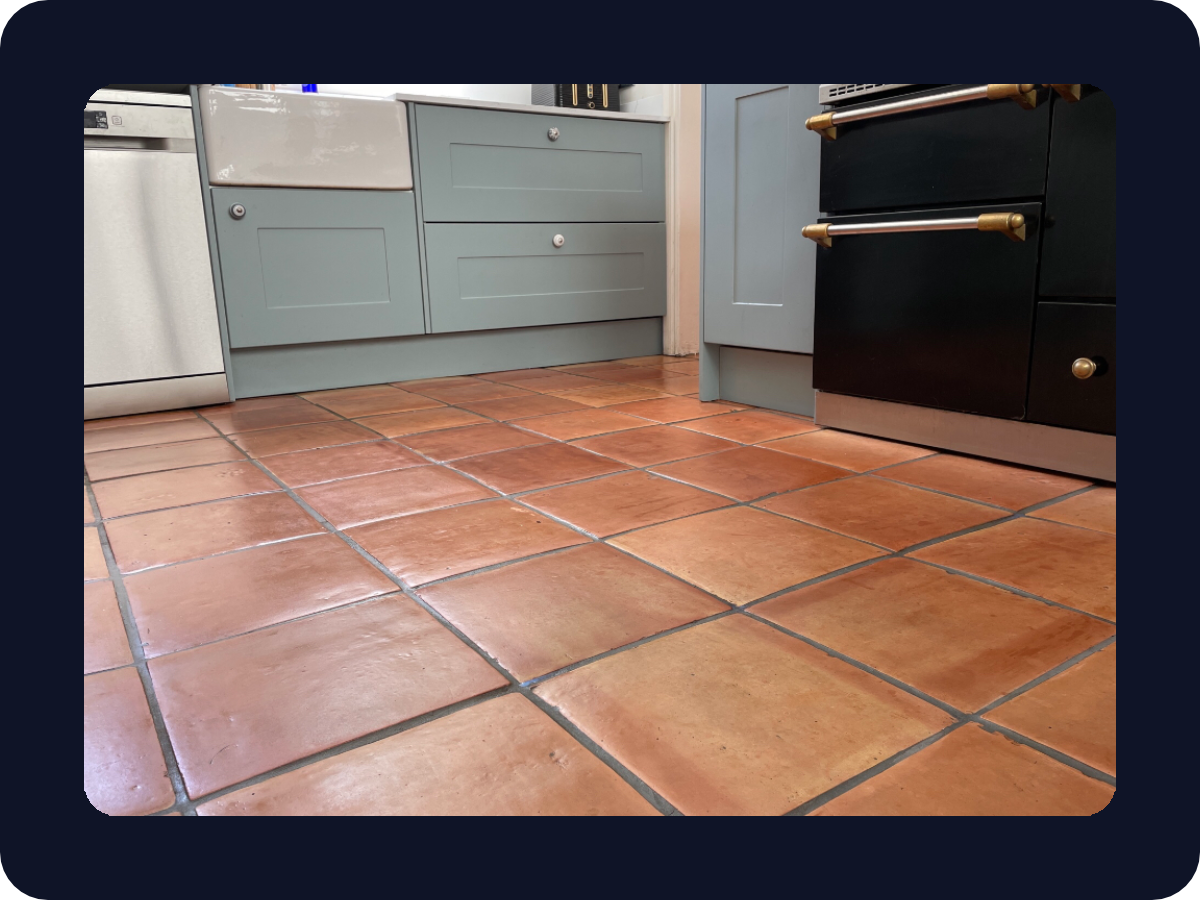
Practical limestone floor cleaning advice covering porosity, acid sensitivity, dullness, sealing limits and when restoration may be needed.
Limestone floors need more care than many people expect.
They can look soft, warm and natural, but limestone is porous and acid-sensitive. The wrong product, too much moisture or years of residue can leave the floor looking dull and uneven.
The first step is to work out whether the floor is dirty, worn, etched, poorly sealed or physically damaged.
Professional limestone floor cleaning can often improve soiling, residue and general dullness where the stone and finish are suitable.
If the limestone is etched, scratched, heavily worn or damaged, cleaning alone may not restore the finish. A stone restoration specialist may be needed for honing, polishing or repair.
Limestone is a natural stone, so it does not behave like ceramic tile or vinyl.
It can be affected by:
Even routine cleaning can cause problems if the products are too strong or leave residue behind.
Limestone can react badly to acidic cleaners.
Products designed for limescale, bathrooms or general heavy-duty cleaning may mark or dull the surface. Once the surface has been etched, cleaning may remove residue but it will not polish the stone back to its original finish.
That distinction is important when setting expectations.
Cleaning deals with contamination on or near the surface.
Restoration may involve:
Those are different services from ordinary cleaning. If the limestone surface is worn or etched, the right answer may be restoration rather than more cleaning.
For the wider distinction, read Stone Floor Cleaning Guide.
Limestone often needs sensible sealing and maintenance, but sealing should never be sold as a magic fix.
Sealer may help reduce absorption in suitable situations. It does not make limestone stain-proof, scratch-proof or maintenance-free.
Suitability depends on:
Professional cleaning may improve:
The result depends on whether the dullness is caused by contamination or by the condition of the stone itself.
Cleaning may not solve:
Where the stone has changed physically, cleaning can make it cleaner without making it look newly restored.
For natural stone assessment and cleaning advice, see Stone Floor Cleaning and Hard Floor Cleaning.
Send us a few photos or tell us what you are dealing with. We will explain whether cleaning, restoration or replacement is the most sensible next step.