
Hard floor cleaning
Tile Cleaning vs Replacement
A practical comparison of tile and grout cleaning versus replacement, including soil, staining, damaged grout, cracked tiles and realistic outcomes.
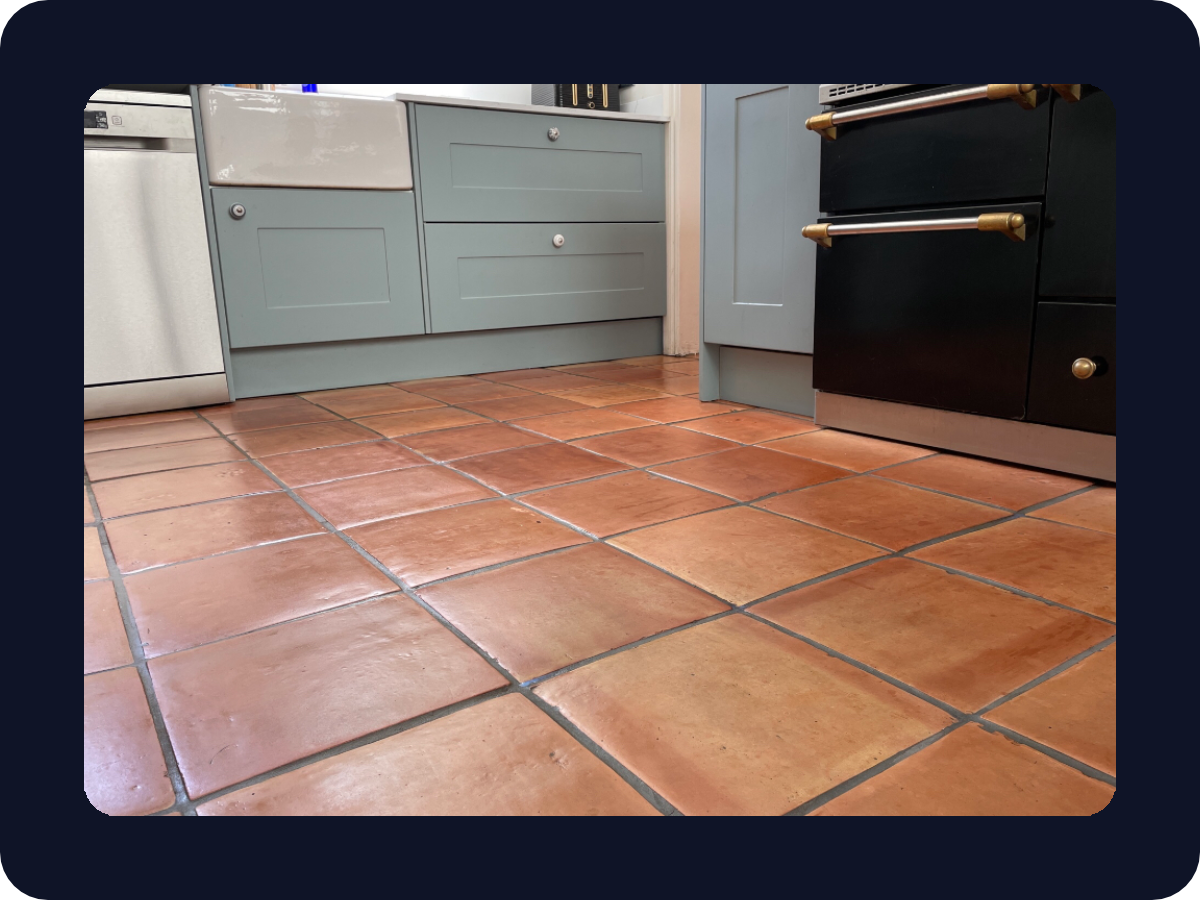
A practical comparison of tile and grout cleaning versus replacement, including soil, staining, damaged grout, cracked tiles and realistic outcomes.
Dirty tile and grout can make a floor look older than it is.
Sometimes professional cleaning is a sensible first step. Sometimes the floor is damaged, the grout has failed or the tiles have reached a point where cleaning alone will not deliver the result the customer expects.
The right answer depends on what is actually wrong.
Tile and grout cleaning may be enough where the main problem is soil, grease, residue, limescale or surface staining.
Replacement or repair may be needed where tiles are cracked, loose, badly damaged, heavily etched or where grout is missing, crumbling or permanently stained.
Cleaning is often worth considering when the floor has:
In these cases, professional cleaning can often improve the appearance and make the floor easier to maintain.
Cleaning has limits.
It cannot normally solve:
If the problem is structural or material damage, cleaning may make the floor cleaner without removing the underlying issue.
Grout usually shows problems before the tile does.
Dark grout may be soil, grease, mould staining, old sealer, limescale or permanent discolouration. Some grout responds well to cleaning. Some needs sealing. Some needs repair or replacement.
For maintenance advice, read Grout Maintenance Guide.
Cleaning is usually less disruptive than replacement, but it should still be judged honestly.
Useful questions include:
Clear expectations are more useful than a promise that every floor can be restored by cleaning.
For tile and grout assessment, see Tile and Grout Cleaning and Hard Floor Cleaning.
Send us a few photos or tell us what you are dealing with. We will explain whether cleaning, restoration or replacement is the most sensible next step.