
Hard floor cleaning
Ceramic Tile Cleaning Guide
Practical ceramic tile cleaning advice covering soil, grout lines, mopping residue, professional cleaning and when repair or regrouting may be needed.
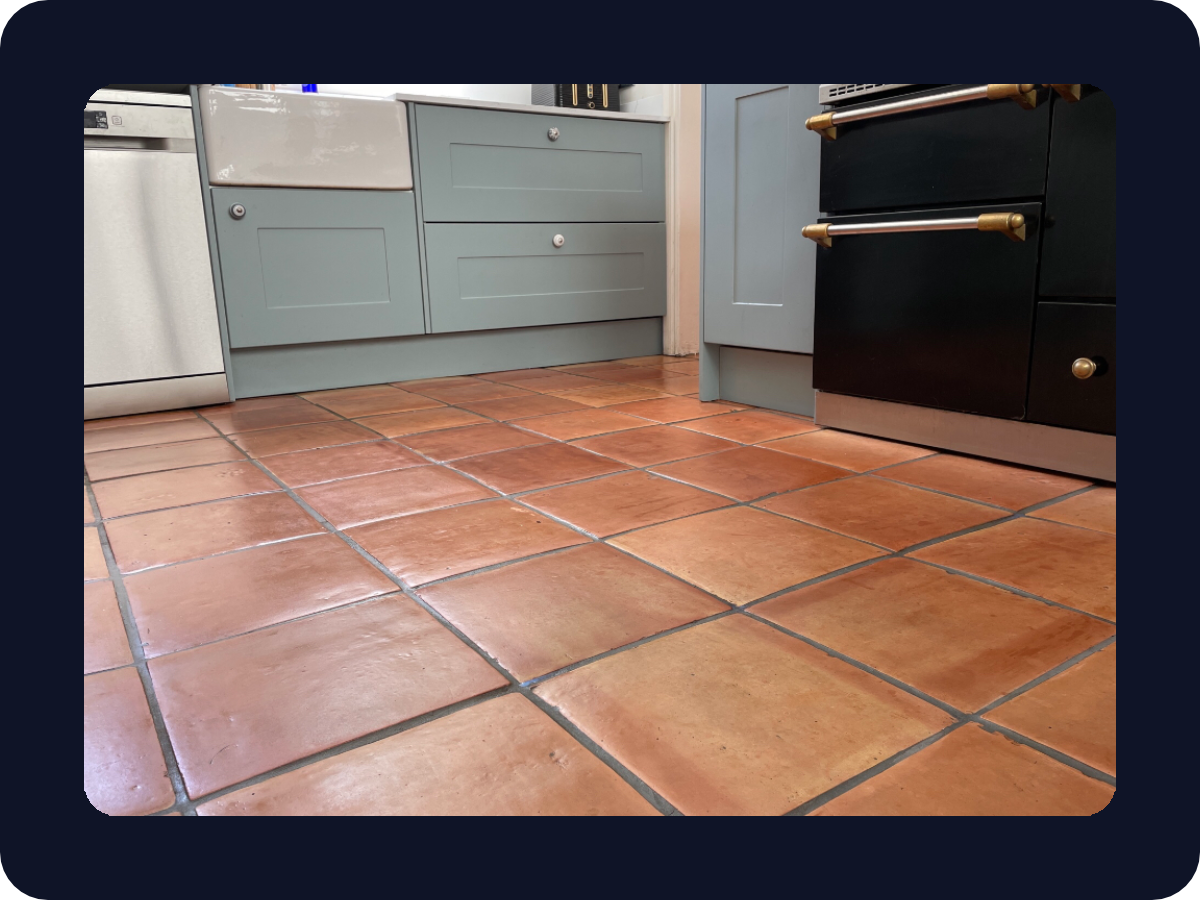
Practical ceramic tile cleaning advice covering soil, grout lines, mopping residue, professional cleaning and when repair or regrouting may be needed.
Ceramic tiles are common in kitchens, bathrooms, hallways and commercial areas because they are hard wearing and easy to maintain day to day.
That does not mean they stay clean by themselves.
Over time, the tile surface can hold detergent residue, the grout can darken and textured areas can trap soil. The floor may still look dirty after mopping because the problem has moved below the surface level that routine cleaning reaches.
Professional ceramic tile cleaning can often improve dirty tiles and grout where the issue is soil, grease or residue.
It should not be confused with tile repair, regrouting or replacement. If tiles are cracked, loose or damaged, cleaning is not the right fix.
Ceramic tiles often lose their clean appearance because of:
The tile itself may be sound while the grout is carrying most of the visible dirt.
Grout is more absorbent and textured than most ceramic tile surfaces.
It also sits slightly lower, so dirty water naturally settles into the joints. That is why a floor can be mopped often and still look dark along the grout lines.
For a fuller explanation, read Grout Cleaning and Sealing Guide.
Professional cleaning may help remove:
The result depends on the tile, grout, previous products and whether staining or damage has become permanent.
Ceramic tile cleaning should not be presented as a cure for every tiled floor problem.
Cleaning will not repair:
When the floor is physically damaged, a tiler or repair specialist may be more appropriate.
Some grout may benefit from sealing after cleaning, but it should not be treated as automatic.
Suitability depends on the grout type, tile type, room use, moisture exposure and previous products. Sealer may help reduce absorption in suitable situations, but it does not make grout stain-proof or maintenance-free.
The same basic principles apply in homes and commercial spaces, but commercial floors often need more planning.
Busy toilets, kitchens, entrances and hospitality areas may need cleaning arranged around access, drying time and slip-risk management. Content about safety or compliance should always be handled carefully and assessed properly on site.
For ceramic tile and grout cleaning advice, see Tile and Grout Cleaning and Hard Floor Cleaning.
Send us a few photos or tell us what you are dealing with. We will explain whether cleaning, restoration or replacement is the most sensible next step.