
Project case study
Fabric Sofa Restoration After Heavy Arm Grease and Body Oil Build-Up
A real upholstery cleaning case study showing how heavy body oil and grease build-up on a fabric sofa was removed without replacing the suite.

A real upholstery cleaning case study showing how heavy body oil and grease build-up on a fabric sofa was removed without replacing the suite.
This fabric sofa had significant darkening on the arms caused by years of body oils, skin contact, grease and general daily use.
The arms had become noticeably darker than the rest of the suite and were beginning to look permanently stained, so the customer wanted to know whether the sofa could be restored without replacing it.
The main issue was concentrated on the sofa arms rather than spread evenly across the whole suite.
That is common on heavily used seating because the same contact areas pick up skin oils, hand grease and day-to-day contamination much faster than the rest of the fabric.
Over time, the darker build-up can make the furniture look far more worn out than it really is.
Sofa arms usually take the most direct contact.
Hands, bare skin, hair products, moisturisers, food residue and general daily living all add small amounts of contamination over time.
Because the build-up happens gradually, people often stop noticing it until the contrast between the arms and the rest of the sofa becomes obvious.
That is one reason sofas are so often assumed to be permanently stained when the main issue is actually accumulated contamination.
Before cleaning started, the first step was checking the fabric condition and deciding whether the darkening looked like removable contamination rather than permanent damage.
The sofa was still structurally sound, which made restoration worth attempting.
That distinction matters because cleaning can remove heavy soiling, but it cannot repair physical wear or fibre damage that has already happened.
The process began with thorough upholstery vacuuming to remove dust, hair, loose debris and embedded dry soil.
Once the surface contamination had been reduced, the heavily soiled arms received targeted pre-treatment using a specialist degreasing solution designed to break down body oils, grease and built-up residue.
The suite was then cleaned using a low-moisture dry foam upholstery system to deep clean the fabric fibres, sanitise the upholstery, lift embedded dirt and deodorise the material.
Controlled low-moisture drying helped keep drying times sensible while reducing the risk of over-wetting.
Wick-back occurs when dirt hidden deep inside the cushion or upholstery filling rises back to the surface during drying, making recently cleaned areas appear dirty again.
It is one reason controlled moisture levels matter so much in upholstery cleaning, especially on heavily used seating.
Keeping the process low in moisture helps reduce drying time and lowers the chance of that deeper contamination reappearing on the surface.
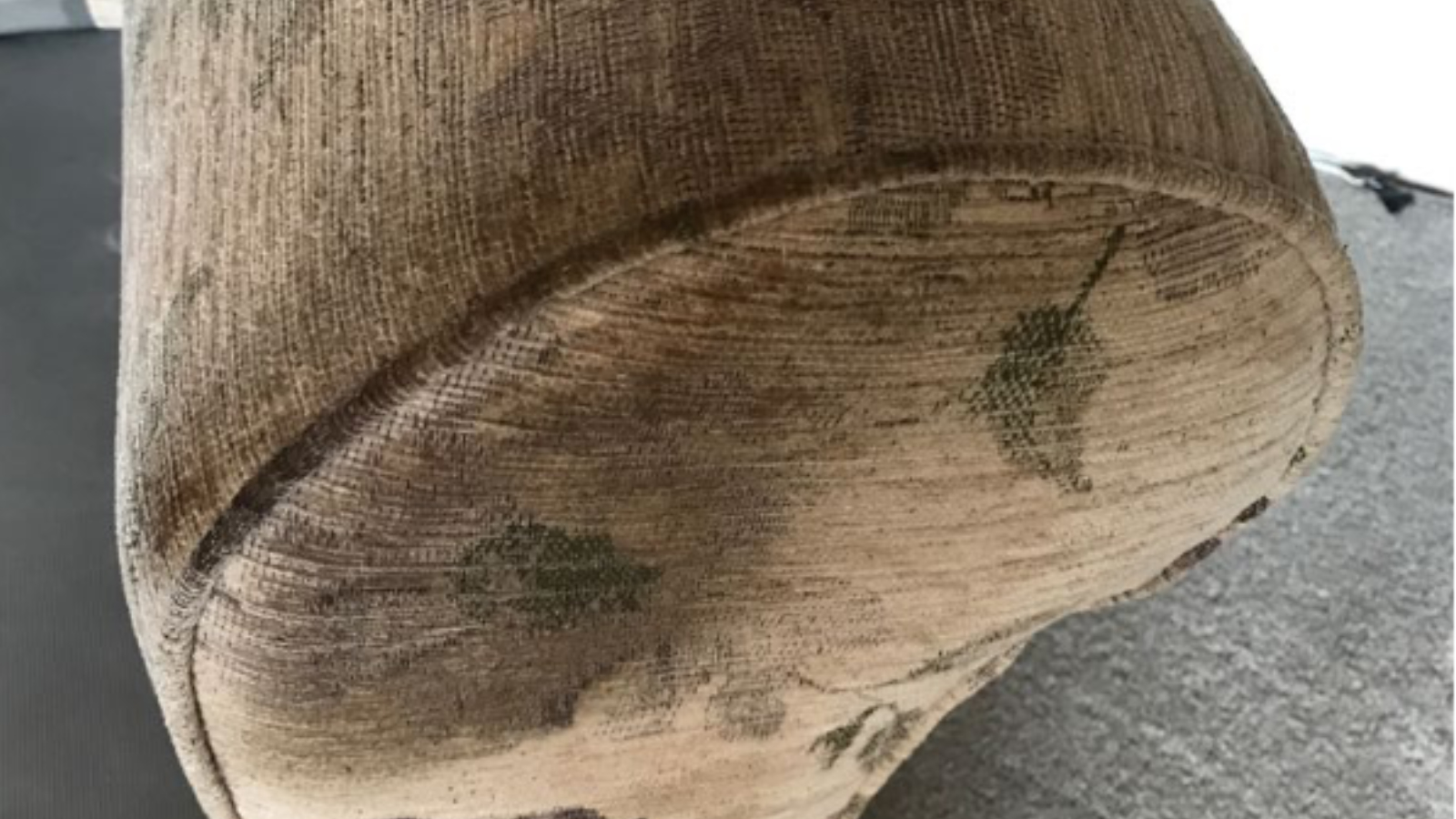
Before cleaning: heavy body oil and grease build-up had gradually darkened the sofa arm through everyday use.
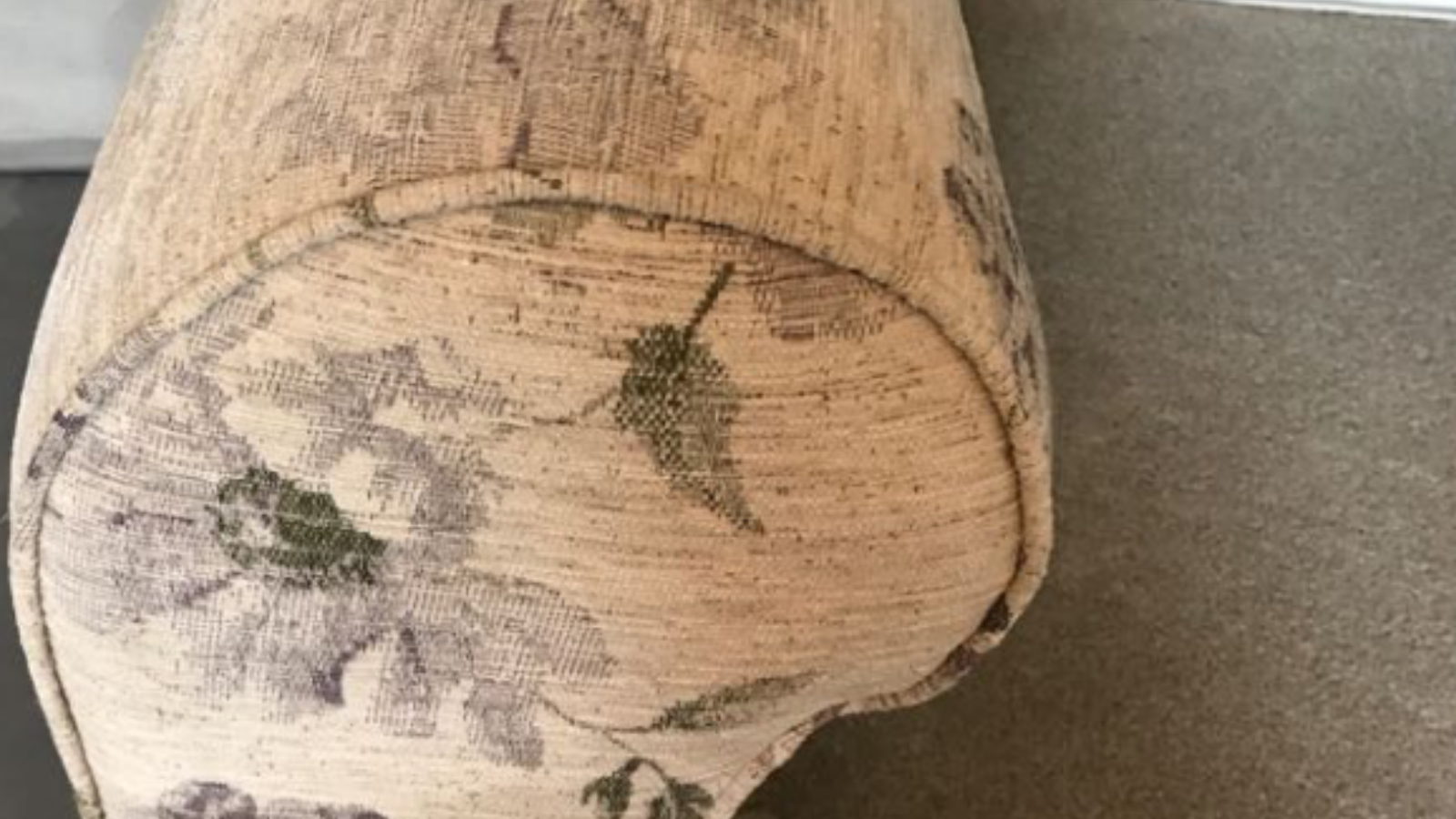
After cleaning: degreasing and low-moisture upholstery cleaning restored a cleaner, brighter finish.
The dark contamination was successfully removed from the sofa arms and the suite returned to a much cleaner, brighter and fresher condition.
The result made it clear that the sofa had not been permanently ruined. It had simply been carrying far more built-up contamination than the customer realised.
Not every sofa can be brought back completely, but many can be improved far more than people expect.
If the frame, cushions and fabric are still fundamentally sound, professional cleaning is often worth exploring before replacement is considered.
That is especially true where the main problem is arm darkening, general dullness or body oil build-up rather than structural damage.
If a sofa is looking darker on the contact areas, tired across the seating or generally less fresh than it used to, it is worth getting it assessed before spending money on replacement.
Our guide Can My Sofa Be Cleaned Or Does It Need Replacing? explains how we usually think about that decision, and our article When to Book Upholstery Cleaning Before Hosting or Relaunching a Space looks at the practical side of timing and room use.
If you are dealing with a similar sofa or upholstered suite, our upholstery cleaning page explains how we approach different fabrics, realistic results and drying expectations. Send a few photos and we can advise on whether cleaning is likely to be the sensible next step.
Send us a few photos or tell us what you are dealing with. We will explain whether cleaning, restoration or replacement is the most sensible next step.