Cream Leather Sofa Cleaning In Durham
This Durham leather cleaning project involved a cream leather sofa suite with wooden frame detailing and leather seating sections that had gradually become dull through normal daily use.
As with many light-coloured leather suites, the change had happened slowly. Body oils, airborne dust and everyday grime had settled into the leather grain over time, reducing the original appearance and leaving the customer wanting the suite cleaned safely, then conditioned and protected afterwards.
The Problem
The suite remained structurally sound, but the leather had become dull and slightly discoloured through ordinary household use.
That is a very common pattern with cream and other light-coloured leather furniture. The seating sections and contact areas usually show body oils and daily grime first, even when the suite itself is still in good general condition.
Because the leather was not cracked or failing, the main issue was appearance rather than damage. The customer wanted it cleaned professionally and protected against future wear without using harsh chemicals.
Inspection And Assessment
After inspection, the leather was found to be in generally good condition with no significant cracking or damage.
The primary issue was surface contamination and ingrained dirt sitting within the grain pattern of the leather. That matters, because when the leather itself is still healthy, cleaning and conditioning are much more likely to produce a noticeable improvement than if the finish has already started breaking down badly.
In this case, the suite did not need repair work. It needed the right leather-safe cleaning approach, followed by nourishment and protection to help keep it in better condition going forward. That kind of timing is exactly why routine maintenance matters, as we explain in our guide on how often leather furniture should be cleaned.
Our Leather Cleaning Process
The first stage was a full vacuum of the sofa to remove loose dust, debris and any dry contamination sitting in the seams and around the frame detailing.
Once that had been done, a specialist water-based leather cleaner was applied and worked gently into the surface using a soft leather cleaning brush. That allows contamination to be lifted from within the grain rather than only wiping across the top layer.
As the dirt loosened, it was removed using clean towels so the contamination was lifted away rather than simply spread around the surface.
After cleaning, a leather nourishment treatment was applied to help support the condition of the material, followed by a leather protection treatment to help reduce future grime build-up and everyday wear.
A final inspection was then carried out to make sure the suite was left clean, even in appearance and properly finished.
We prefer specialist water-based leather products because they are designed to work with the material rather than simply coating it. Water-based products penetrate and nourish the leather rather than leaving greasy surface residues that can attract dirt. Preventing that residue build-up is one reason protecting leather furniture properly is just as important as getting it clean in the first place.
Why Leather Requires Conditioning
Leather naturally loses moisture over time.
Without regular maintenance it can gradually become drier, less supple and more likely to show early signs of ageing. Light-coloured leather can also start to look tired more quickly because surface grime becomes visible long before the structure of the furniture is actually failing.
Conditioning helps:
- maintain suppleness
- improve appearance
- support longevity
- reduce premature ageing
Conditioning does not replace good cleaning, but it is an important part of looking after leather properly once the contamination has been removed.
The Results
The cleaning process removed accumulated grime and restored a brighter, fresher appearance.
The leather looked cleaner, felt smoother and benefited from additional protection against future contamination. Because the products were chosen around the condition of the suite, the result was achieved without resorting to harsh cleaning methods or leaving greasy residue behind.
The customer was pleased to see how much improvement was possible from a careful clean, nourish and protect approach rather than anything aggressive.
Before And After Results
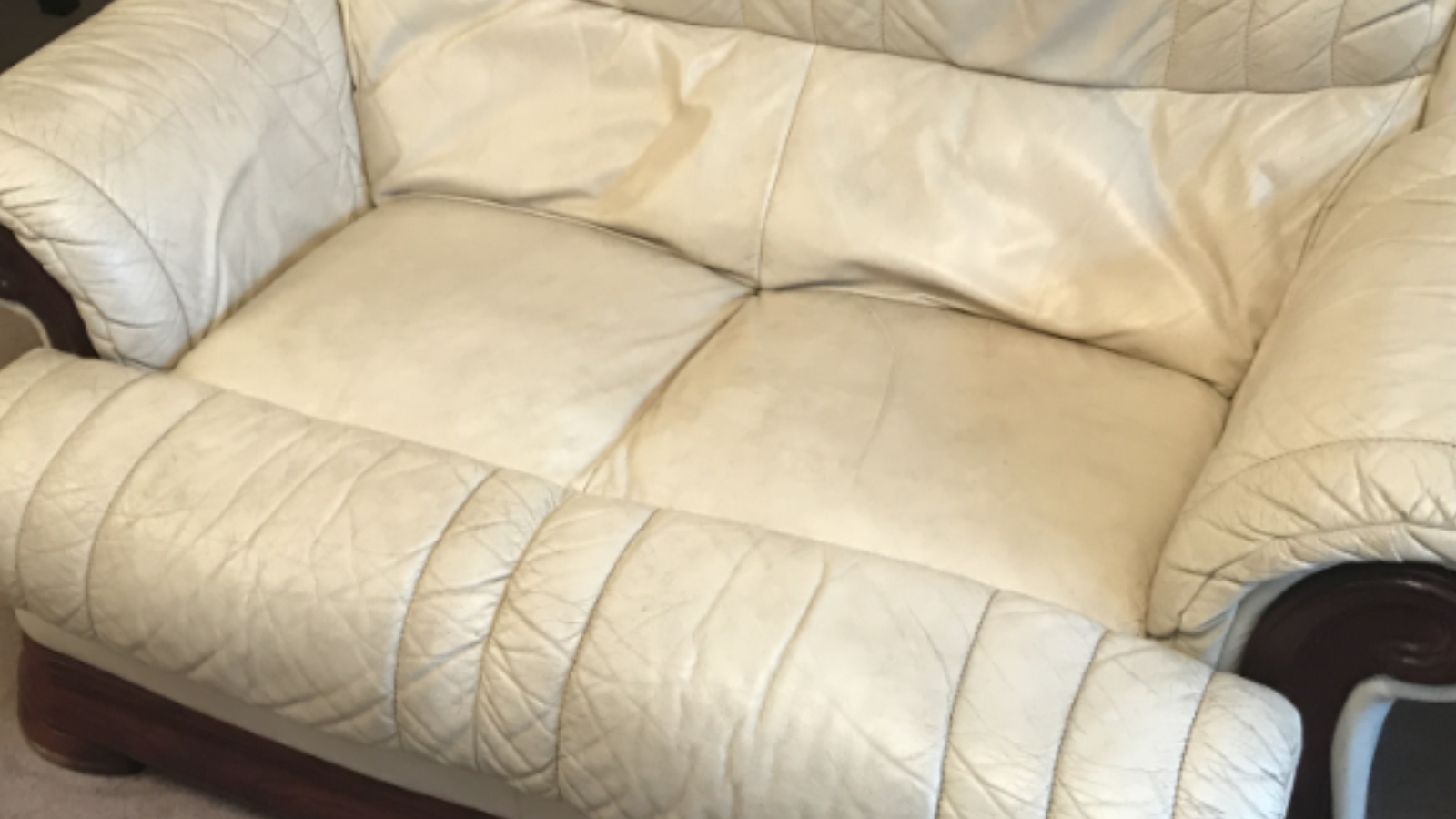
Before cleaning: everyday use, body oils and grime had left the cream leather looking dull and less even in colour.
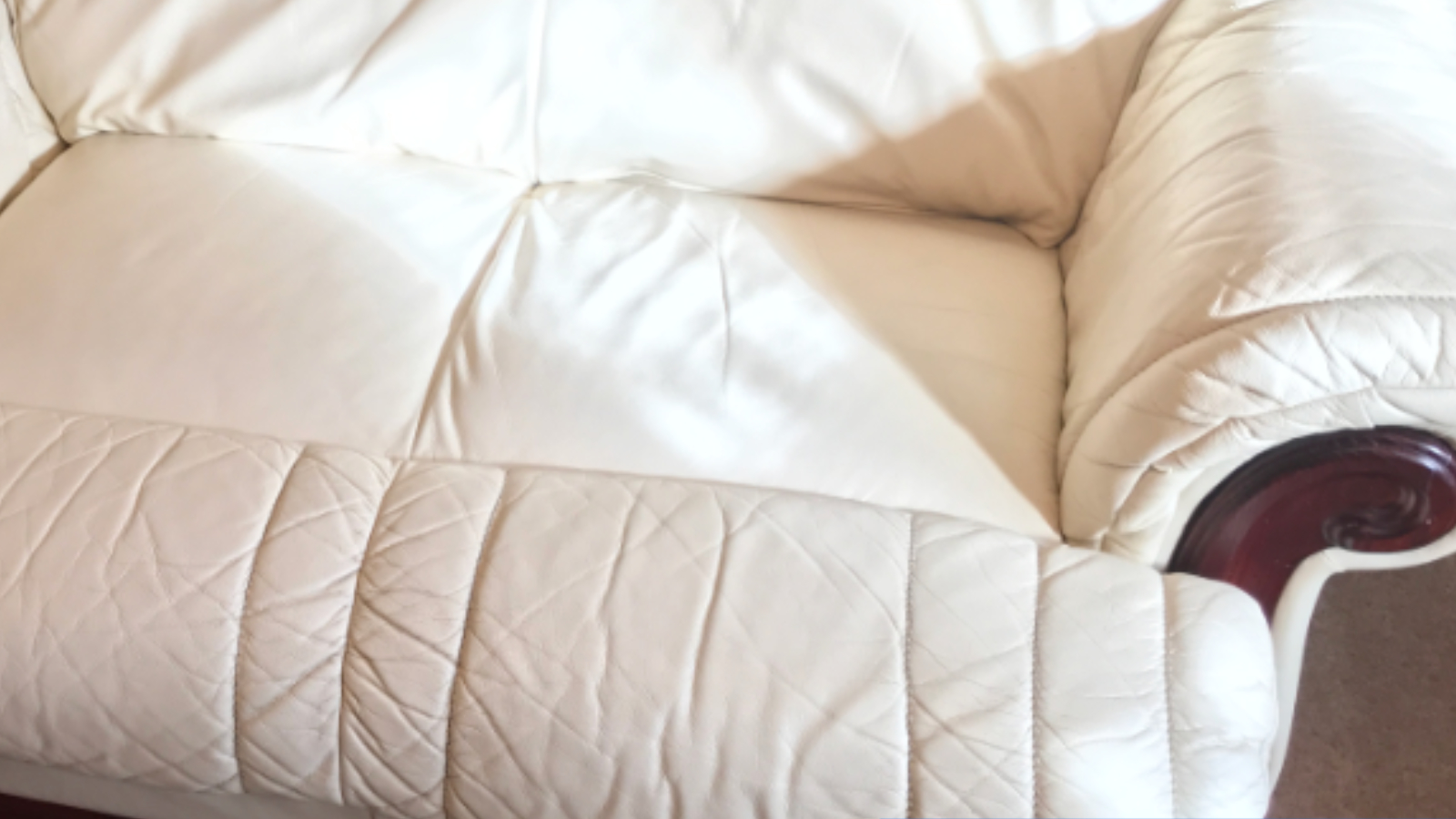
After cleaning: the leather looked fresher, cleaner and better nourished following specialist treatment.
Why Professional Leather Cleaning Matters
Leather needs different products and expectations from fabric upholstery.
Professional leather cleaning matters because it allows the work to be carried out using:
- safer products
- correct pH
- avoiding damage
- leather nourishment
- stain protection
- extending furniture lifespan
Using the wrong household products on leather can leave residues, strip protective coatings or dry the surface unnecessarily. The aim should not just be to make the suite look cleaner on the day, but to clean it in a way that respects the finish and helps the furniture wear better over time. If a suite is starting to feel tacky as well as dull, our guide on why leather becomes sticky explains why that often happens.
That is especially relevant with lighter leather, where grime and body oils show up quickly and where over-aggressive cleaning can do more harm than good.
Final Outcome
This was a straightforward but highly effective leather cleaning project completed in Durham.
The work restored the appearance of the cream leather, improved overall cleanliness and helped protect the suite for future use. Because the leather was still in good condition, a careful clean, nourish and protect process was enough to make a clear visible difference without harsher intervention.
If you have leather seating that has become dull, grimy or tired-looking through normal daily use, our leather cleaning page explains how we approach different finishes and what results are usually realistic.