
Hard floor cleaning
Porcelain Tile Cleaning Guide
Learn why porcelain tiles can look dull, how grout and residue affect appearance, and when professional tile cleaning may help.
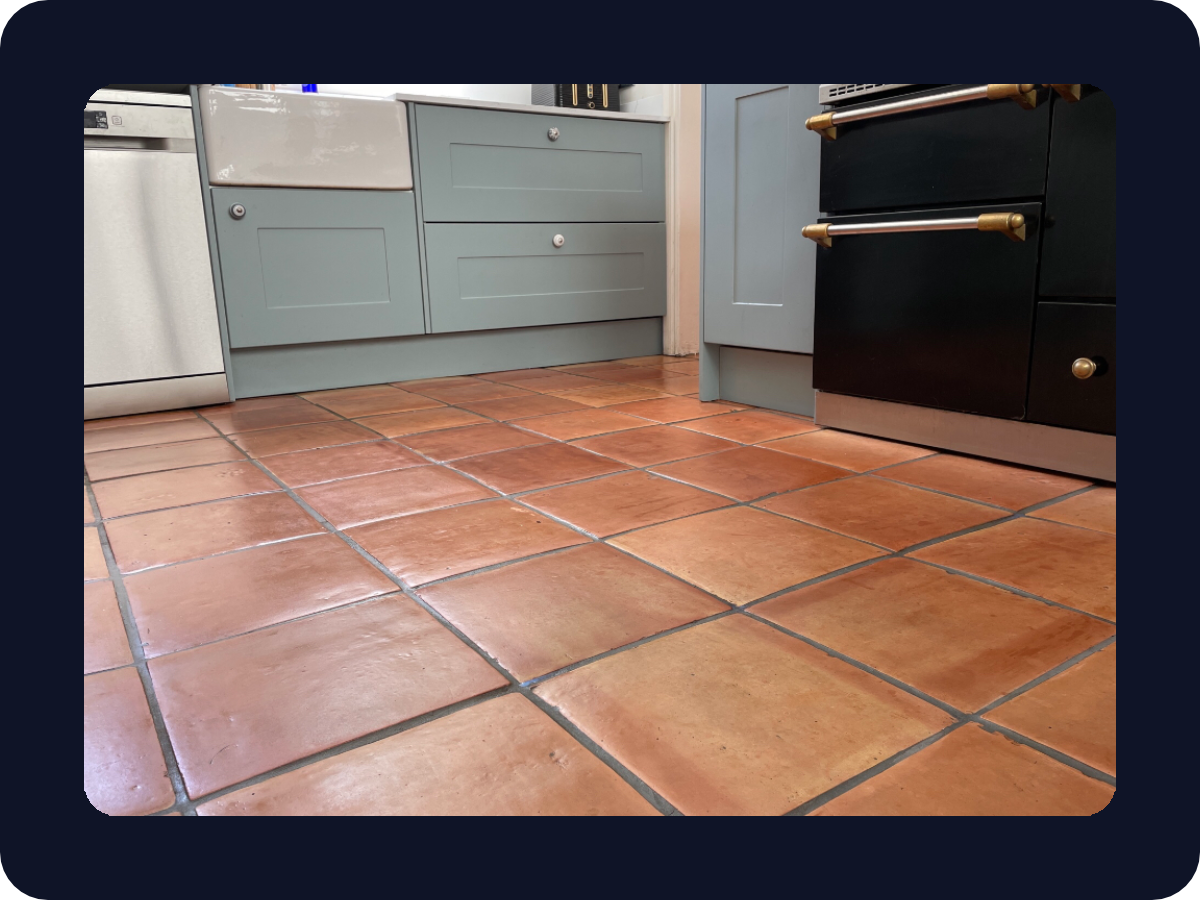
Learn why porcelain tiles can look dull, how grout and residue affect appearance, and when professional tile cleaning may help.
Porcelain tiles are often chosen because they are dense, durable and practical.
They can still become frustrating to maintain.
Some porcelain floors look clean when newly installed but gradually become dull, streaky or grey in the traffic areas. The issue is often not the tile failing. It is usually soil, residue, texture and grout working together.
Professional porcelain tile cleaning can often improve floors affected by ingrained soil, dirty grout, detergent residue and textured surface contamination.
It does not repair cracked tiles, failed grout, installation issues or permanent damage.
Porcelain is often dense, but the surface finish matters.
Polished, matt, structured and anti-slip porcelain can all behave differently. Textured porcelain can hold fine soil in the surface pattern, especially in kitchens, entrances and commercial areas.
Common causes of dull porcelain include:
Routine mopping can help, but it can also spread soil if the water or mop head is dirty.
On textured porcelain, dirty water can dry into the surface and grout lines. Over time the floor looks dull even though it is cleaned regularly.
For a related explanation, see Why Do Floor Tiles Look Dirty After Mopping?.
Professional cleaning may help with:
The method should be chosen for the tile surface and the level of contamination. Aggressive products are not automatically better.
Cleaning is not a substitute for repair.
It will not fix:
If the floor is damaged, a tiler or flooring specialist may be needed.
Not every porcelain floor needs sealing.
Some porcelain surfaces are very low porosity. Others, especially certain polished or textured finishes and grout lines, may need a more careful assessment. Sealing should be discussed as a separate suitability question, not as a default promise.
For broader sealing advice, read Should Tile and Stone Floors Be Sealed?.
In commercial settings, porcelain cleaning needs to be planned around access, drying, staff movement and customer safety.
Cleaning may improve appearance, but it should not be used to make unsupported claims about slip ratings or compliance. If a floor has safety requirements, formal assessment and manufacturer guidance may be needed.
For porcelain tile and grout cleaning advice, see Tile and Grout Cleaning and Hard Floor Cleaning.
Send us a few photos or tell us what you are dealing with. We will explain whether cleaning, restoration or replacement is the most sensible next step.