
Tile and grout cleaning
Tile and Grout Cleaning Guide
A practical guide to professional tile and grout cleaning, including dirty grout, residue, sealing questions and when repair or replacement may be needed.
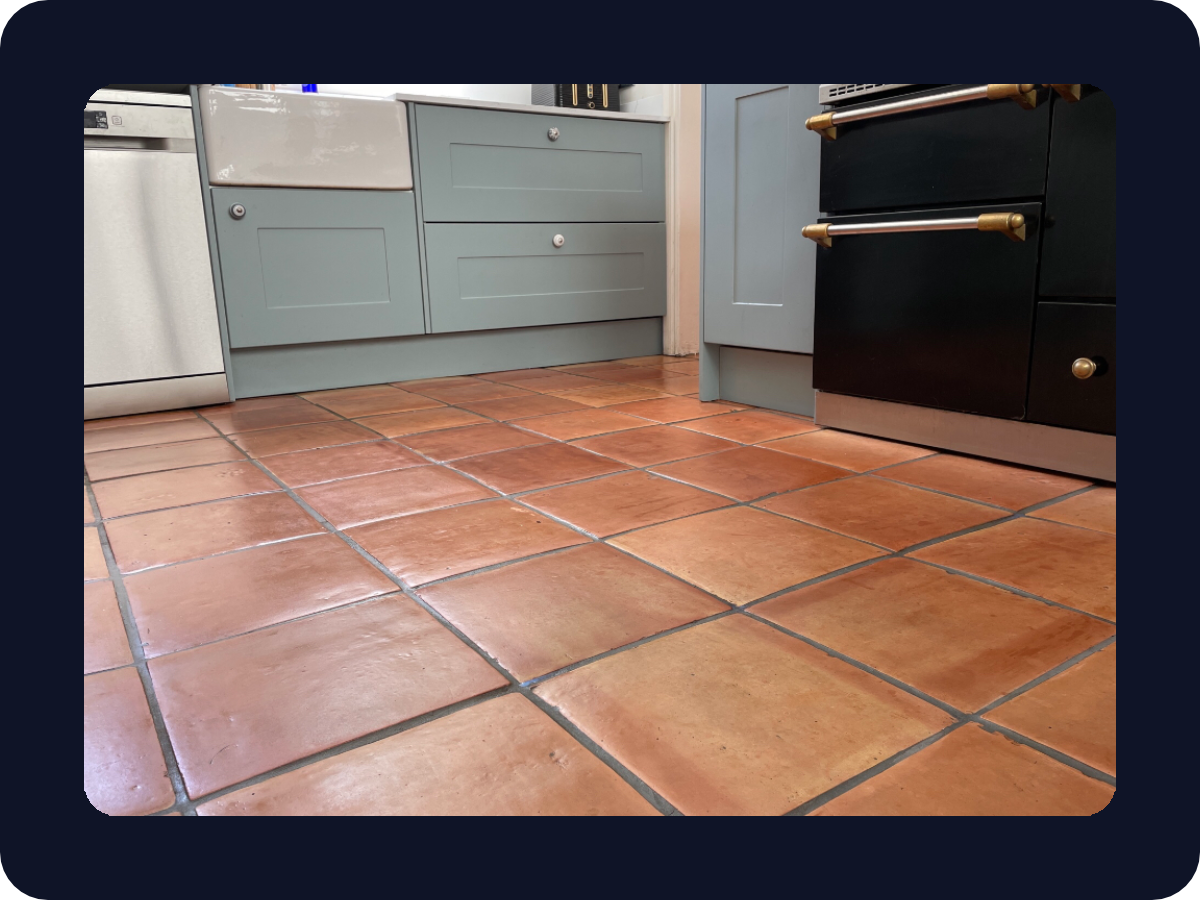
A practical guide to professional tile and grout cleaning, including dirty grout, residue, sealing questions and when repair or replacement may be needed.
Tiles are usually easy to wipe on the surface, but grout lines and textured tiles can hold soil long after normal mopping stops working.
That is why a tiled floor can still look dull, patchy or grey even when it has just been cleaned.
Professional tile and grout cleaning can remove suitable built-up soil, detergent residue and embedded dirt from many tiled floors and wall tiles.
It cannot repair cracked tiles, replace missing grout, fix failed adhesive or guarantee that permanently stained grout will return to its original colour.
Grout is more porous and textured than most tile surfaces.
It can collect:
Once dirt settles into grout lines, ordinary mopping often moves soil around rather than removing it fully.
Dull tiles are often caused by residue.
Common causes include:
Professional cleaning aims to break down that build-up and extract the dirty solution instead of spreading it across the floor.
Cleaning may help with:
Results depend on tile type, grout condition and what has been applied before.
Some issues are not cleaning problems.
Cleaning will not fix:
In those cases, repair, regrouting or replacement may be more sensible than repeated cleaning.
Sealing can help some grout resist staining and make maintenance easier, but it is not right for every floor.
The decision depends on the grout, tile type, moisture exposure and product suitability. Sealing should not be promised before the floor has been assessed.
For suitable tile and grout cleaning, see Tile and Grout Cleaning.
For broader hard-floor assessment, see Hard Floor Cleaning.
Send us a few photos or tell us what you are dealing with. We will explain whether cleaning, restoration or replacement is the most sensible next step.