
Rug cleaning
Rug Stain Removal Guide
Practical rug stain removal guidance covering fresh spills, dye bleed risk, wool and specialist rugs, pet accidents and realistic outcomes.
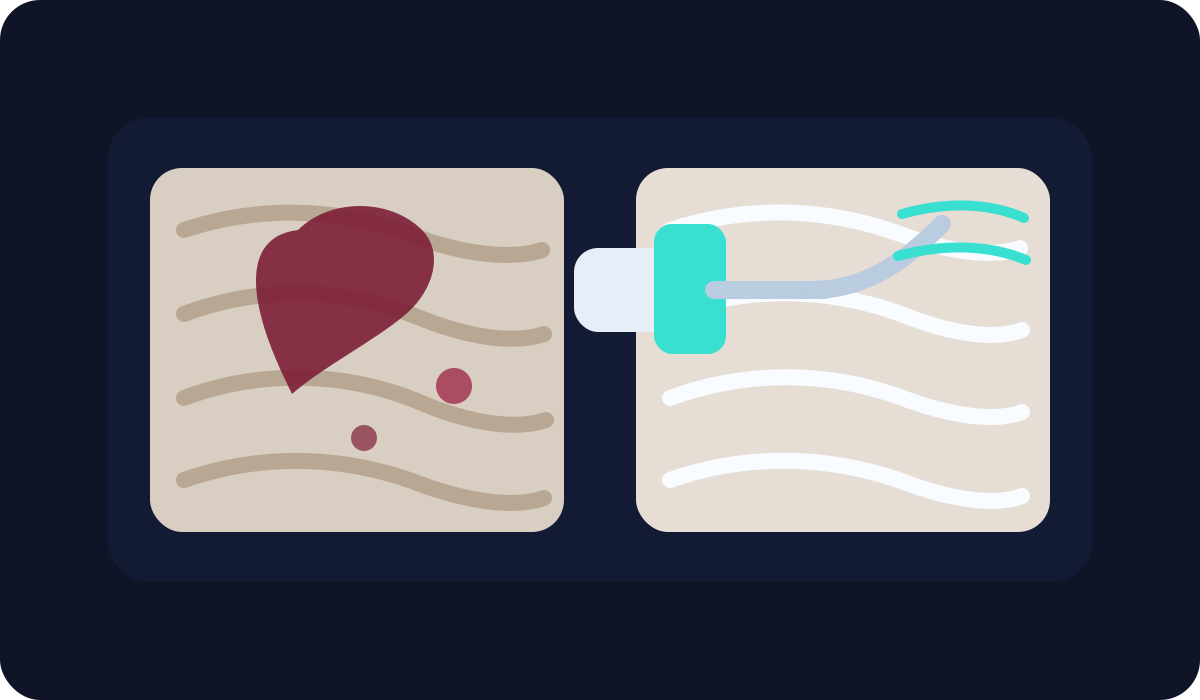
Practical rug stain removal guidance covering fresh spills, dye bleed risk, wool and specialist rugs, pet accidents and realistic outcomes.
Rug stains need calmer handling than most people expect.
The first few minutes matter, but so does knowing when to stop. Scrubbing, soaking or repeatedly applying products can turn a manageable spill into dye bleed, distortion or a permanent mark.
Blot fresh rug spills gently, avoid scrubbing and do not use strong stain removers without checking suitability.
No responsible cleaner should guarantee every rug stain will be removed. Fibre, dye stability, backing, stain type, age and previous products all affect the result.
Rugs can be more complex than fitted carpets because they may have:
Treating only the visible surface may not deal with what has reached the backing.
For a fresh spill:
If colour transfers to the cloth, stop and get advice.
Higher-risk rug stains include:
Some stains change fibre or dye permanently, especially if they are old or have already been treated.
Pet accidents can move below the face fibres and into the backing.
Cleaning the visible mark may not remove odour if contamination has spread deeper. Repeated wetting can also make odour worse if the rug dries slowly.
For odour detail, read Rug Odour Removal Guide.
Some rugs release colour when wet or treated with the wrong product.
This is especially important with red, dark, handmade, oriental, Persian and unstable-dye rugs. For more detail, read Rug Dye Bleed Risk Guide.
Professional cleaning may improve many stains, but outcome depends on:
Wear, fading and fibre damage cannot be cleaned away.
For rug stain assessment and professional cleaning advice, see Rug Cleaning.
Send us a few photos or tell us what you are dealing with. We will explain whether cleaning, restoration or replacement is the most sensible next step.