Pet odour advice Pet odour & pet accident advice.
Pets are part of the family, but accidents, odours and stains can be frustrating. These guides explain what causes pet-related carpet problems, what can realistically be removed and when professional treatment may help.
Pet odourRug cleaningRug odour
Pet odour in rugs can be more complex than a surface smell. Urine and moisture may reach the backing, underlay or floor beneath the rug.
21 July 2026 Read article Professional rug cleaningRug cleaningRug care
Professional rug cleaning should start with the rug itself: fibre, dyes, backing, construction, soil level, staining and drying conditions all affect the safest advice.
21 July 2026 Read article Carpet drying timeCarpet cleaningLow moisture cleaning
Carpet drying time depends on cleaning method, fibre, room airflow, soil load, weather and how much moisture the carpet needed during cleaning.
18 July 2026 Read article High traffic carpetsCommercial carpet maintenanceCarpet tiles
High-traffic carpets need planned maintenance because entrances, corridors and walkways soil faster than quieter areas.
18 July 2026 Read article Commercial carpet maintenanceCommercial carpet cleaningCarpet tiles
Commercial carpet maintenance works best when it is planned around use, soil load, access, drying time and realistic expectations.
17 July 2026 Read article Care home carpet cleaningCommercial carpet cleaningCarpet odour advice
Care home carpet cleaning needs careful planning because access, drying, odours, stains and resident disruption all affect the right approach.
13 July 2026 Read article Church carpet cleaningCommercial carpet cleaningCommunity building cleaning
Church carpets often need cleaning that respects mixed use, careful access, limited budgets and realistic expectations around wear and stains.
13 July 2026 Read article Hotel carpet cleaningCommercial carpet cleaningHospitality cleaning
Hotel carpet cleaning needs careful planning because presentation, drying time, access and guest disruption all matter at the same time.
13 July 2026 Read article Restaurant carpet cleaningPub carpet cleaningCommercial carpet cleaning
Restaurant and pub carpets need cleaning plans that account for food, drink, grease, heavy footfall, odours and tight reopening times.
13 July 2026 Read article School carpet cleaningCommercial carpet cleaningCarpet maintenance
School carpet cleaning works best when access, drying time, traffic levels and realistic outcomes are planned before the work starts.
13 July 2026 Read article Oriental rug cleaningRug cleaningSpecialist rug care
Oriental rugs should not be treated as ordinary fitted carpet. Fibre, dyes, construction, age, value and drying risk all affect the safest cleaning advice.
12 July 2026 Read article Carpet cleaningCleaning methodsLow moisture cleaning
The best carpet cleaning method depends on the carpet, soiling, staining, drying conditions and what the room needs after cleaning.
Carpet odourCarpet cleaningStain removal
Carpet odours can come from surface soiling, residue, damp, backing, underlay or contamination, so treatment depends on the cause and depth.
Carpet stainsStain removalCarpet cleaning
Some carpet stains can be improved or removed, but results depend on the fibre, dye stability, stain type, age and what has already been used.
Commercial carpet cleaningCarpet stainsOffice carpet cleaning
Commercial carpet stain removal depends on the stain type, fibre, age, previous treatment and whether the mark is staining, soiling or wear.
Carpet cleaningLow moisture cleaningDry carpet cleaning
Low-moisture carpet cleaning can reduce disruption and drying time, but the right method still depends on the carpet, soiling, staining and site conditions.
Commercial carpet cleaningLow moisture cleaningCarpet maintenance
Low-moisture commercial carpet cleaning can help keep offices and workplaces presentable with less downtime, especially when it is planned before carpets become heavily soiled.
Carpet cleaningLow moisture cleaningCleaning methods
Low-moisture cleaning and hot water extraction can both be useful, but the right choice depends on carpet type, soiling, drying conditions and disruption.
Commercial carpet cleaningOffice carpet cleaningOut of hours cleaning
Out-of-hours carpet cleaning can reduce disruption, but access, drying, security and realistic method selection still need planning.
Pet stainsOdour removalCarpet cleaning
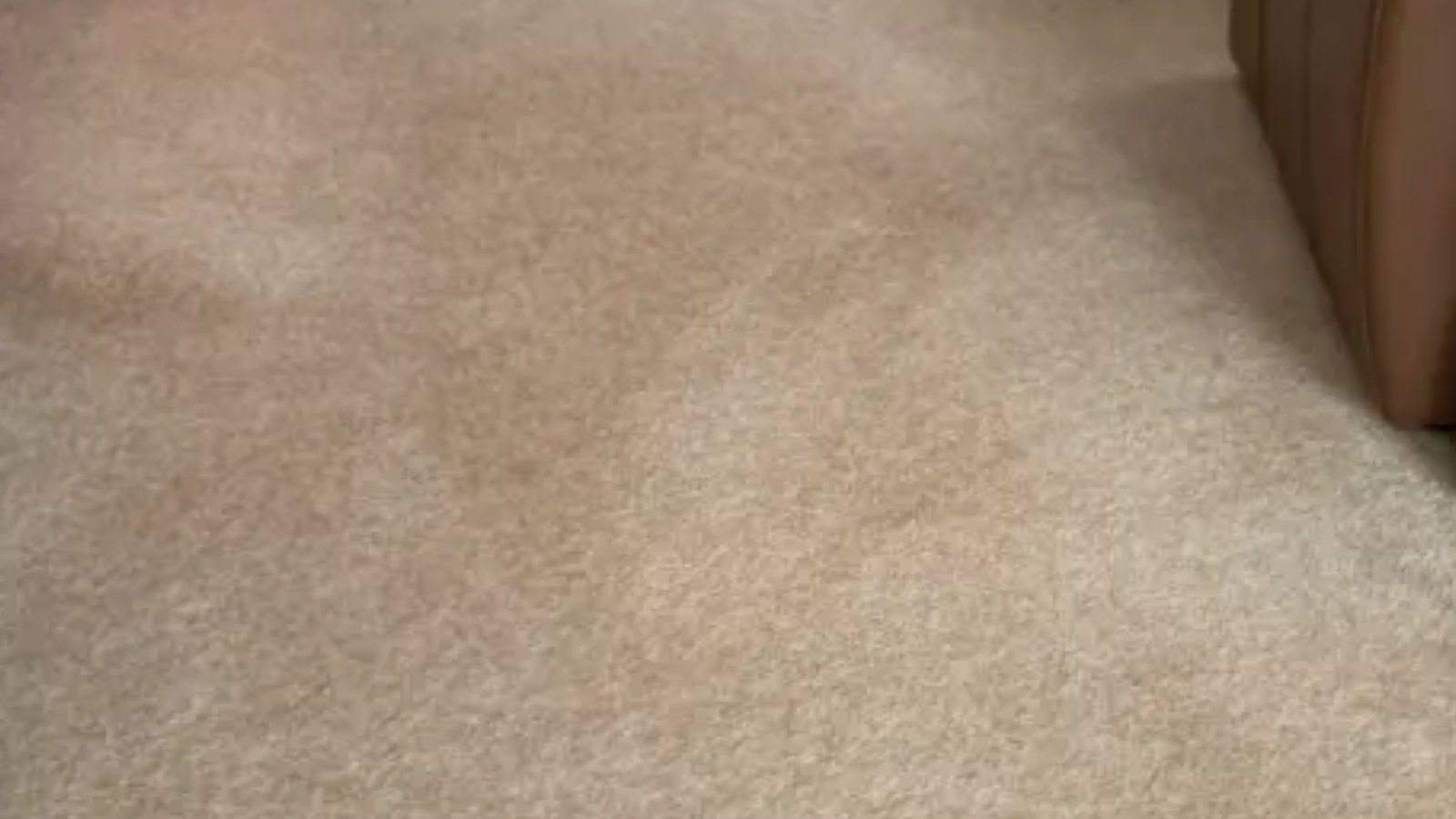
Pet stains and odours can often be improved, but results depend on the source, age, depth of contamination, previous products and whether underlay or flooring has been affected.
Carpet cleaningDIY cleaningProfessional cleaning
DIY carpet cleaning can help with light freshening, but professional assessment is usually safer for valuable carpets, stains, odours and uncertain fibres.
Carpet cleaningTraffic lanesCommercial carpet cleaning
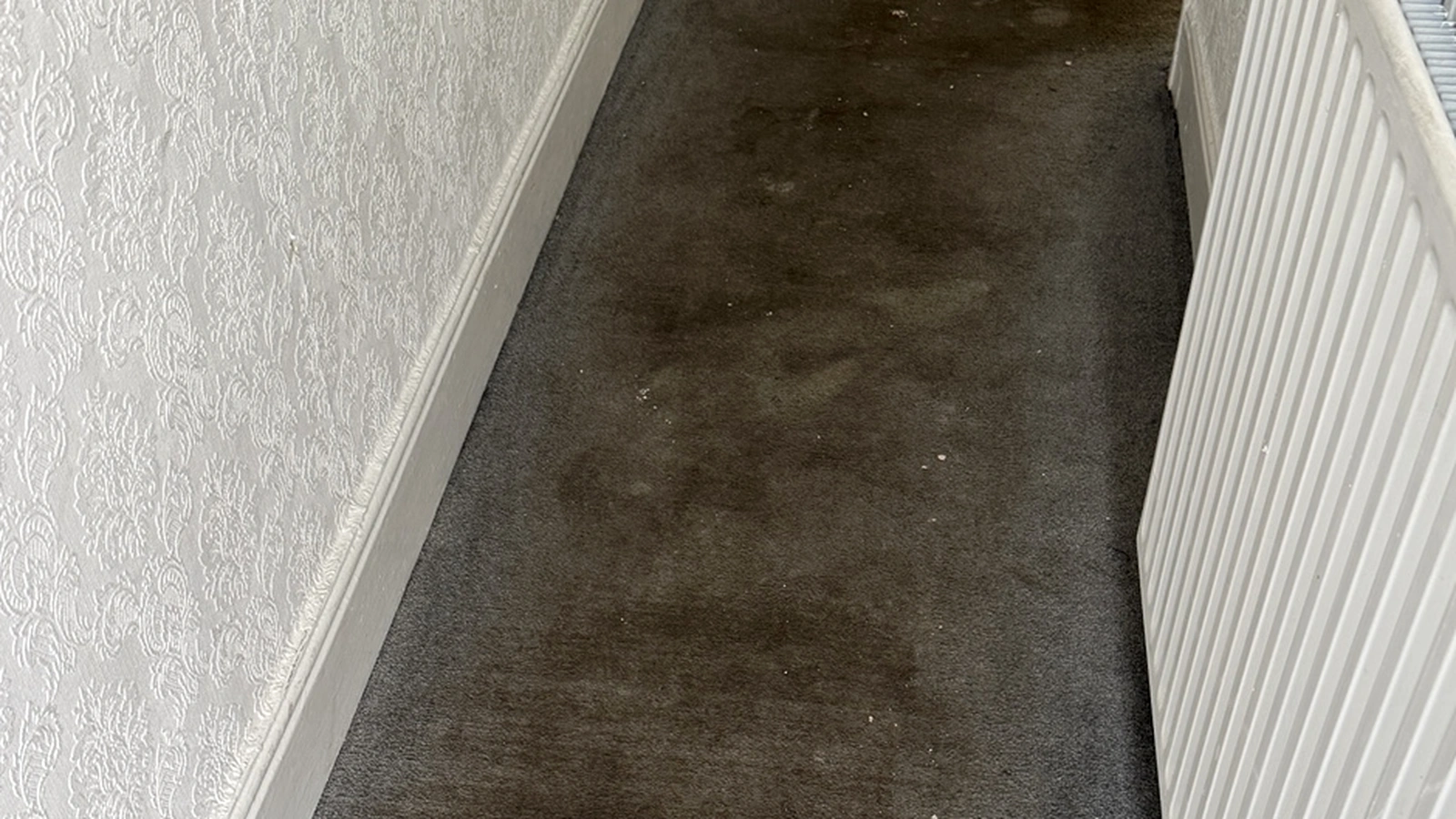
Dark carpet traffic lanes may be soil, wear, pile distortion or residue, so cleaning can help in many cases but cannot reverse every worn walkway.
Dry carpet cleaningLow moisture cleaningCarpet cleaning
Dry carpet cleaning usually means a low-moisture process that reduces drying time, but it still has to suit the carpet, soiling and room conditions.
Wool carpet cleaningCarpet cleaningCarpet care
Wool carpets can clean very well, but they need careful assessment because fibre, dye stability, soil load, old products and drying conditions all affect the safest method.
Carpet tilesCommercial carpet cleaningMaintenance
Carpet tile maintenance works best when it is planned around traffic, access, drying time and realistic expectations rather than waiting until every walkway looks worn.
Coffee stainsStain removalCarpet cleaning
Coffee stains can often be improved, but results depend on fibre, colour, stain age, milk or sugar content and what has already been used on the area.
Red wine stainsStain removalCarpet cleaning
Red wine stains can sometimes be improved, but fibre type, stain age, colour, previous cleaning attempts and how deeply the spill travelled all matter.
Rug cleaningCarpet cleaningRug care
Rugs and fitted carpets can look similar, but they are not always cleaned in the same way. Fibre, construction, dyes, backing and drying all affect the safest advice.
Carpet cleaningDry carpet cleaningLow moisture cleaningSteam cleaning
Dry carpet cleaning and steam cleaning both have a place. The right choice depends on the carpet, the soil, the drying conditions and what result is realistic.
Carpet cleaningDry carpet cleaningLow moisture cleaningCommercial carpet cleaning
Encapsulation carpet cleaning can be a useful low-moisture method, but it is not a magic answer for every carpet. The right recommendation starts with assessment.
Commercial cleaningCommercial carpet cleaningOffice cleaning
The right commercial carpet cleaning schedule depends on footfall, building use and presentation requirements rather than a fixed timetable.
4 February 2026 Read article Commercial cleaningCommercial carpet cleaningCarpet replacementFacilities management
Many commercial carpets that look ready for replacement can often be improved significantly through professional cleaning. The key is understanding the difference between wear and soiling.
21 January 2026 Read article Commercial cleaningOffice cleaningCarpet cleaningLow moisture cleaning
Many offices need cleaner carpets without long drying times or major disruption. Low-moisture cleaning is often chosen for exactly that reason.
7 January 2026 Read article Carpet cleaningCarpet odoursPet odoursCarpet drying
If a carpet still smells after cleaning, the problem is often deeper contamination rather than the cleaning itself. The key is identifying where the odour is really coming from.
25 December 2025 Read article Carpet cleaningPet stainsCarpet stains
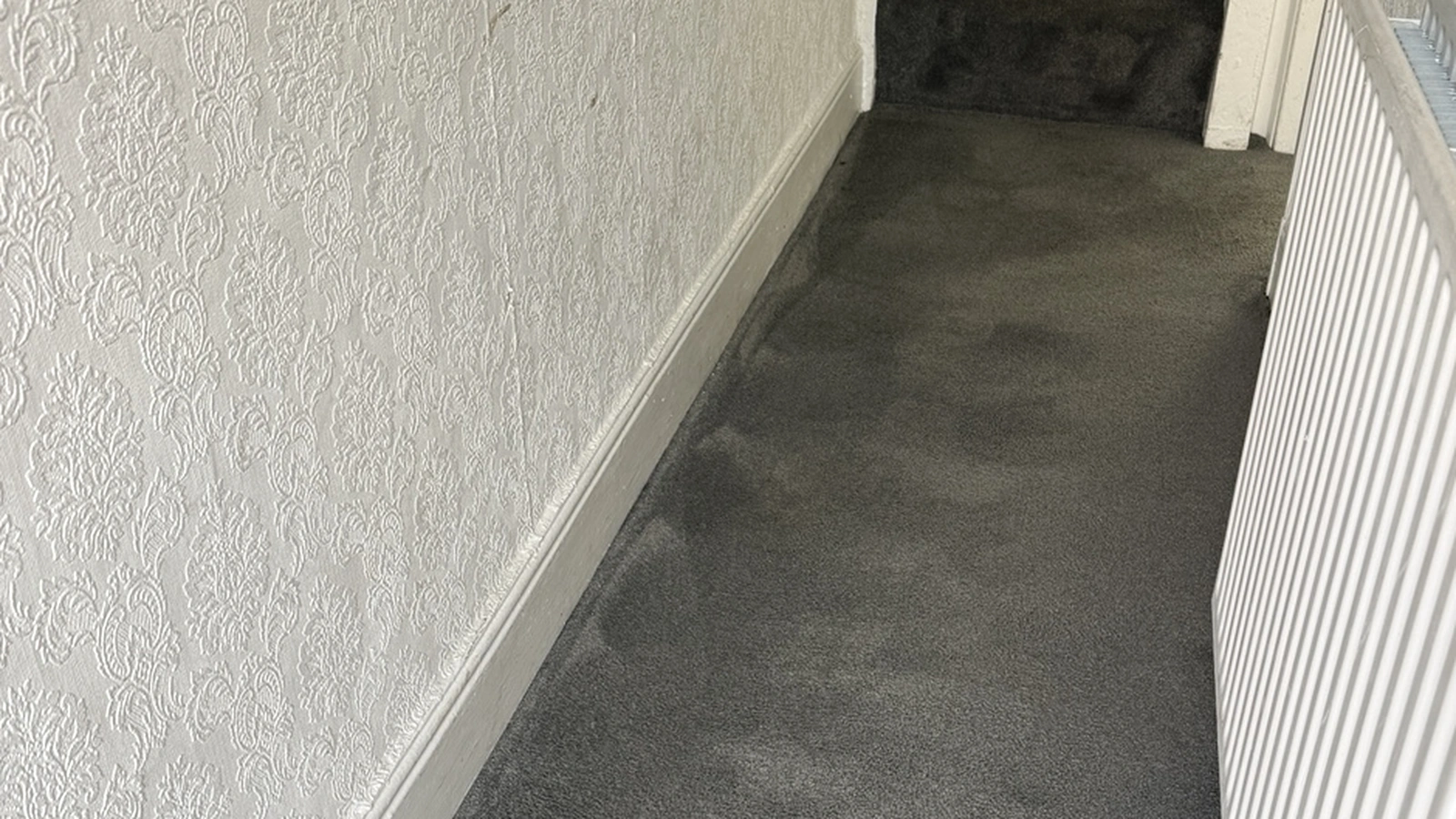
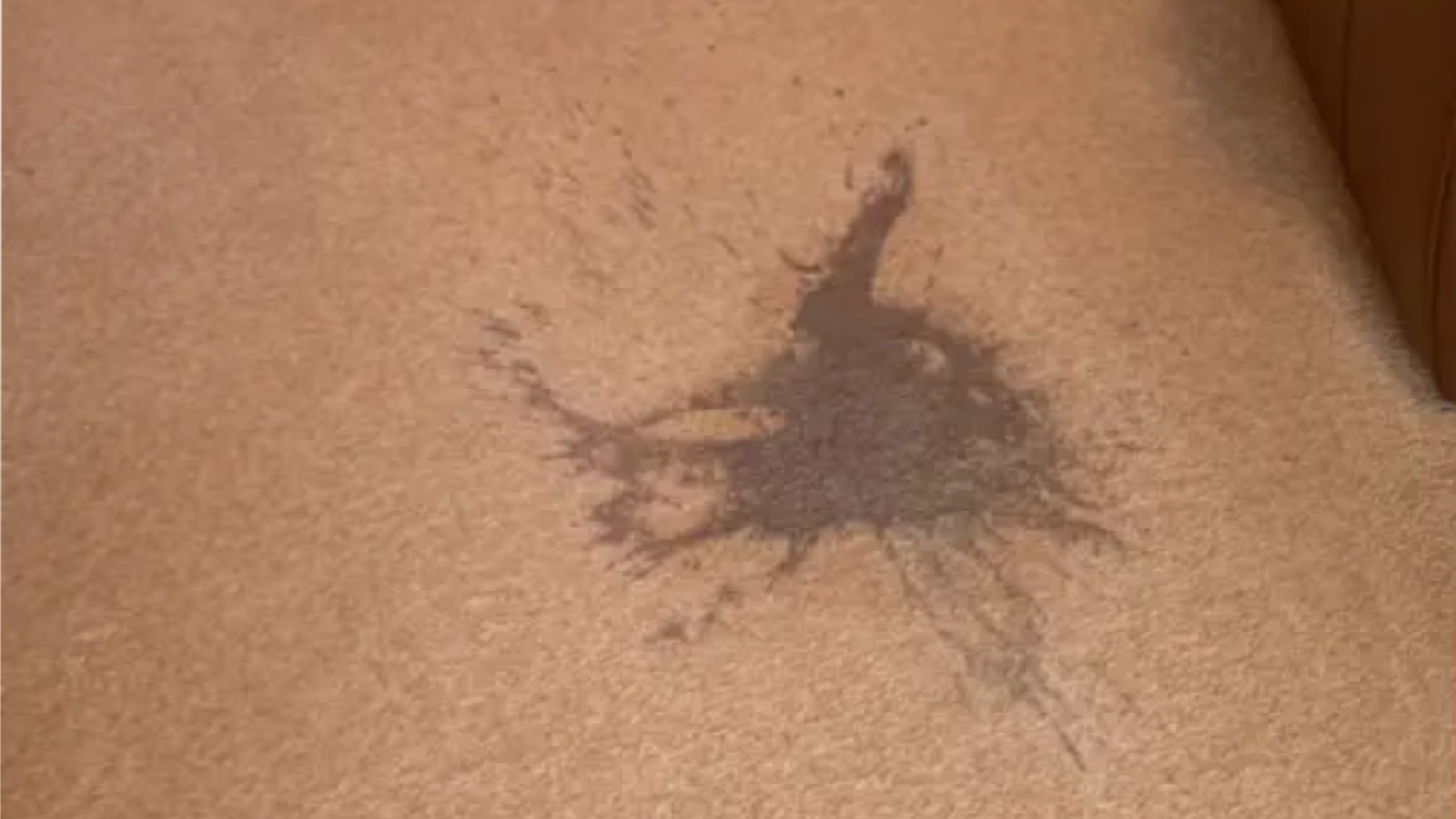
Pet accidents do not always mean a carpet needs replacing, but the outcome depends on what caused the stain, how long it has been there and how the carpet has been treated previously.
31 October 2025 Read article Carpet cleaningCarpet restorationCarpet replacement
Many carpets that look ready for replacement can still respond well to cleaning. The key is understanding the difference between dirt, staining and wear.
21 September 2025 Read article Carpet cleaningLow moisture cleaningDrying times
One of the most common questions we hear is how long carpets take to dry after cleaning. The answer depends on the method used and the conditions in the room.
7 September 2025 Read article Commercial cleaningCommercial carpet cleaningCarpet tile cleaningOffice cleaning
Commercial carpet tiles are durable, but they still collect traffic lanes, oils and everyday soiling. The best cleaning method usually depends on the building, the contamination and how much disruption is acceptable.
24 August 2025 Read article Commercial cleaningOffice cleaningCommercial carpet cleaningCarpet maintenance
Office carpets collect more dirt, grit and residue than many workplaces realise. The right cleaning schedule can help maintain appearance, improve hygiene and delay replacement.
Carpet cleaningPet accidentsCarpet sanitisingPet odours
Pet accidents often leave homeowners worried about more than stains alone. Proper carpet treatment usually involves cleaning, odour control and, where appropriate, sanitising as well.
Carpet cleaningDog odoursPet odoursCarpet odour removal
Dog smells in carpet are one of the most common issues we hear about. The key is removing the source of the odour rather than trying to cover it up.
Commercial cleaningCommercial carpet cleaningCarpet maintenanceOffice cleaning
Commercial carpet maintenance should follow how the building is used, where soil appears first and what level of disruption the organisation can tolerate.
28 March 2025 Read article Carpet cleaningPet stainsCarpet stain removalPet odours
Pet stains can sometimes seem to disappear and then return a few days later. In many cases, the problem is deeper contamination rising back toward the surface as the carpet dries.
1 March 2025 Read article Commercial cleaningOffice cleaningOffice carpet cleaningOut of hours cleaning
Many offices cannot stop operating just to allow cleaning work. Out-of-hours commercial cleaning helps businesses keep workplaces presentable without disrupting the working day.
15 February 2025 Read article Carpet cleaningCat urinePet odoursCarpet odour removal
Cat urine is one of the most difficult carpet odour problems, but many stains and smells can be improved significantly when the contamination is treated properly.
9 December 2024 Read article Carpet cleaningLow moisture cleaning
Not all carpet cleaning methods are the same. Here's how low-moisture cleaning compares to traditional carpet cleaning and why we often recommend it.
5 September 2024 Read article