
Carpet cleaning
Carpet Cleaning Drying Times
Clear guidance on carpet cleaning drying times, what affects them, and how to plan around room use, ventilation, soil load and cleaning method.
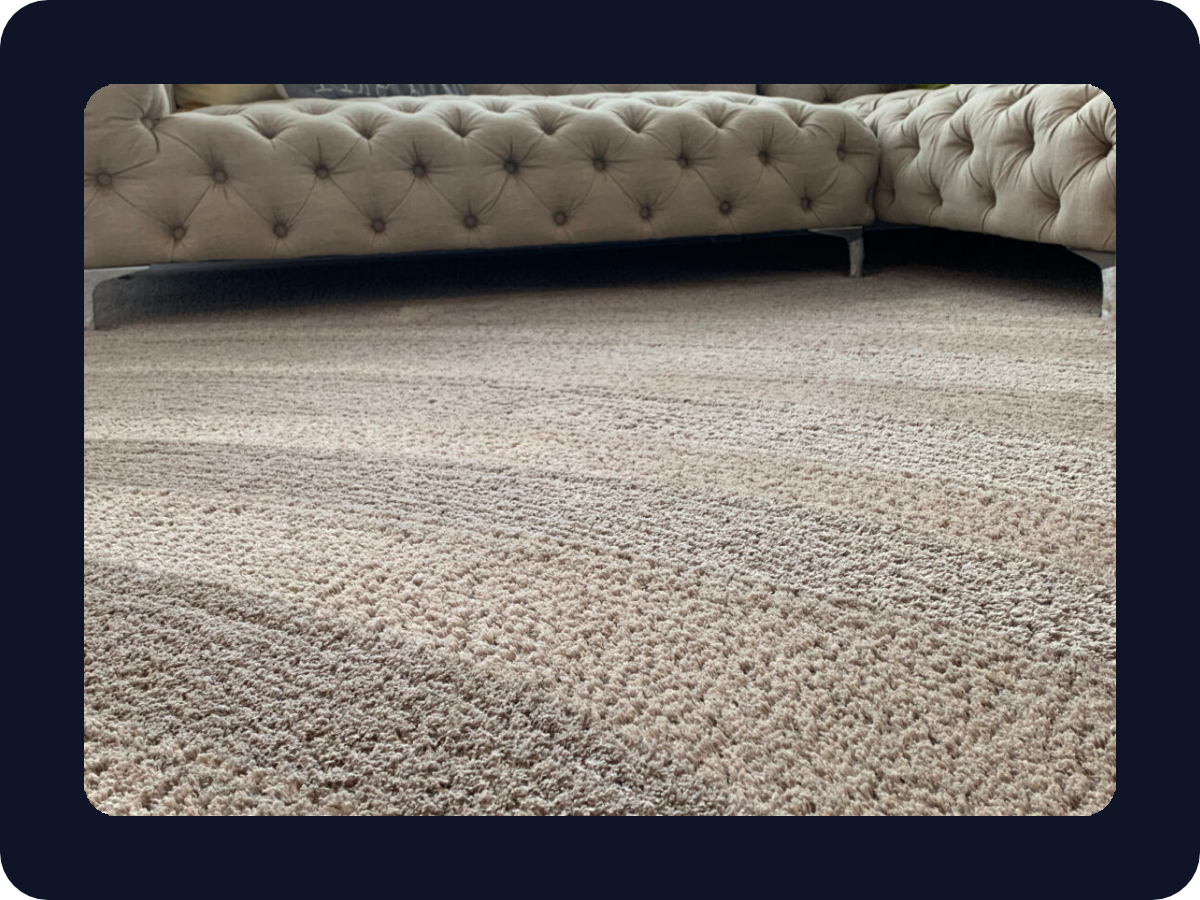
Clear guidance on carpet cleaning drying times, what affects them, and how to plan around room use, ventilation, soil load and cleaning method.
Drying time is one of the most common questions before carpet cleaning.
The honest answer is that there is no single drying time for every carpet. It depends on the method used, the carpet construction, the level of soiling and the conditions in the room.
Carpet drying time depends on moisture level, airflow, temperature, humidity, fibre type, pile density and soil load.
Low-moisture cleaning can often reduce drying time compared with wetter methods, but the right method should be chosen for the carpet and the problem rather than drying speed alone.
The main factors are:
A lightly soiled carpet in a well-ventilated room will usually dry more predictably than a heavily soiled carpet in a cold or closed room.
Low-moisture cleaning is often chosen when drying time and disruption matter.
It may suit:
It is not automatically best for every carpet. Heavy contamination, flooding, deep odour problems or some stain issues may need a different assessment.
After cleaning, drying is usually helped by:
Do not cover a damp carpet with rugs, plastic mats or furniture pads unless the technician has advised it.
Fast drying is useful, but it should not replace proper cleaning judgement.
Using too little cleaning solution may leave soil behind. Using too much moisture can extend drying and increase risk. The right balance depends on what the carpet needs.
Take extra care if the carpet has:
These situations need realistic expectations before cleaning starts.
For general carpet cleaning advice, see Carpet Cleaning.
For low-moisture method guidance, see Dry Carpet Cleaning.
Send us a few photos or tell us what you are dealing with. We will explain whether cleaning, restoration or replacement is the most sensible next step.